Stellantis Targets 2026 as a Defining Year for strategic Progress
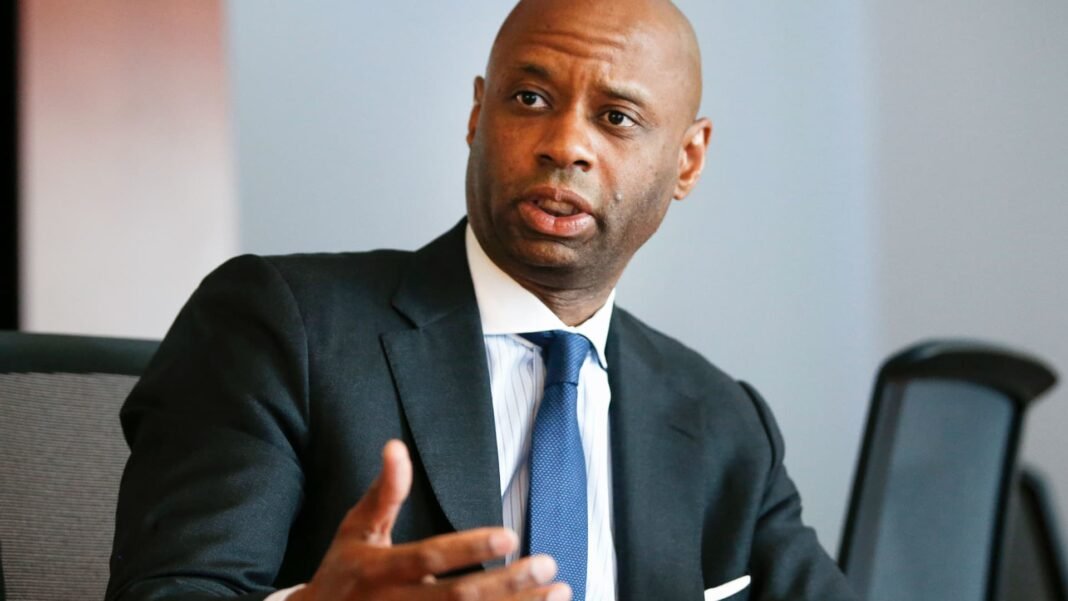
Antonio Filosa, the CEO steering Stellantis, has identified 2026 as a pivotal year dedicated to executing vital strategies aimed at reversing the company’s recent decline in U.S. market share. renowned for iconic brands such as Jeep, Ram, and Dodge, Stellantis faces intense competition that has challenged its ability to maintain dominance.
Leadership Shift Sparks New Strategic Focus
Since taking the helm earlier this year, Filosa has launched an assertive turnaround plan centered on reinvigorating core American brands like Jeep and Ram. This approach also involves reassessing the aggressive all-electric vehicle ambitions set by his predecessor to better align with current market conditions and consumer readiness.
Prioritizing Execution Over Broad Changes
At a recent automotive conference in Detroit, Filosa emphasized that 2026 will be primarily about delivering on existing plans rather than introducing sweeping new strategies. Dressed informally in Jeep apparel during his address, he underscored that this phase marks an initial step toward reshaping Stellantis’ trajectory following its formation five years ago through the merger of Fiat Chrysler and PSA Groupe.
Evaluating Brand Strategy Amid Market Challenges
The CEO withheld specific details but hinted at potential adjustments to Stellantis’ diverse brand portfolio during an upcoming capital markets event early next year. This could involve streamlining or regionalizing offerings-especially Italian marques like Fiat and Alfa Romeo-that have struggled to gain traction within U.S. markets.
Despite speculation from analysts about possible divestments or asset sales, Filosa reaffirmed his dedication to maintaining corporate unity: “We are building a culture.”
Nurturing Corporate Culture Alongside Growth Ambitions
An significant milestone will be a gathering of over 200 executives focused on aligning efforts around capital market goals, enhancing corporate culture, and setting operational priorities for 2026. Key themes include:
- Global Reach with Local adaptation: Leveraging regional strengths within worldwide operations.
- User-Focused Strategies: Centering decisions around customer preferences across all markets.
- Cohesive Teamwork: Promoting collaboration throughout management layers.
Tackling Significant Sales Declines head-On
The urgency behind these initiatives is driven by steep sales drops under prior leadership periods. As its inception in 2021-with combined global sales near 6.5 million vehicles-Stellantis saw volumes fall approximately 12% by late 2024 to around 5.7 million units worldwide.
In particular, U.S. sales-a historically critical region accounting for nearly half of total volume-plummeted nearly 27%, declining from roughly four million vehicles annually down to about three million units during this timeframe.
This downturn pushed Stellantis’ position among U.S automakers down two spots-from fourth place slipping to sixth-and caused market share contraction from roughly 11.6%.
Aiming for Enduring Recovery Through Practical Adjustments
This situation echoes challenges faced by other global automakers who successfully refocused on flagship models tailored specifically toward local tastes-such as Ford’s renewed investment in pickup trucks helped it regain lost ground after similar setbacks earlier this decade.
Filosa’s strategy appears grounded in pragmatic recalibration rather than prematurely chasing electrification without adequate infrastructure or widespread consumer adoption-especially considering current EV penetration rates hover near only 8%.
The Path Forward: Delivering Results with Cultural Unity
The months ahead are critical as Stellantis pursues not only operational enhancements but also cultural transformation designed to unify diverse teams across continents while sharpening competitive advantages domestically.
With clear objectives emphasizing execution excellence supported by strong brand identities deeply rooted within local markets-the company aims for regained momentum throughout North America and beyond amid what many industry observers regard as one of automotive history’s most transformative eras yet.