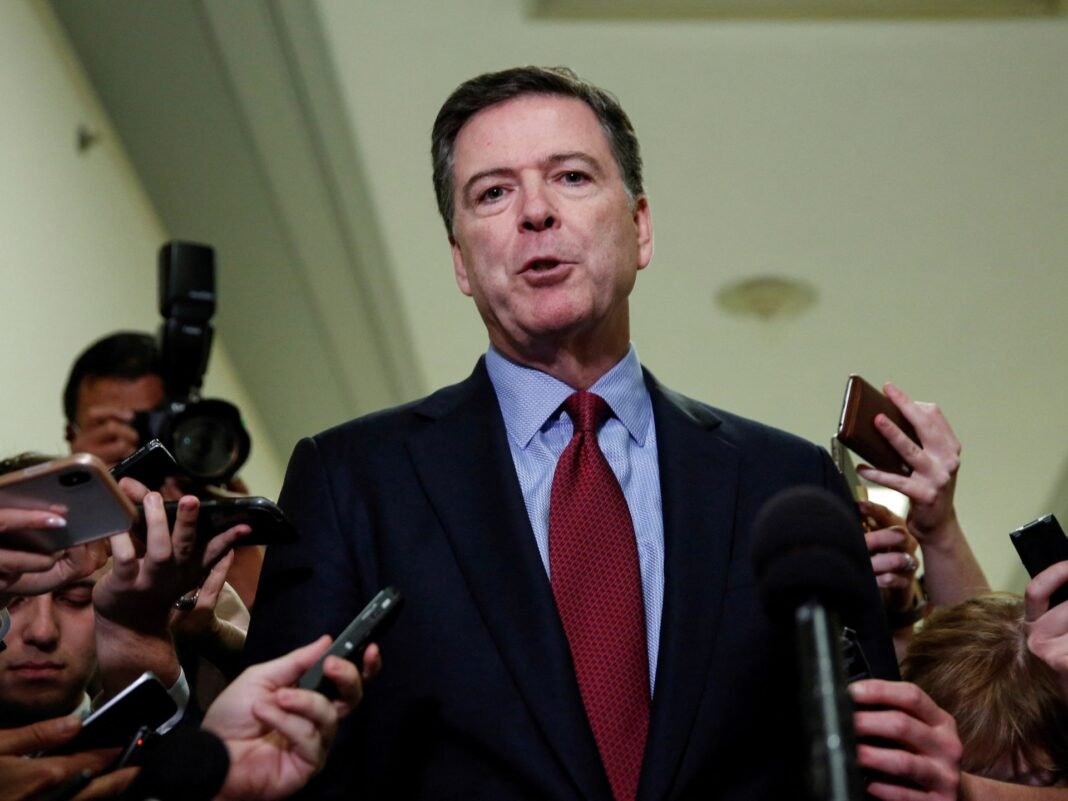
Controversy Surrounding the Indictment of James Comey
Scrutiny Over Grand Jury Procedures
The Department of Justice has disclosed that the grand jury responsible for approving charges against former FBI Director James Comey was never provided wiht the finalized indictment document. This revelation came to light during a federal court session in Alexandria, Virginia, sparking intensified concerns about procedural compliance.
Prosecutor tyler lemons acknowledged that only a small subset of grand jurors-specifically the foreperson and one additional member-were present when the indictment was formally returned. This raised meaningful questions about whether all jurors were properly briefed on evidence before making thier decision.
Magistrate Judge William Fitzpatrick further deepened doubts by ordering that grand jury materials be made available to Comey’s defense team. He cited what he described as “a troubling pattern of serious investigative errors,” including misleading statements from prosecutors and questionable use of search warrants tied to unrelated investigations.
Political Dimensions and Claims of Retaliation
Comey’s defense attorneys contend that his prosecution is part of a politically motivated campaign orchestrated by former President Donald Trump. They point to Trump’s public demands for indictments against his adversaries as evidence supporting this assertion.
The legal team highlighted social media posts from September 2025 were Trump urged Attorney General Pam Bondi not to delay charging both Comey and New York Attorney General Letitia James, branding them “guilty as hell.” Defense counsel Michael Dreeben argued these remarks reveal an explicit intent to use legal proceedings as political weapons rather than instruments of justice.
This viewpoint gains weight considering recent leadership changes within the Eastern District of Virginia’s U.S.attorney office: Acting U.S. attorney Lindsey Halligan replaced Erik Siebert shortly after Trump criticized Siebert as a “woke RINO” for hesitating due to insufficient evidence. Halligan subsequently managed three high-profile cases involving prominent critics of Trump-including Comey, Letitia James, and John Bolton-all denying any wrongdoing.
A History Marked by Tension Between Trump and comey
The fraught relationship between Donald Trump and James Comey dates back several years. In 2017, President Trump dismissed Comey amid ongoing investigations into Russian interference in the 2016 election-a move widely perceived at the time as politically charged.
Trump frequently attacked Comey publicly; he once labeled him on social media with terms such as “slime ball,” “phony,” and even called him “a real nut job.” Conversely, after his dismissal, Comey became an outspoken critic who questioned trump’s moral suitability for office while emphasizing values like honesty and respect-qualities he claimed were lacking in Trump’s leadership style.
Courtroom Developments: Defense Pushes for Case Dismissal
during a recent 90-minute hearing before U.S. District judge Michael Nachmanoff, lawyers representing James Comey sought dismissal of all charges citing prosecutorial missteps alongside alleged political interference affecting judicial fairness.
“This case is unprecedented,” declared Michael Dreeben during arguments.“It exemplifies an egregious abuse of criminal law designed solely to settle political scores.”
The Justice Department responded by asserting there are sufficient grounds for proceeding despite identified procedural flaws so far. prosecutor Tyler Lemons stressed adherence to established protocols but admitted gaps existed regarding whether all grand jurors reviewed final indictment drafts when pressed by Judge Nachmanoff.
An Emerging Pattern Among High-Profile Political Indictments
Comey’s indictment is part of a broader wave targeting notable figures critical toward former President Trump between late September and mid-October 2025-including Letitia James and John Bolton-all denying allegations while framing their prosecutions within narratives accusing government actors of weaponizing justice systems against political opponents.
The Wider Impact on Public Trust in Judicial Systems
- Diminishing Public Confidence: Recent disclosures about irregularities during grand jury proceedings threaten public trust in impartial judicial processes nationwide amid growing skepticism toward institutions handling politically sensitive cases.
- A Demand For Greater Transparency: Legal experts call for enhanced openness around prosecutorial decisions especially when high-profile individuals face charges; increased transparency could help restore credibility lost amidst controversy surrounding politicized prosecutions.
- A Precedent With Far-Reaching Consequences: How courts address these issues may set critically important standards governing interactions between executive influence and independent judiciary functions going forward-especially concerning politically charged trials impacting democratic governance itself.
A Comparable Incident: Mishandling Evidence in California Governor Corruption Probe (2024)
A similar scenario unfolded recently involving prosecutorial errors during corruption investigations into a California governor accused in 2024. Questions arose over whether juries had access to complete data prior to indictments being issued-prompting nationwide calls demanding reforms aimed at protecting fair trial rights regardless of defendants’ status or political affiliations involved in such cases today.
Navigating Complex Intersections Between Law And Politics
The ongoing dispute surrounding James Comey’s indictment underscores challenges faced when criminal justice intersects with partisan conflict at national levels. While courts now publicly examine technicalities like grand jury procedures or prosecutorial conduct exposed through hearings-the core debate remains focused on ensuring fairness prevails without succumbing either way-to unchecked executive influence or unwarranted immunity shielding powerful individuals from accountability alike.
As related judicial developments continue unfolding throughout 2025-26 across multiple jurisdictions handling connected cases-the nation watches closely how American institutions uphold rule-of-law principles amid turbulent political climates shaping modern governance realities today.