India’s Judicial System Under Strain: The Challenge of Delivering Swift Justice
The Human Cost of Delayed Legal Proceedings
Sanjay Goel’s weary expression reflected years of frustration as he sifted through towering stacks of legal documents. Having traveled repeatedly between Vancouver and Mumbai, he has been doggedly seeking justice for his mother’s brutal homicide, only to encounter endless procedural delays and administrative obstacles.
“It’s baffling,” said Goel, 61. “Case files disappear and then reappear after months without clarification.”
Dr. Asha Goel, a Canadian obstetrician visiting family in Mumbai, was tragically murdered in 2003 under circumstances implicating two of her brothers. Despite compelling evidence-including a confession from one accused and DNA matching one individual among billions-the family found that even irrefutable proof struggles against India’s congested courts.
A Judiciary Overwhelmed by Massive Caseloads
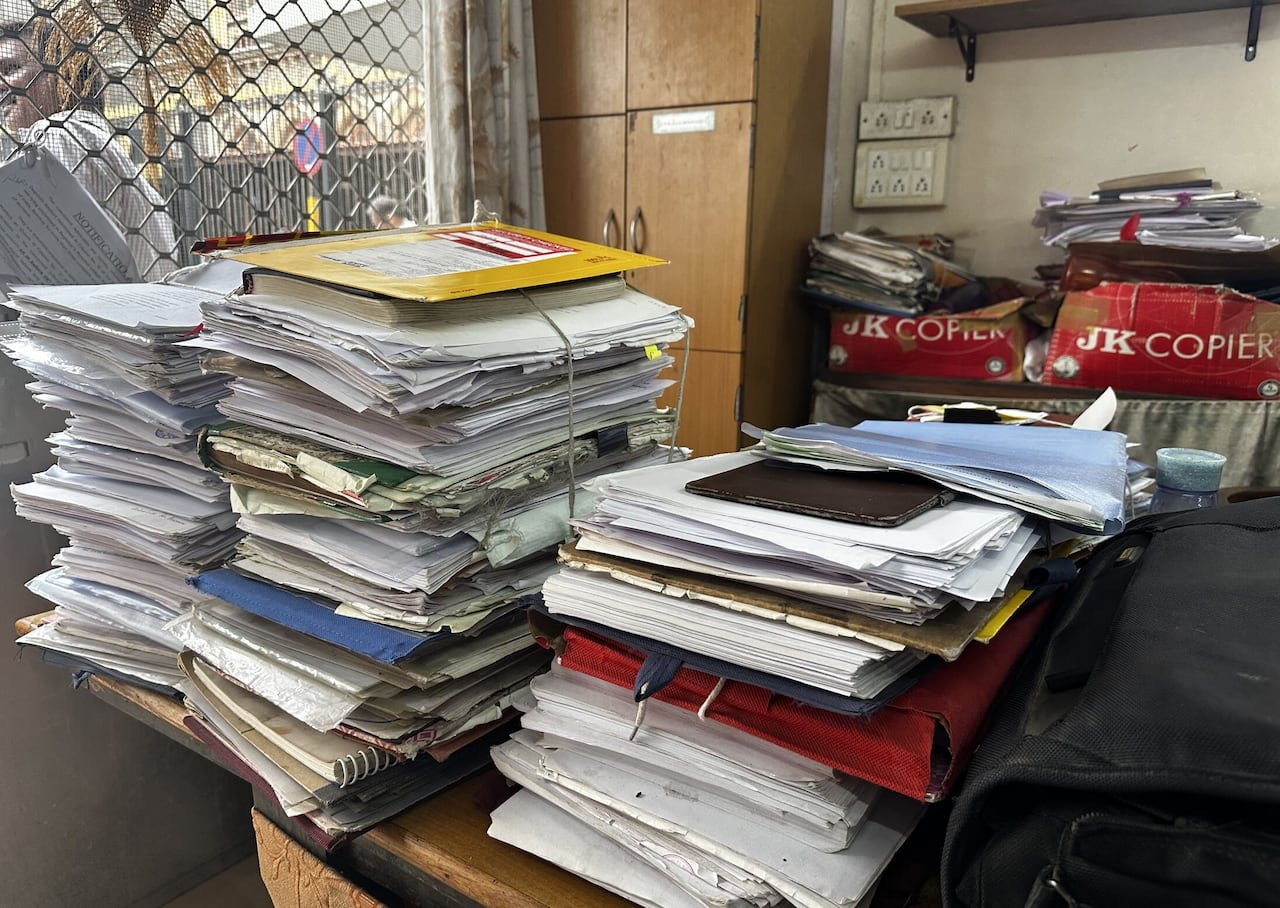
India currently faces an extraordinary backlog exceeding 54 million pending cases across civil and criminal domains-a number that has more than doubled over the past decade. Among these are over 5.5 million cases unresolved for more than ten years.
This overwhelming volume is not merely a reflection of population size but highlights deep-rooted inefficiencies within the judicial framework that have pushed courts into crisis mode.
The Burden on Judges and Litigants Alike
Retired bombay high Court judge Gautam Patel describes the situation as “critical,” with daily filings far outstripping courts’ capacity to issue timely rulings. at current clearance rates, experts warn it could take centuries to resolve all pending matters without significant reforms.
The shortage is stark: India employs roughly 15 judges per million citizens compared to Canada’s approximately 65 per million-resulting in vacancy rates near 40 percent just within high courts alone.
Behind the Numbers: Real Lives Impacted by Judicial Delays
An Activist’s Prolonged Ordeal Without Trial
Mumbai activist Sudhir Dhawale spent over six years incarcerated without trial under charges brought via India’s stringent Unlawful Activities Prevention Act (UAPA), criticized for its broad scope and restrictive bail provisions.
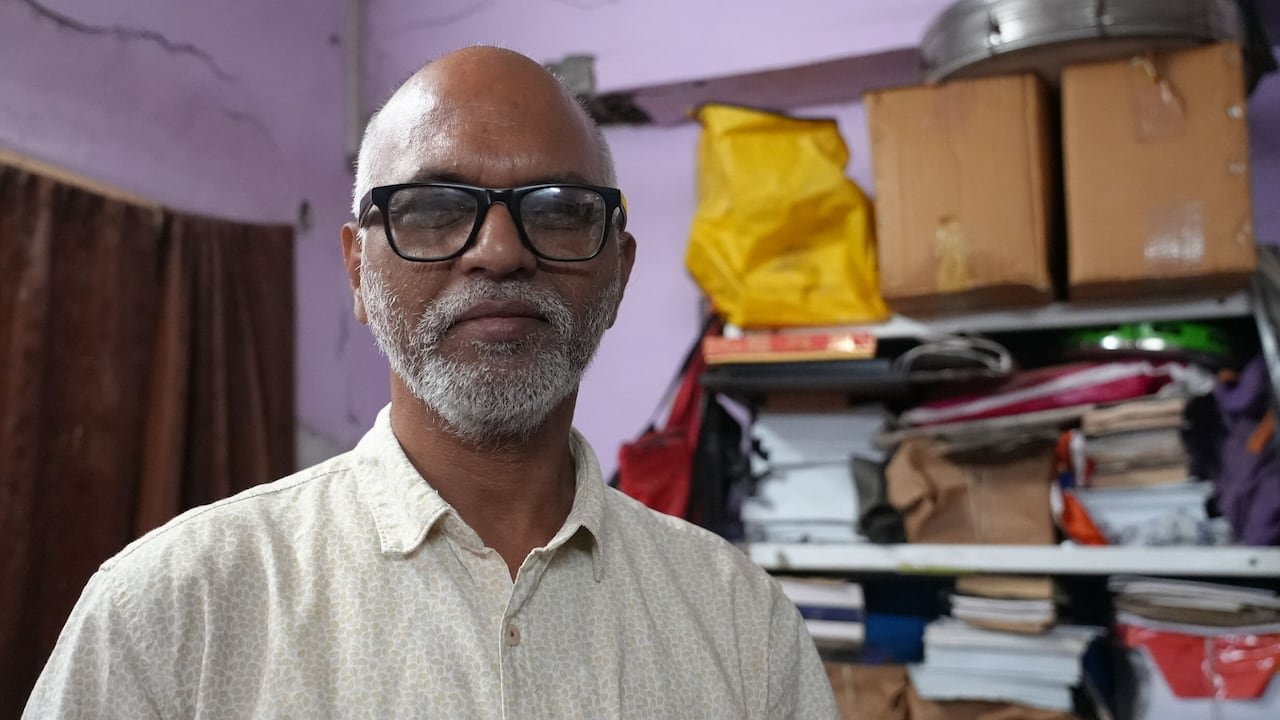
Dhawale described his charge sheet as “25,000 pages long” involving testimony from over 350 witnesses-an example not so much of clarity but prosecutorial confusion-and noted that even after bail was granted citing violation of his right to speedy trial, no hearing date has been scheduled nearly a year later.
A Family Trapped in Endless Litigation
Sanjay Goel continues navigating hundreds of hearings while some witnesses have died or become incapacitated during decades-long proceedings. He compares each court session to reliving identical arguments repeatedly:
“It feels like Groundhog Day-the judge must rule multiple times on the same points.”
The Emotional Toll on Waiting Families
The drawn-out process weighs heavily on Sanjay’s elderly father who lives alone at eighty-eight years old. Despite early promises for justice, every day brings renewed disappointment:
“I tell my dad I’ve done everything possible-but it drains me,” Sanjay shared emotionally.
“this vow is something I intend to honor no matter what.”
Bureaucratic Hurdles and Outdated Practices fuel Backlogs
Courtroom Traditions That Stall Efficiency
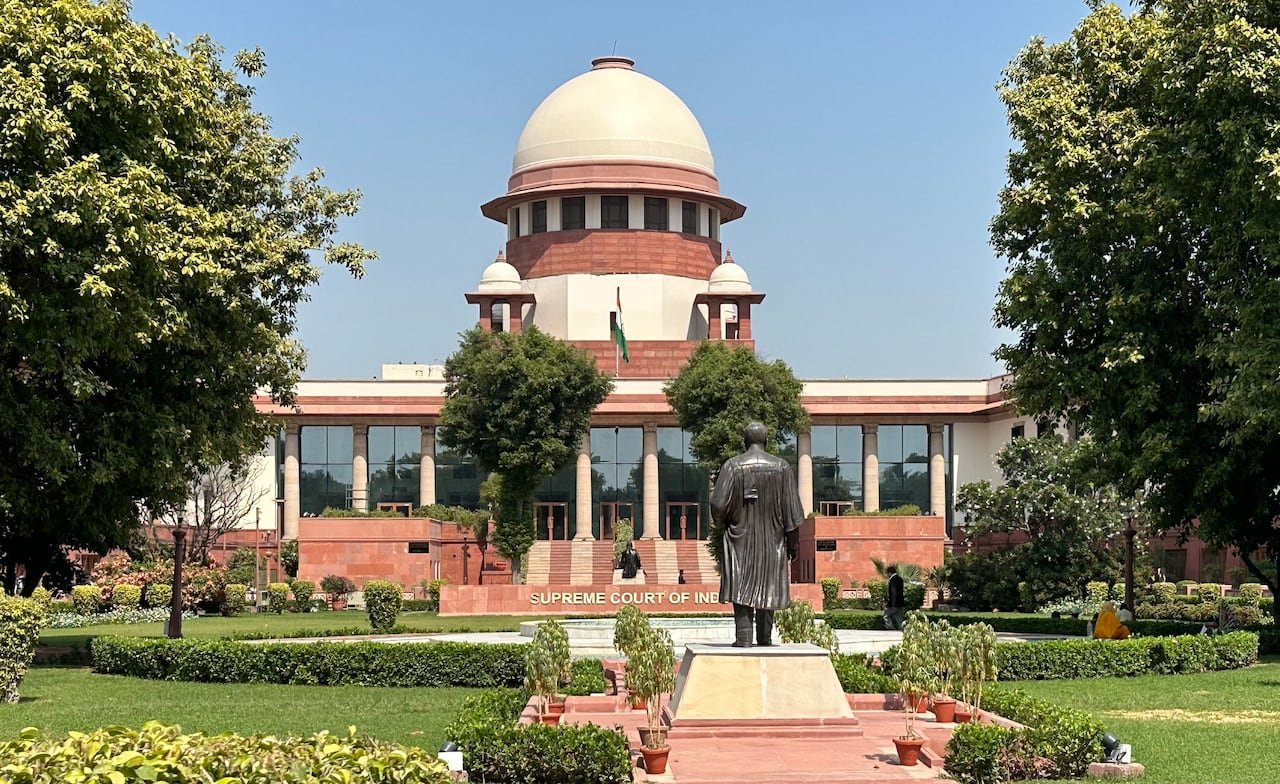
- No Strict Time Limits: Oral arguments often extend indefinitely; however starting early next year India’s Supreme Court will implement strict fifteen-minute limits per side-a pioneering move requiring cooperation from lawyers.
- Cumbersome Paperwork: Reliance on handwritten witness statements necessitates slow transcription by stenographers which further impedes case progress.
- Punitive Laws Increasing Caseloads:Bouncing cheques remains criminalized leading thousands daily into courtrooms for offenses treated less severely elsewhere-as a notable example Canada imposes only bank fees rather than criminal penalties.
;)
Inefficient Case Management Squanders Resources
A former Supreme Court justice highlighted how repetitive rulings waste valuable judicial time-citing one case were seventeen consecutive judges reached identical conclusions without advancing resolution or innovation. This redundancy exemplifies systemic inertia draining productivity nationwide while lost wages due to attending protracted hearings cost nearly half a percent of India’s GDP annually according to self-reliant economic analyses focused on access-to-justice impacts.
Towards Digital Transformation in Courts
- Technological innovations such as Adalat AI are now being introduced across more than two thousand district courts spanning eight states-providing real-time multilingual transcription services that eliminate stenographer bottlenecks.
- Judges like gautam Patel express optimism about these tools exclaiming,”where where you all my career?”