Surging Valuations in Sports Franchises: The NWSL’s Meteoric Rise and Broader Industry Trends
Unprecedented Expansion Fees Signal NWSL’s Growing Market value
The National Women’s Soccer League (NWSL) has recently witnessed a dramatic surge in franchise valuations, exemplified by the Haslam Sports Group’s acquisition of a new Columbus, Ohio team for an eye-popping $205 million. This figure eclipses the $165 million paid for Atlanta’s franchise just weeks prior and dwarfs last year’s Denver expansion fee of $110 million.
To appreciate this growth, consider that only three years ago, launching an NWSL club required an investment as low as $2 million. This exponential increase highlights not only the league’s expanding fan base but also growing investor confidence in women’s professional soccer.
Fan Engagement Metrics Drive Investor Confidence
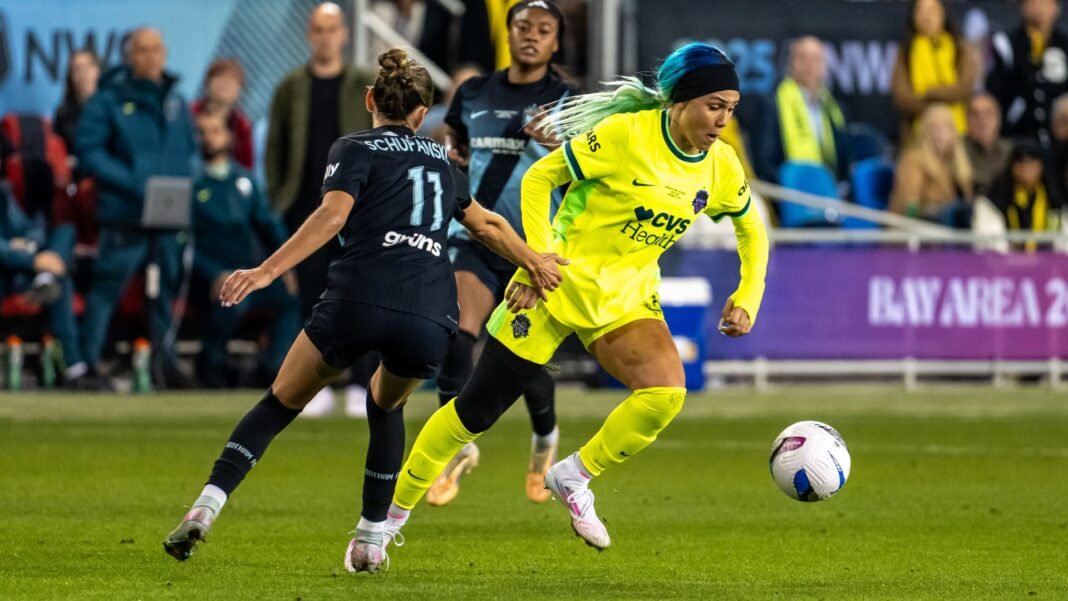
The league’s rising valuation is mirrored by impressive gains in audience engagement. postseason attendance rose by 11% during the most recent campaign, while viewership for the championship match surged to nearly 1.2 million-a 22% jump from the previous year.Particularly striking was a 70% increase among viewers aged 18 to 34, underscoring strong resonance with younger demographics.
Private Equity and Major League Influence Bolster Emerging Leagues
The rapid escalation of sports franchise values extends beyond soccer-specific factors; it reflects broader market dynamics influenced by private equity investments flowing into established leagues like the NFL and NBA. These capital inflows have expanded ownership opportunities and created positive spillover effects benefiting emerging leagues such as the NWSL.
This trend aligns with investors’ pursuit of “trophy assets” that blend cultural significance with solid financial returns-especially amid growing caution toward tech-heavy portfolios dominated by artificial intelligence ventures.
NFL and NBA: Benchmark Giants Driving valuation Standards
NFL franchises now command average valuations near $7.65 billion-a staggering rise from roughly $1 billion just over ten years ago-propelled largely by media rights deals exceeding $100 billion over multiple years.
Similarly, NBA teams have seen their worth multiply nearly fourteenfold over fifteen years to approximately $5.52 billion per franchise today, outperforming major stock indices like the S&P 500 during comparable periods.
The Rising Cost Barrier Alters Ownership Dynamics
This steep recognition has priced out many prospective minority owners interested in premier leagues; former athletes such as Eli Manning have noted that even small stakes can carry price tags approaching nine or ten figures-effectively limiting access to elite sports ownership circles.
Media Rights Deals: The Cornerstone of Franchise Wealth
- The NFL’s groundbreaking eleven-year media contract valued at around $111 billion continues fueling franchise value growth as broadcasters fiercely compete for exclusive rights.
- The NBA secured its own massive eleven-year agreement worth about $77 billion starting recently-ensuring steady revenue streams distributed evenly across all teams regardless of market size or on-court success.
- This revenue sharing model enables franchises like Arizona Cardinals (NFL) or Memphis Grizzlies (NBA) to maintain multi-billion-dollar valuations despite smaller local markets or limited fanbases compared to larger cities.
Cascading Impacts on Other Professional Sports Leagues’ valuations
The dominance of NFL and NBA broadcast contracts raises concerns about shrinking media dollars available for other leagues such as MLB and NHL-which may face valuation pressures if networks increasingly prioritize football and basketball content going forward.
Diversifying Investment Focus Amid Soaring Entry Costs
As top-tier league prices soar beyond reach for many investors eager to break into sports ownership, attention is shifting toward more accessible markets including women’s professional soccer (NWSL), rapidly appreciating cricket franchises-from under $10 million five years ago up to tens of millions today-and emerging sports like professional pickleball whose team values have tripled recently due to surging sponsorships and fan interest nationwide.
“With supply fixed but demand climbing sharply,” notes veteran sports banker Sal Galatioto, “buyers are willing to pay premium prices simply because entry points into elite leagues are no longer attainable.”
A Closer Examination: Major League baseball’s current Landscape
An illustrative case is Major League Baseball’s San Diego Padres nearing sale negotiations at a record-setting price close to $4 billion-even after losing regional broadcasting agreements once critical for local revenues-demonstrating baseball remains valuable yet comparatively affordable relative to NFL/NBA benchmarks where average team values far exceed these figures today.
Sustaining Growth Through Strategic Diversification Amid Profitability Challenges
Despite enthusiasm surrounding expansions within women’s sports-including WNBA and NWSL franchises benefiting from expanding audiences-the path forward remains cautious due primarily to longstanding profitability challenges combined with rising player compensation obligations following recent collective bargaining agreements aimed at enhancing athlete welfare globally while maintaining competitive balance across leagues worldwide.