Surging Oil Prices Amid Heightened Middle East Instability
How the Iran Conflict is Reshaping Global Oil Markets
The intensifying tensions between the united States and Iran have triggered a sharp rise in global oil prices, pushing key benchmarks to multi-year highs. Since hostilities escalated in late February, Brent crude and West Texas Intermediate (WTI) have each climbed over 40%, signaling deep unease among traders about supply disruptions.
Recent Price Trends and Market Sentiment
On Tuesday, July Brent crude futures advanced nearly 1% to $105.21 per barrel, while June WTI contracts rose approximately 1.10%, closing at $99.15 per barrel. Thes upward movements reflect growing skepticism regarding the success of diplomatic efforts aimed at halting conflict.
Diplomatic stalemate Undermines Ceasefire Hopes
The fragile ceasefire talks suffered a setback after Tehran’s counterproposal was rejected by U.S. officials as unacceptable. The President characterized the ceasefire’s viability as critically low-comparing its chances of survival to less than one percent-highlighting the precarious nature of negotiations.
The Strategic role of the Strait of hormuz in Energy Security
The Strait of Hormuz continues to be a pivotal chokepoint for global oil shipments, with warnings from Saudi Aramco’s CEO that prolonged closure beyond mid-June could destabilize markets well into 2027-even if maritime traffic resumes earlier.
“Even if shipping restarts immediately, it will take months for supply-demand equilibrium to recover,” Amin Nasser stated during a recent earnings briefing.
Geopolitical Forces Shaping Energy Stability
Analysts emphasize that renewed blockades or military confrontations around this narrow passage would amplify price swings further. Notably, diplomatic efforts may involve china’s President Xi Jinping attempting to mediate with iran during upcoming discussions with U.S representatives-a move aimed at de-escalating tensions and safeguarding energy flows.
Aerial Attacks Heighten Regional Vulnerabilities
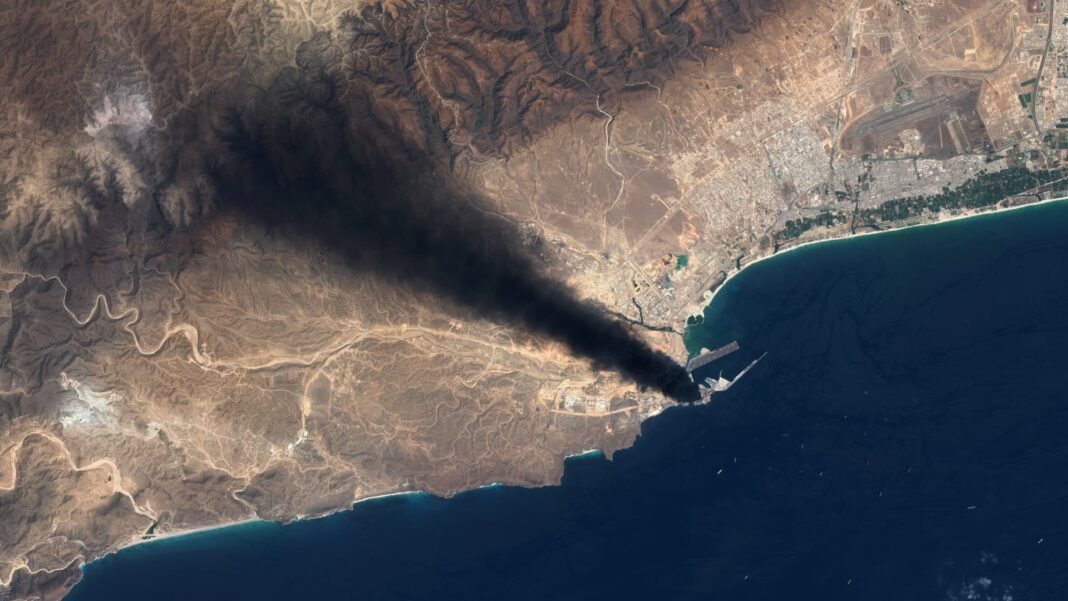
An Iranian drone strike on March 11 targeted an oil storage site near Oman’s Salalah port, sparking a notable blaze visible via satellite days later over the Gulf of Oman-a crucial corridor for Middle Eastern energy exports accounting for nearly 20% of global seaborne oil trade.
Wider Consequences for International Energy Supply Chains
- This attack highlights how military actions directly jeopardize vital infrastructure underpinning worldwide oil distribution networks.
- The disruption contributed to immediate price surges while fueling concerns about sustained market instability amid ongoing geopolitical friction.
- If such assaults persist or escalate, they could trigger broader international responses impacting trade routes and investment strategies within global energy sectors.
Forecasting Market Fluctuations Through 2027 and Beyond
Citi analysts caution that absent meaningful progress toward peace agreements or reopening critical passages like Hormuz soon, elevated volatility or further price increases are likely throughout this year and into the next decade due to persistent supply limitations combined with geopolitical risk premiums embedded in current valuations.
This unfolding crisis underscores how deeply intertwined geopolitics remain with commodity markets-where even subtle developments can cascade through economies worldwide affecting everything from gasoline prices at local pumps to inflation rates across nations heavily reliant on imported energy resources.