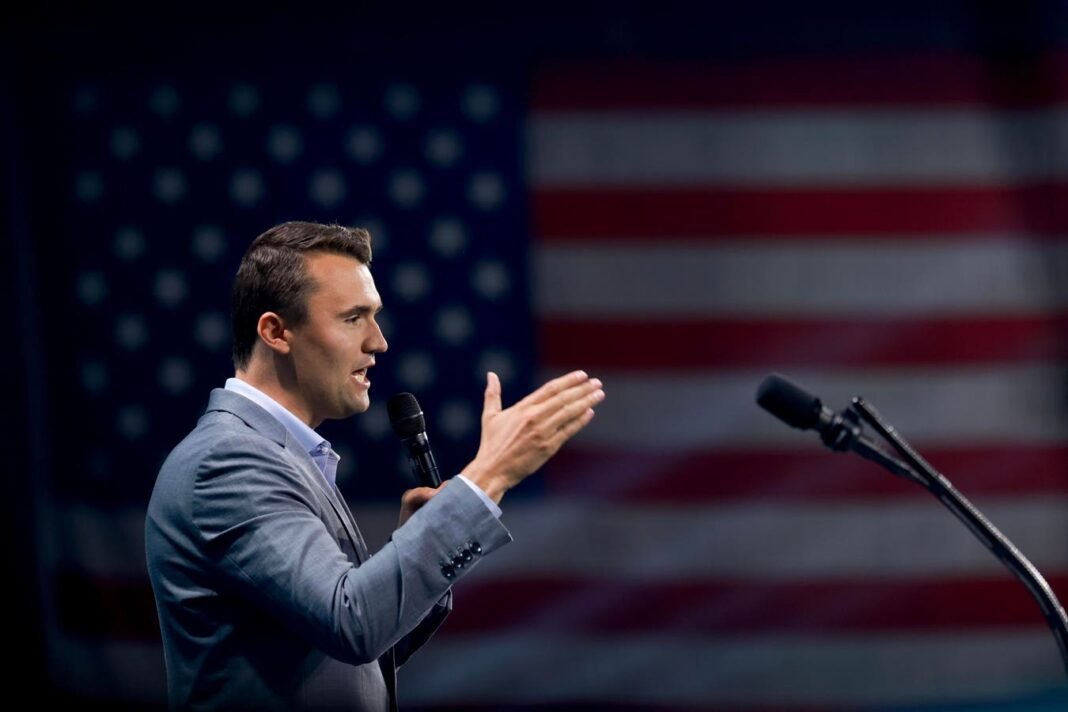
Commemorating Charlie Kirk: A New Milestone in American Currency
In an unprecedented initiative merging political influence, ancient remembrance, and economic symbolism, Republican lawmakers August Pfluger from Texas and Abe Hamadeh of Arizona have introduced a bill to honor the late conservative figure Charlie Kirk on U.S. currency. The legislation proposes minting 400,000 silver dollar coins featuring Kirk’s image,marking a notable addition to the tradition of American commemorative coinage.
Details Behind the Proposed Coin Design
The legislation requests that the U.S. Treasury issue silver dollars inscribed with Charles James Kirk’s full name alongside the year 2026. The coin’s reverse would bear the phrase “Well done, good and faithful servant.” Should this pass into law, Kirk-who passed away unexpectedly while delivering a speech at Utah Valley University-would become the youngest individual ever depicted on official United States currency at just 31 years old.
A Lasting tribute in Metal
Pfluger praises Kirk as a “conservative titan” whose impact has influenced millions across America and merits permanent recognition among historic national figures.Hamadeh echoes this view by describing him as an “American treasure” who dedicated his life to safeguarding America’s future through activism and leadership.
The final coin design awaits approval from both the Treasury Secretary and former President Donald Trump-a close associate of Kirk-before its anticipated release in 2026. This initiative places Kirk alongside iconic figures ranging from founding fathers to civil rights leaders but also sparks debate about blending contemporary political personalities with enduring national symbols.
The Political Significance Embedded in Commemorative Currency
Kirk’s appearance on legal tender is groundbreaking given his recent prominence among Generation Z conservatives via daily broadcasts and targeted GOP youth outreach campaigns. By immortalizing him through commemorative coins, republicans signal a shift toward embedding partisan identities within national iconography more explicitly than before.
A Historical Perspective on Commemorative Coins
Since 1982, the United States Mint has released numerous limited-edition coins honoring influential individuals, landmarks, or events-with proceeds often supporting nonprofit cultural projects such as museum development or monument upkeep. These programs have collectively raised over $600 million for heritage preservation efforts nationwide as of 2024.
- Notable historical figures like Sacagawea and Susan B. Anthony have previously appeared on U.S. coins; though, living persons remain prohibited from depiction due to an 1866 federal statute, underscoring how remarkable posthumous honors are within this context.
- The authorization process requires Congressional approval followed by executive consent prior to production commencement.
- surcharges collected during sales significantly contribute toward funding educational initiatives related to American history and culture.
Cultural Debates Surrounding who Appears on Money
Kirk’s proposed commemoration emerges amid ongoing discussions about representation in U.S currency-from Harriet Tubman’s delayed inclusion on redesigned $20 bills to broader conversations about diversity among those memorialized nationally through money designs reflecting evolving societal values.
“This effort highlights how politicized collective memory has become,” commentators observe; “currency choices reveal much about current social priorities intertwined with political narratives.”
The Balance Between Economic Benefits and Symbolic Power
While commemorative coin sales can generate millions depending upon pricing strategies set by the Mint-and offer Americans tangible connections with their history-in this case symbolic significance appears paramount over financial returns.
Kirk would join ranks traditionally reserved for presidents, military heroes, or cultural pioneers; Pfluger insists that enshrining him will cement his extraordinary legacy alongside foundational architects of American democracy.
Divergent Opinions: Honoring Legacy or Deepening Partisan Divides?
Kirk supporters emphasize recognizing sacrifices made for ideological causes they deem essential for America’s continued prosperity.
Conversely critics caution against elevating recently deceased political activists onto national emblems too soon after their passing-warning it risks intensifying partisan polarization rather than fostering unity around shared heritage.
This debate illustrates how politics now shape not only textbooks but everyday objects like circulating currency that reflect collective memory today.