Federal Proposal Seeks to Limit Automated License Plate Reader Applications
Legislative Initiative Aims to Confine ALPR Use to Toll Collection Nationwide
A pivotal amendment is poised for introduction in a House committee session that would restrict the deployment of automated license plate readers (ALPR) solely for tolling purposes by any entity receiving federal highway funding. If enacted, this legislation coudl effectively dismantle the majority of state adn local ALPR programs throughout the United States.
Understanding the Amendment’s Reach and Consequences
The amendment explicitly states: “Recipients of assistance under Title 23, United States Code, shall not employ automated license plate readers for any function other than toll collection.” As Title 23 supports roughly 25% of all public roadways nationwide-including key state highways, county roads, and urban streets-this limitation would compel nearly every federally funded transportation agency or municipality to either deactivate their current ALPR systems or repurpose them exclusively for toll operations.
Bipartisan Backing Fueled by Privacy Concerns
This legislative effort enjoys support from representatives across party lines-a conservative republican from Pennsylvania and a progressive democrat from Illinois-who share apprehensions about expanding surveillance networks embedded within everyday transportation infrastructure. Their collaboration underscores growing unease over privacy erosion as ALPR technology becomes more widespread.
Current Deployment and Functionality of ALPR Technology
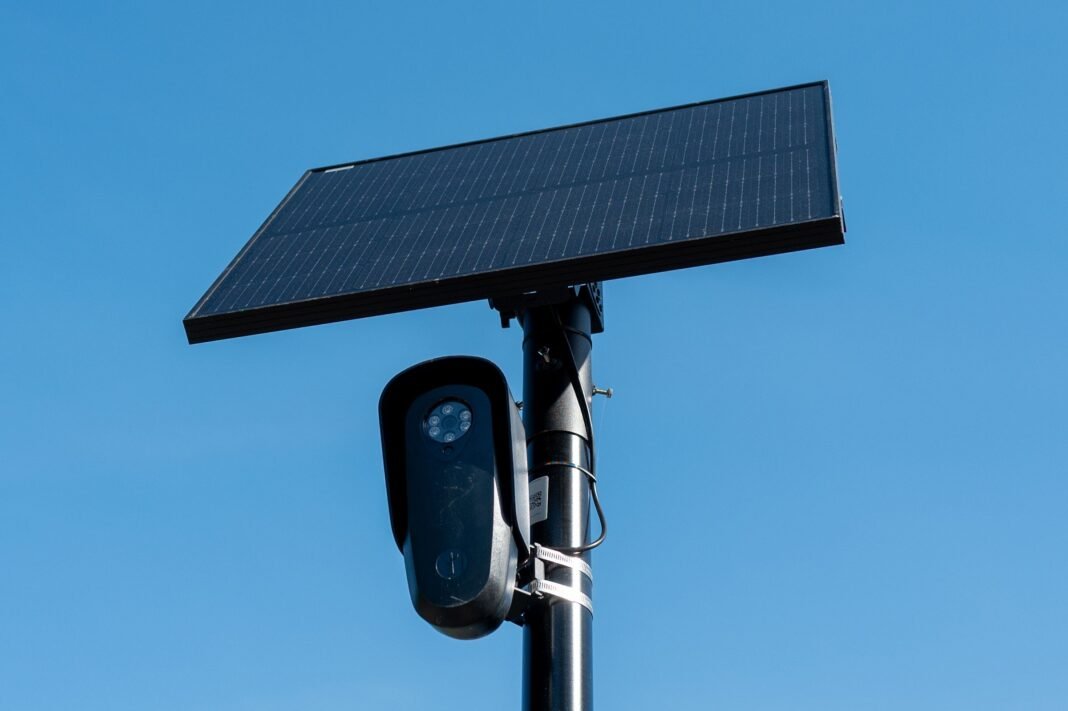
Automated license plate readers are typically mounted on streetlights, overpasses, traffic signals, and patrol vehicles. these devices capture images of passing vehicles’ license plates along with timestamps and location coordinates. The data collected feeds into expansive databases accessible by multiple law enforcement agencies spanning various jurisdictions.
A Controversial Data sharing Incident in Illinois
An audit conducted in Illinois revealed that Flock Group-a major Atlanta-based operator managing one of the nation’s largest ALPR networks-violated state laws by improperly granting U.S. Customs and Border Protection access to Illinois’ license plate data.This breach prompted immediate cessation orders on federal access within the state.
Flock Group’s Reaction Amid Heightened National attention
The company admitted inaccuracies in earlier public denials regarding federal pilot programs but pledged to suspend such initiatives nationwide following these disclosures. Despite privacy-driven pushback leading cities like Austin, Texas-to terminate contracts with Flock Safety last year amid community protests-some law enforcement officials continue advocating for ALPRs as indispensable crime-fighting instruments after recent accomplished suspect identifications linked to violent offenses nearby.
Navigating Public Safety Priorities Versus Privacy Protections
Austin city officials ended their partnership with Flock cameras despite resistance from local police departments emphasizing these tools’ critical role in combating escalating crime rates within communities.
“We encourage legislators to thoroughly evaluate this amendment’s potential impact before removing essential resources relied upon by first responders,” stated a representative speaking on behalf of Flock Group.
Civil Rights Advocates Highlight Risks Associated With Unchecked Surveillance Expansion
- The Brennan Center for Justice emphasizes dangers linked with fusing these datasets inside fusion centers where multiple intelligence streams are analyzed collectively.
- The Electronic Frontier Foundation reports numerous cases where police misuse includes targeting religious institutions such as synagogues or disproportionately deploying cameras in economically marginalized neighborhoods-raising alarms about systemic biases embedded within surveillance practices.
The Road Ahead: Legislative Trends Shaping Automated License Plate Reader Usage
This proposed amendment reflects mounting legislative efforts aimed at reining in expansive government surveillance while balancing public safety imperatives amid rapidly advancing roadside technologies across America today. As debates continue surrounding privacy safeguards versus law enforcement benefits tied directly to federally funded infrastructure projects governed under Title 23 regulations-the final outcome will significantly influence how millions experience security measures alongside civil liberties throughout this decade’s evolving transportation habitat.