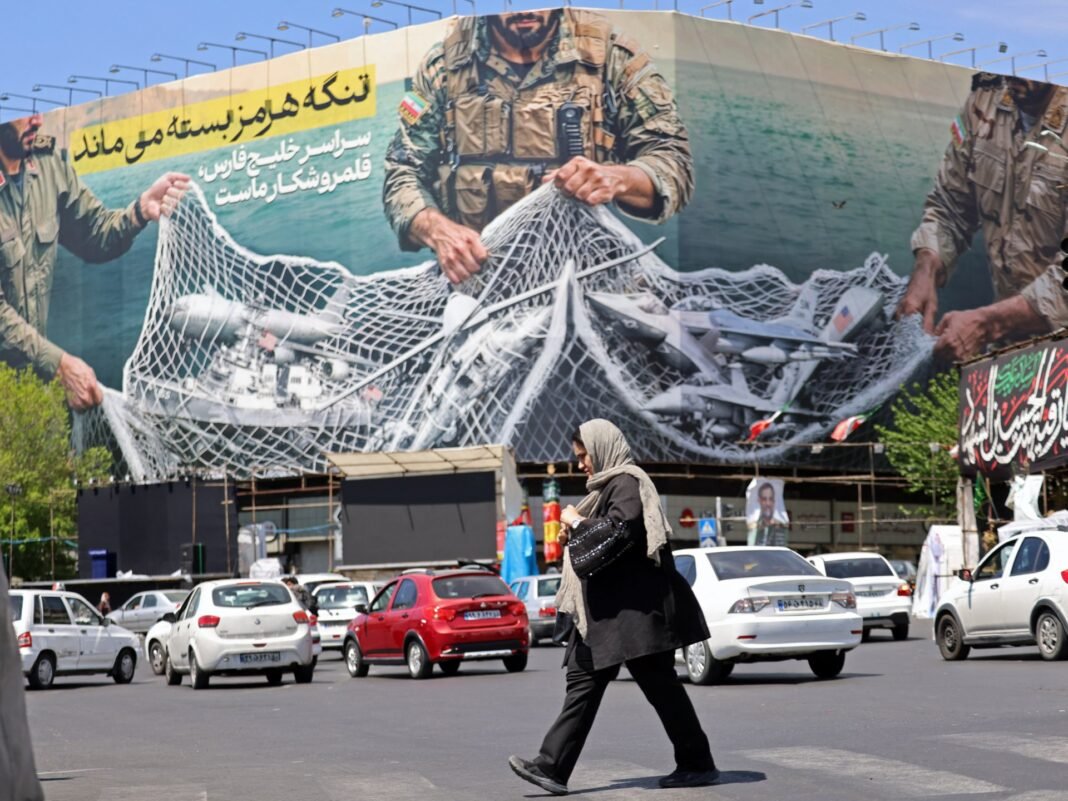
Iran’s Preparedness Amidst Fragile US Talks and Escalating Regional Strains
Iran remains vigilant and fully prepared to respond swiftly to any abrupt escalation from the United States as diplomatic negotiations continue without a conclusive outcome. Although some progress has been made in dialog, significant challenges endure, raising concerns about potential conflict once the current ceasefire lapses.
Overview of Ongoing US-Iran Diplomatic Engagements
The chief Iranian negotiator and parliament speaker, Mohammad Bagher Ghalibaf, acknowledged advancements in talks with Washington but stressed that major disagreements persist. In a public address, he remarked that despite positive steps forward, “considerable gaps and core issues still prevent us from finalizing an agreement.”
The discussions remain intricate by contentious subjects such as Iran’s nuclear program rights and control over the Strait of Hormuz-a critical maritime passage responsible for nearly 21% of global oil shipments annually according to recent energy trade statistics.
Debate Over Iran’s Nuclear Program Rights
President Masoud Pezeshkian sharply criticized former US President Donald Trump for denying Iran its nuclear rights without transparent justification. He challenged the legitimacy of these restrictions by asking: “Who holds the power to revoke an entire nation’s lawful entitlements?” This position underscores Tehran’s insistence on continuing its nuclear activities under what it describes as peaceful purposes.
The Strait of Hormuz: A Key Strategic Factor in diplomatic Tensions
The Islamic Revolutionary Guard Corps (IRGC) recently reimposed restrictions on vessel transit through the Strait of Hormuz shortly after temporarily lifting them. This action was reportedly a response to ongoing American naval blockades targeting Iranian ports-a tactic Ghalibaf condemned as both “reckless” and “short-sighted.” He warned that if Iranian shipping is impeded, tehran would retaliate by limiting access through this vital waterway.
“We will not allow free passage for others if our own ships are obstructed,” stated Ghalibaf.
This strategic posture highlights how Iran leverages control over one-fifth of global oil transit routes as a bargaining tool amid stalled diplomatic efforts.
Uncertain Future for peace Negotiations
Mediators had anticipated a follow-up round after an inconclusive meeting held recently in Islamabad; though, Iran’s deputy foreign minister indicated no new session will be scheduled until both sides agree on fundamental terms-a process complicated by Washington’s perceived maximalist stance.
- “If no deal is reached soon,” former President Trump warned,“military action may resume.”
- This rhetoric reflects heightened tensions despite ongoing attempts at diplomacy aimed at reducing hostilities.
A Complex Mix: Negotiation Efforts Coupled with Pressure Tactics
Analysts note that while diplomatic channels remain open,simultaneous pressure measures-including expanded sanctions and increased US military presence near Iranian waters-cast doubt on America’s genuine commitment to peace. Abbas Aslani from Tehran questions:
“If Washington truly desires an agreement,” he asks,“why escalate naval blockades or intensify sanctions during negotiations?”
No Confirmed Extension for Ceasefire Agreement Yet
No official confirmation has emerged regarding prolonging the existing ceasefire between both nations. Experts suggest this ambiguity adds urgency but also unpredictability to future interactions-potentially heightening risks around regional stability at one of the world’s most sensitive energy chokepoints.