Seeking Justice in Syria’s Unsteady Transition
The Human Cost of Missing Persons in Syria
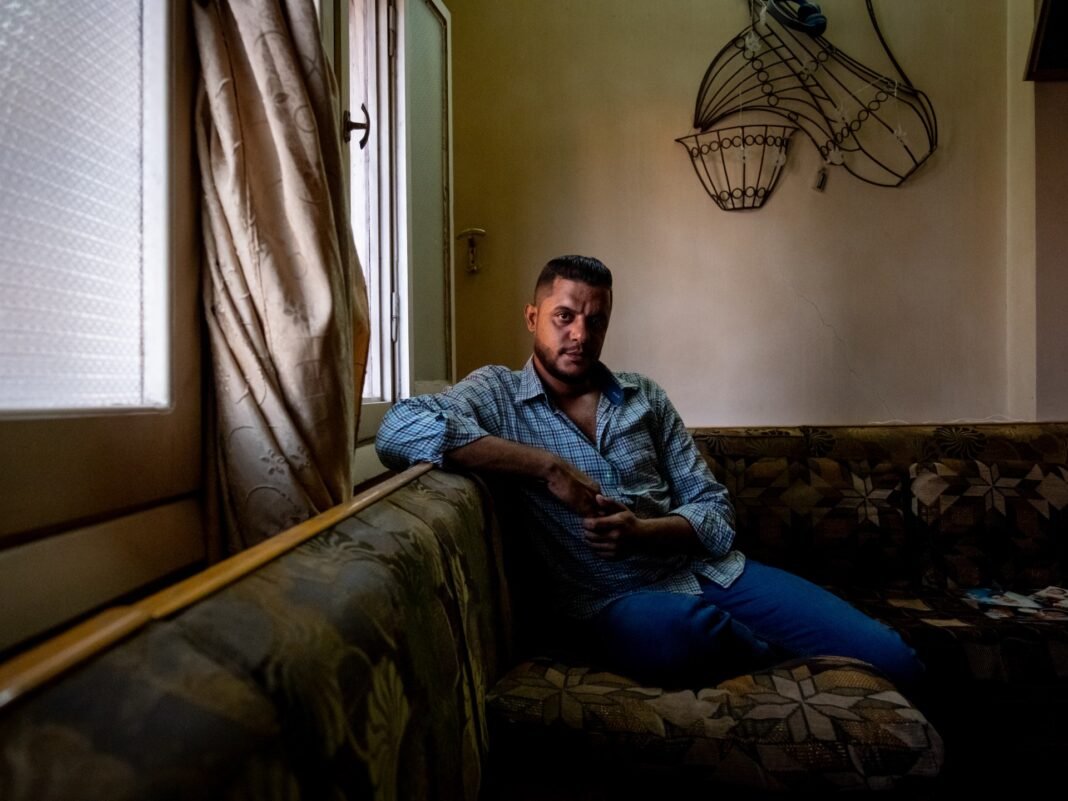
Surrounded by images of ten family members who disappeared years ago, Ziad Mahmoud al-Amayiri remains haunted by their unknown fates.
“I stand at a crossroads: either the authorities deliver justice, or I must seek it on my own,” he asserts with unwavering resolve.
His demand for accountability is focused on one man: Fadi Saqr.
Fadi Saqr and the Shadow of Impunity
Fadi Saqr formerly led the National Defense Forces (NDF), a militia loyal to Bashar al-Assad’s government. The NDF has been linked to severe human rights violations, including the notorious 2013 Tadamon massacre where dozens were reportedly executed and buried in mass graves, as revealed through leaked videos and eyewitness testimonies.
Saqr denies involvement in these atrocities, claiming he was not commanding the NDF during that period. Though, al-Amayiri insists that Saqr must be held responsible for his relatives’ disappearance after they were detained by NDF fighters in 2013.
Astonishingly, Saqr remains at large. Hassan Soufan from Syria’s Committee for Civil Peace explains that early during syria’s liberation phase, new authorities granted him “safe passage” to ease sectarian tensions due to his ties with Alawite groups.

Soufan acknowledges this decision helped prevent further bloodshed but left many Syrians-especially those from Tadamon-demanding justice for figures like Saqr. “How can justice prevail when those responsible roam free?” questions al-Amayiri bitterly. “I fear they will never face trial.”
The precarious Peace Following Assad’s Downfall
A year after Bashar al-Assad was ousted in December 2024, Syria struggles with fragile stability amid growing frustration over stalled justice efforts.
The interim president Ahmed al-Sharaa vowed to prioritize national reconciliation alongside prosecuting perpetrators through genuine transitional justice mechanisms. Yet sectarian violence has escalated; between December 2024 and November 2025 alone, monitoring organizations such as the syrian Observatory for Human Rights (SOHR) have recorded over 1,300 deaths linked to revenge attacks.

This figure excludes casualties from major violent incidents such as march’s coastal massacres-which claimed approximately 1,400 lives mostly civilians according to UN estimates,-and July clashes between druze and Bedouin communities near Suwayda resulting in hundreds dead predominantly among Druze populations.
Navigating Between justice and Stability
“if transitional justice falters or fails,” warns Abdel Basit Abdel Latif head of Syria’s National Commission for Transitional Justice,
“people may take vengeance into their own hands-a hazardous path we must avoid.”
Ibrahim al-Assil from an international policy institute highlights this delicate balance: “The challenge is maintaining immediate peace while advancing long-term judicial accountability.” He stresses both objectives need simultaneous progress despite inherent obstacles.
pioneering Transitional Justice Efforts Amidst Challenges
Syria has launched two principal commissions aimed at addressing past abuses:
- The National commission on Transitional Justice: chaired by Abdel Latif focusing broadly on violations under Assad’s regime;
- The Commission on Missing Persons: Dedicated exclusively to investigating nearly 300,000 Syrians presumed forcibly disappeared into detention centers or mass graves nationwide;

This staggering number far surpasses earlier estimates which often cited around 100,000 missing individuals. UN human rights officials continue receiving alarming reports about ongoing abductions even after regime collapse.
Both commissions collaborate internationally seeking best practices but progress remains slow due partly to absence of legal frameworks tailored specifically toward transitional justice within Syria.
Activists like Wafa Ali Mustafa emphasize families’ urgent need not only for exhumations but also consistent interaction regarding investigations into their loved ones’ whereabouts.
“They don’t ask us daily protests demanding grave digs; they simply want openness,” she says softly.

Mohammad Reda Jalkhi highlights enormous resource requirements including infrastructure upgrades,
data management systems,
forensic labs,
and trained personnel-all vital yet time-intensive components before meaningful breakthroughs can occur.
“This work demands patience and meticulous effort,” he remarks solemnly.
Lack Of Transparency Hampers Arrests And Probes
- The government has made multiple arrests connected directly or indirectly with former regime abuses;
- Complex social media clips show confessions extracted from prison guards or suspects appearing before judges;
- Civil society voices remain skeptical about opaque procedures surrounding detainees’ locations or treatment;
- No clear facts exists concerning arrests related specifically to sectarian violence incidents such as Suwayda killings earlier this year which claimed hundreds more lives;
“Mass arrests without transparent strategy risk eroding public trust,” warns Danny al-Baaj from Syrian advocacy groups.
“We urgently need clear plans outlining how investigations proceed.”
Pursuing Accountability Through Evidence Collection And Trials
A widespread hope among syrians is witnessing public trials addressing war crimes committed under Assad-a critical step toward national healing and deterring future atrocities.

An instrumental figure behind evidence preservation is Hasan Al Hariri who coordinated teams extracting upwards of over 1.3 million pieces documenting crimes as war onset in 2011.
- Tactics included retrieving files covertly from intelligence offices abandoned amid fighting zones;
- Clever concealment methods involved hiding documents beneath vehicle floors camouflaged beneath household furniture during checkpoint crossings;

This proactive approach contrasts sharply against other conflicts where evidence gathering began years later when much had already vanished-such as Bosnia-giving Syrian investigators an advantage if judicial reforms keep pace.
However challenges remain immense:
The existing judiciary requires thorough overhaul encompassing legal codes,
administrative bodies,
trained judges familiarized with international law standards,
and sufficient funding.
Danny al-Baaj emphasizes widespread public eagerness:
“Syrians are united behind calls demanding visible trials showcasing full transparency throughout transitional justice processes.”
Beyond Retribution: The Quest For Closure And Healing
Ziad Mahmoud Al Amayiri represents many families yearning not only for punishment but also fundamental closure:
“It would mean everything just knowing where our loved ones rest,” he shares quietly.
“to finally visit their graves would bring some solace amidst decades-long uncertainty.”