Why Prediction Betting Platforms Exclude teh Kentucky Derby
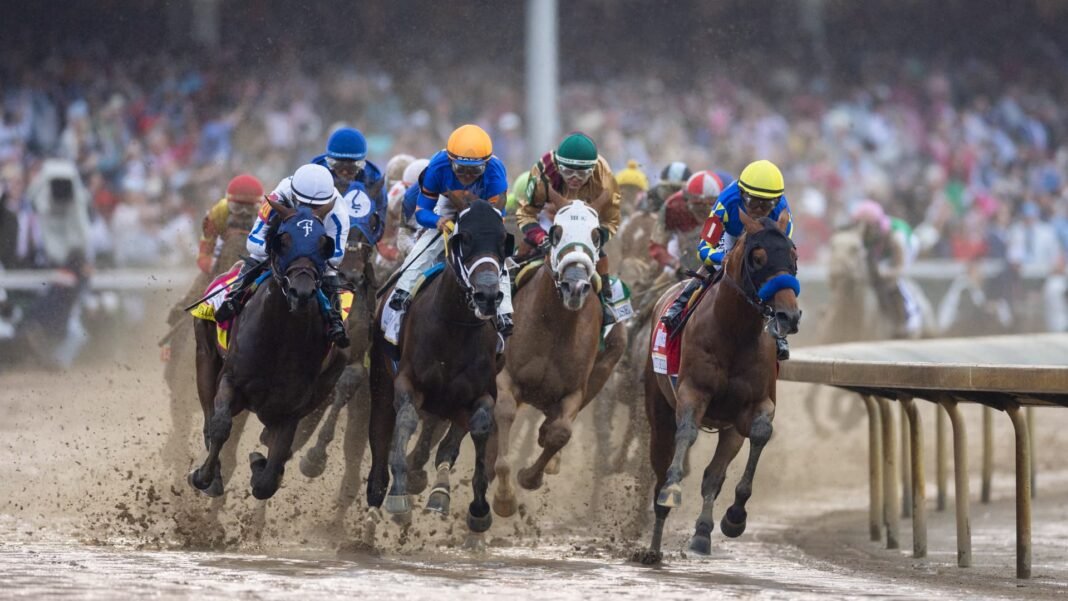
The Kentucky Derby stands as one of America’s most celebrated horse racing spectacles, drawing massive attention every year in Louisville. Yet, if you turn to prediction betting platforms such as Kalshi or Polymarket, you won’t find any markets dedicated to this legendary race.
Understanding the Absence of Horse Racing in Prediction Markets
Prediction markets have expanded rapidly, offering contracts on everything from political elections adn entertainment awards to major sports events. However, horse racing remains a conspicuous omission despite its longstanding popularity. No prediction market currently features betting options tied to the Kentucky Derby or similar races.
The Influence of Churchill Downs and Industry stakeholders
Churchill Downs Incorporated, which owns both the iconic racetrack and the Kentucky Derby event itself, plays a pivotal role in this exclusion. Bill Carstanjen, CEO of Churchill Downs Inc., has openly stated that any platform wishing to offer wagers on horse races must secure direct agreements with racetrack owners-a step these platforms have yet to take or are unwilling to pursue.
“You need direct negotiations with us-the track owners-to establish such partnerships,” Carstanjen remarked. “At present, that’s not an avenue we’re interested in exploring.”
The Complex Regulatory Framework Governing Horse Race Betting
Horse racing operates under a unique legal structure distinct from other sports wagering forms. As America’s earliest legalized sport betting activity-predating modern gambling laws-it benefits from special regulatory protections designed specifically for this industry.
The Interstate Horseracing Act of 1978 requires explicit consent from three parties before off-track wagering can be authorized: the host racetrack; representatives known collectively as “horsemen,” including trainers and owners; and the state’s official racing commission overseeing each event’s jurisdiction.
This multi-layered approval process creates notable barriers for many emerging prediction market operators who lack these formal agreements with all involved stakeholders.
Financial motivations Behind Resistance to Prediction Markets
Carstanjen highlighted economic concerns underpinning reluctance toward integrating prediction markets into horseracing:
“Our industry depends heavily on customary wagering models that fund prize purses,” he explained.”Introducing prediction markets could disrupt this financial ecosystem essential for sustaining our sport.”
The Legal Controversy Surrounding licensing requirements
A contentious debate persists over whether platforms like Kalshi and Polymarket must obtain state-issued gambling licenses when offering bets linked to sporting outcomes. States argue these activities constitute gambling requiring regulation at their level; simultaneously occurring, platforms maintain they function as federally regulated investment exchanges under oversight by agencies such as the Commodity Futures Trading Commission (CFTC).
This clash has sparked numerous lawsuits initiated by CFTC against states attempting restrictive measures targeting prediction market operators.
Kentucky’s Stringent Regulatory Position on Predictive Betting
Kentucky lawmakers have adopted especially tough stances regarding predictive wagers within their jurisdiction. proposed legislation seeks not only to prohibit licensed entities from providing predictive betting services but also aims at imposing a hefty 17.5% tax on fees generated by such platforms operating inside state borders.
Mainstream Wagering Remains Strong Despite Emerging Market Challenges
- Churchill Downs reports record-high betting volumes during recent pre-Derby periods;
- Larger sportsbooks like FanDuel reveal derby-related wagers surpass initial projections;
- This trend underscores bettors’ preference for established channels over newer digital formats when it comes to marquee horseracing events;
- A recent example includes last year’s derby attracting $200 million+ in total bets through traditional outlets alone-demonstrating enduring enthusiasm despite digital alternatives available elsewhere;
Evolving Technologies Amidst Enduring Traditions in Horseracing Wagering
The persistent exclusion of horseracing from popular online prediction marketplaces reflects how entrenched regulatory frameworks combined with economic interests continue shaping which types of bets gain widespread accessibility via new technologies today-preserving time-honored models even amid rapid innovation across global gaming industries.