senate Democrats Unveil Strategy to Resolve government Shutdown adn Preserve ACA Subsidies
Effort to Restore Federal Operations While Maintaining Health Care Support
Amid the ongoing government shutdown that began on October 1, Senate Democrats have put forward a new plan aimed at ending the stalemate by reopening federal agencies and securing continued Affordable Care Act (ACA) premium subsidies for an additional year. This proposal seeks a middle ground with republican lawmakers to address both funding and health care affordability concerns.
The strategy involves Democrats backing a short-term spending bill preferred by Republicans-commonly known as a “clean” funding measure without extra policy riders-in exchange for Republicans agreeing separately to extend ACA premium tax credits for twelve months. Additionally,the plan calls for forming a bipartisan committee dedicated to developing long-term solutions that tackle rising health care costs.
Political Obstacles: GOP Opposition centers on ACA Funding
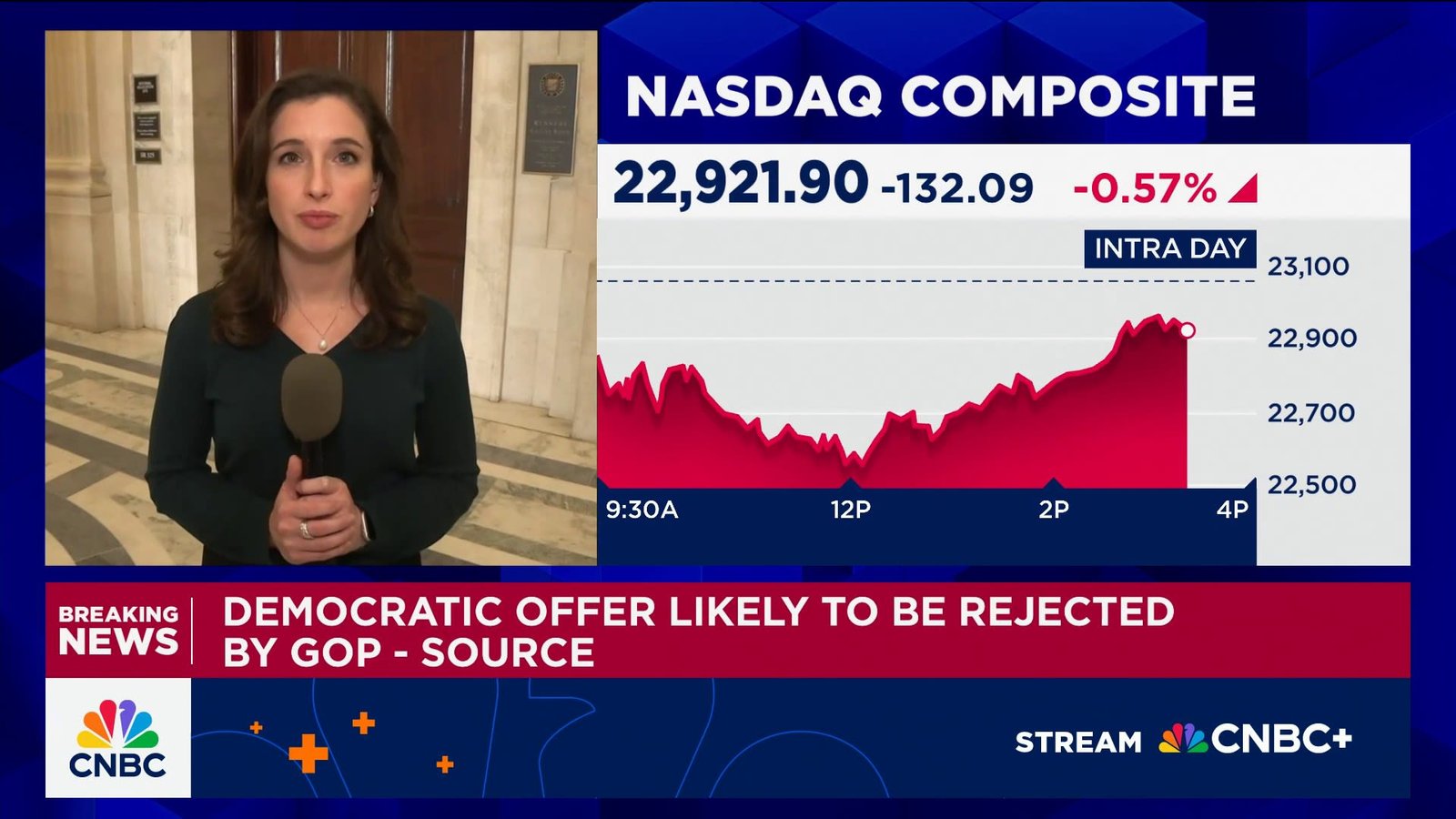
Republican leaders quickly dismissed the offer, objecting primarily as it hinges on continuing increased taxpayer-funded subsidies under Obamacare. Senator Lindsey Graham of South Carolina condemned the proposal as “political hostage-taking,” arguing it forces taxpayers to sustain what he views as flawed insurance payment structures.
“Reopening government should not come at the expense of inflated insurance company payments,” Graham asserted firmly. Other GOP figures echoed this stance, labeling the plan unrealistic given thier priorities around fiscal restraint and opposition to expanding federal health care spending.
The senate’s Narrow Margin Complicates Agreement Prospects
The current Senate composition-with 53 Republicans and 47 members aligned with Democrats (including two independents caucusing with them)-means any funding legislation requires bipartisan support or major concessions from one side. so far, Democratic insistence on including ACA subsidy extensions has prevented clean Republican-backed bills from reaching the 60-vote threshold needed in this chamber.
the High Stakes: Millions Face Steep Premium Hikes Without Action
More than 20 million Americans depend on enhanced ACA tax credits introduced during recent years’ pandemic relief efforts for affordable coverage through marketplace plans. If Congress fails to act before these subsidies expire at year-end, insurers are expected to raise premiums significantly starting in 2026-possibly increasing average costs by up to 25% according to recent industry estimates.
This looming price surge threatens many families already grappling with inflation-driven financial pressures nationwide, intensifying concerns about access and affordability during open enrollment season.
A Call for Collaborative Solutions Amid Partisan Tensions
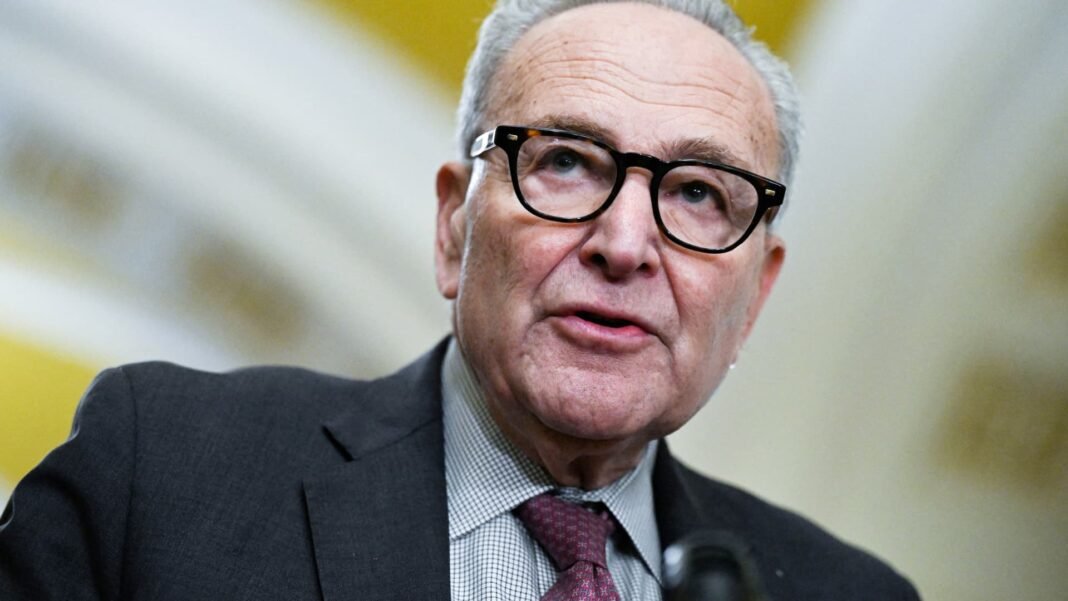
Senate Minority Leader Chuck Schumer expressed readiness for compromise: “Our goal is reopening government while providing relief for working families navigating healthcare choices.” He proposed delaying insurer rate adjustments untill after congress passes an extension of premium tax credits alongside temporary funding measures designed as stopgap solutions.
“We must chart a course that honors both sides’ priorities-restoring government functions while ensuring stability in healthcare expenses,” Schumer emphasized during his remarks in the Senate chamber.
Diverging Views Within Parties Add Layers of Complexity
While some House Democrats regard Schumer’s proposal as constructive progress toward ending shutdown-related disruptions, others remain cautious about accepting compromises perceived as diluting long-term objectives.House Minority Leader Hakeem Jeffries described it as “a good faith effort” but noted further internal discussions are necessary before full caucus endorsement can be secured.
simultaneously occurring, White House officials criticized Democratic tactics they view as leveraging essential public services over unrelated budget disputes-a reflection of tensions between legislative strategies and executive messaging within Democratic ranks themselves.
Elections Shape Negotiation Dynamics Amid Public Backlash
the political fallout from this shutdown is evident; recent elections saw Democratic victories in key states such as New York City, New Jersey, and Virginia-outcomes partially attributed by political analysts (and acknowledged by former President Donald Trump) to voter dissatisfaction with Republican handling of federal closures affecting millions nationwide. Polls consistently show greater public blame directed toward GOP lawmakers rather than their Democratic counterparts regarding responsibility for prolonged agency shutdowns during critical periods impacting essential services across America.
Navigating Forward: urgency Meets Political Reality
- Divergent demands: Republicans insist on passing clean funding bills first; Democrats require simultaneous extension of ACA subsidies.
- Critical deadlines: enhanced Affordable Care Act tax credits face expiration at year-end without congressional intervention.
- Bipartisan initiatives: Proposed committees aim at crafting sustainable healthcare cost containment beyond temporary fixes.
- Elections influence: Voter sentiment exerts pressure shaping negotiation stances ahead of upcoming midterm contests.
The weeks ahead will prove decisive in determining whether lawmakers can bridge divides or if extended disruption will persist-impacting vital government operations along with millions relying on affordable health coverage options under existing law provisions amid economic uncertainty nationwide.
“The American people deserve governance free from partisan deadlock that endangers both effective administration and access to crucial healthcare assistance.”