Revolutionizing Commercial Real Estate: Perspectives from Industry Pioneers Sternlicht and Wallace
Emerging Trends in Commercial Real Estate Investment
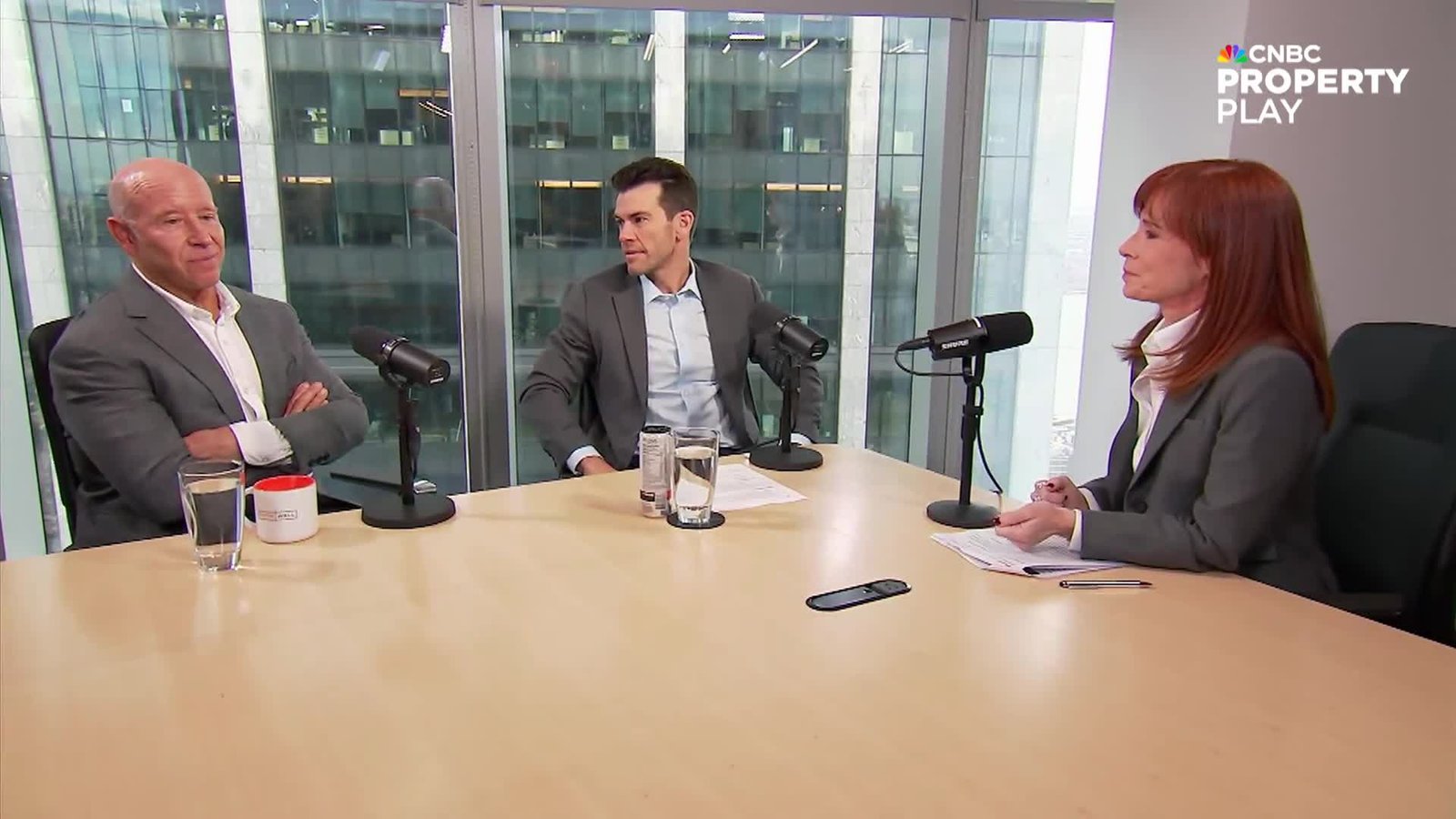
Barry Sternlicht, founder of Starwood Capital Group, has observed the commercial real estate (CRE) sector evolve through numerous economic cycles. Recently, he emphasized how a rapid 500 basis point increase in interest rates substantially pressured investors, compelling many too either absorb elevated financing expenses or accept reduced cash flows that might otherwise have been reinvested into property enhancements.
Sternlicht foresees a shift as interest rates begin to ease. With Jerome Powell’s anticipated departure as Federal Reserve Chair next May, his successor is expected to prioritize lowering rates. He attributes current inflation largely to tariff-related costs-a challenge poised to intensify later this year when fresh inventory arrives and tariff impacts become unavoidable.
The Role of Prop Tech and Sustainability in Modern CRE
Brendan Wallace, co-founder of Fifth Wall-a venture capital firm specializing in property technology-explains how rising borrowing costs have reshaped the prop tech ecosystem. As capital availability tightened,many unprofitable tech startups faced valuation corrections while demand for commercial spaces slowed markedly.
Wallace also highlights that recent CRE investments have increasingly targeted decarbonization projects designed to comply with emerging carbon neutrality mandates. Although regulatory pressures eased temporarily during previous political shifts such as the Trump administration, renewed governmental focus on sustainability is now fueling innovation across the industry.
The AI Boom Driving Data Center Expansion
Sternlicht reveals that Starwood Capital has committed nearly $20 billion toward data center developments-critical infrastructure supporting artificial intelligence (AI) technologies. These ventures typically proceed only after securing leases with major cloud providers like Amazon Web Services, Microsoft Azure, Google Cloud, or Oracle.
A notable concern involves Oracle’s participation in deals connected with AI startups similar to ChatGPT; these companies require ample funding but remain unprofitable at present. Sternlicht warns that AI advancements will profoundly disrupt labor markets by automating tasks once performed by entire teams through affordable chatbots costing under $40 monthly.
Wallace adds complexity by describing refined financial partnerships among technology giants expanding digital infrastructure capacity. if all planned data centers operated at full scale supporting AI workloads-and companies achieved reasonable profit margins-the resulting revenue could theoretically surpass 100% of current U.S GDP-illustrating both immense possibility and meaningful risk inherent in this transformation.
Geographic Strategies amid Global Economic Shifts
Sternlicht expresses growing enthusiasm for European markets where stimulus programs have maintained relatively low borrowing costs while inflation remains subdued compared to U.S levels-making acquisitions abroad more financially attractive even after accounting for currency fluctuations.
Conversely, Wallace underscores New York City’s persistent appeal despite political volatility often perceived externally as destabilizing. He notes how swiftly local leadership can pivot-as demonstrated when progressive officials assumed office shortly after national conservative victories-highlighting New York’s resilience as a long-term investment hub irrespective of short-term uncertainties.
Key Considerations for Future CRE Investors
- Interest Rates: Expected easing should restore investor confidence and improve liquidity constrained by recent rapid hikes.
- Sustainability: Heightened regulatory emphasis will accelerate adoption of decarbonization technologies within global property portfolios.
- A.I.-Driven Infrastructure: data centers remain essential assets underpinning exponential growth across industries fueled by artificial intelligence applications.
- Diversification: Expanding investments beyond U.S borders into stable international markets offers attractive risk-adjusted returns amid domestic uncertainties.
“jobs once requiring entire teams may soon be replaced by chatbots costing less than $40 per month.”
Navigating Tomorrow’s Commercial Real Estate Landscape Today
The fusion of traditional CRE expertise with cutting-edge technological investments defines today’s market leaders-from seasoned veterans like Barry Sternlicht mentoring innovators such as Brendan Wallace-to capitalize on opportunities arising from evolving global economic conditions.
This integrated approach ensures adaptability amid challenges posed by fluctuating interest rates; geopolitical factors influencing tariffs and inflation; accelerating climate mandates demanding green solutions;
and an unprecedented wave driven by artificial intelligence reshaping both physical infrastructure needs and workforce dynamics.
For investors aiming for sustainable growth within commercial real estate,
a balanced strategy embracing innovation alongside proven fundamentals remains essential.