Netflix’s Strategic Leap: Unifying Gaming Avatars Through Ready Player Me Acquisition
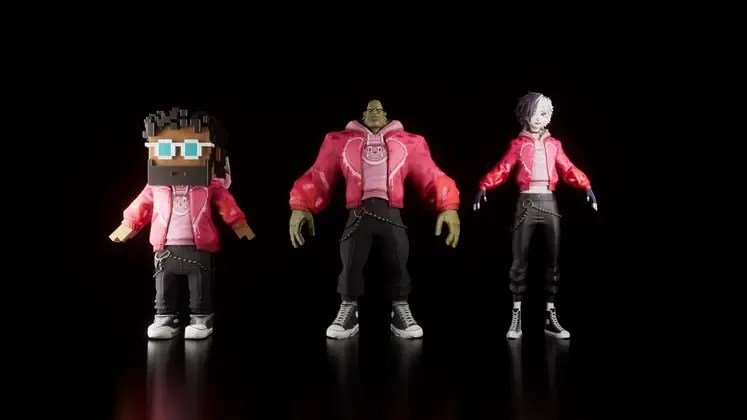
Netflix is intensifying it’s commitment to gaming by acquiring Ready Player Me, a cutting-edge avatar creation platform based in Estonia. This acquisition aims to provide Netflix users with customizable avatars that can be used seamlessly across multiple games, fostering a cohesive and engaging player identity throughout the Netflix gaming ecosystem.
Creating Consistent Digital Identities Across Games
By integrating Ready Player Me’s elegant avatar technology, Netflix plans to offer gamers personalized digital personas that persist across various titles. This approach allows players to maintain their unique presence and express their preferences consistently within different interactive experiences on the platform.
The financial terms of this deal remain undisclosed; however, it is notable that Ready Player Me had previously raised $72 million in funding from investors including Andreessen Horowitz (a16z), Endeavor, Konvoy Ventures, Plural Ventures, as well as angel backers such as founders from Roblox and Twitch. The startup’s team of around 20 employees will join Netflix’s workforce, with CTO Rainer Selvet being the sole founder transitioning into the company.
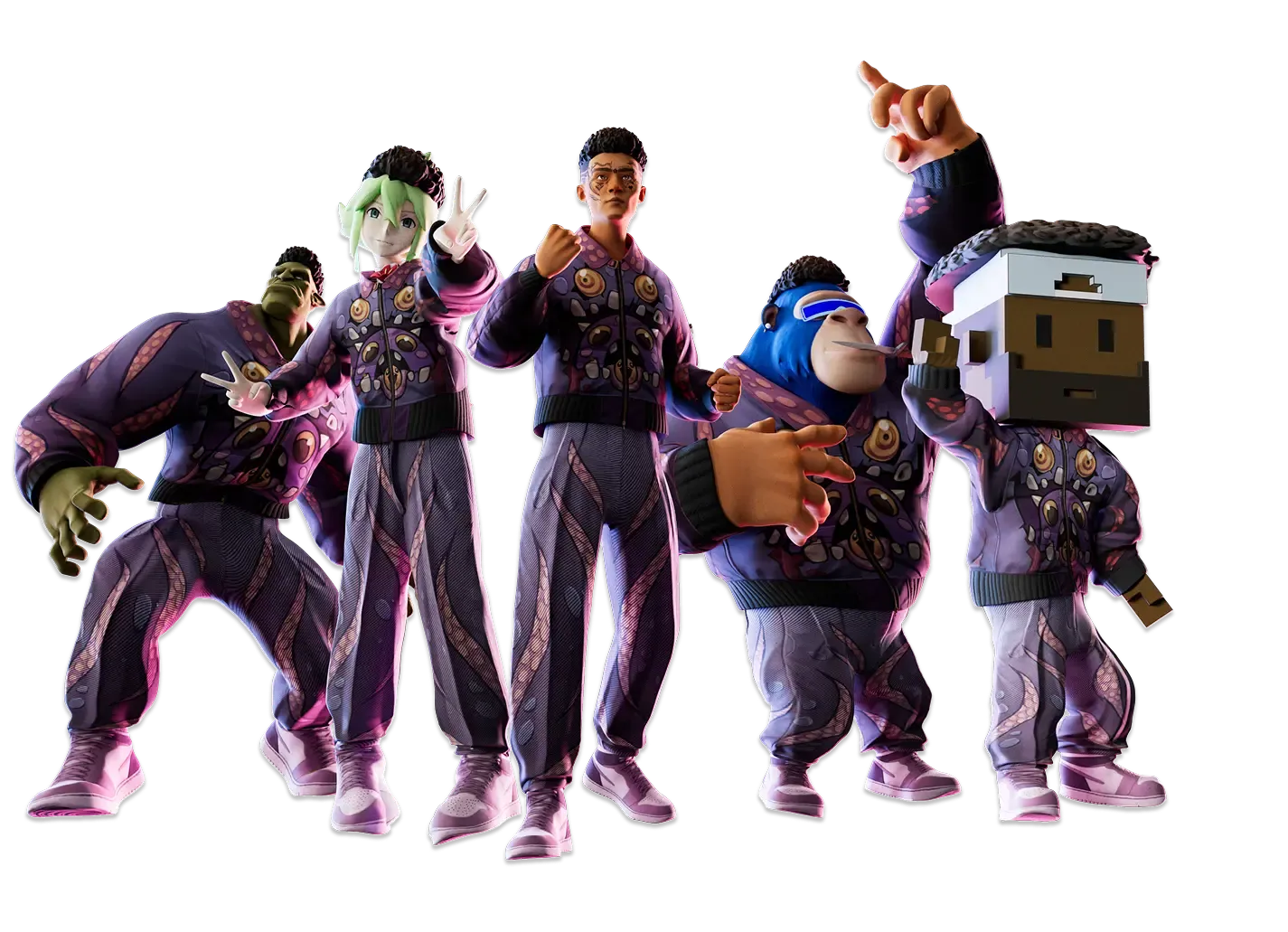
The existing services offered by Ready Player Me-including its standalone online avatar builder-are set to be discontinued by January 31, 2026.This signals a strategic shift toward embedding these capabilities directly within Netflix’s gaming offerings rather than maintaining separate platforms.
“Our vision has always been about enabling avatars and identities that transcend individual games and virtual worlds,” stated Timmu Tõke, CEO of Ready Player Me. “Partnering with Netflix empowers us to scale our technology globally while contributing significantly to their innovative vision for interactive entertainment.”
A New Era in Netflix’s Gaming Journey
Since launching its gaming division four years ago primarily through mobile games accessible via subscriber accounts, Netflix has continuously evolved its strategy toward interactive content.Initially treating games as an extension of original films or animated series under Mike Verdu-formerly at Electronic Arts-the company experimented with studio acquisitions and licensing popular franchises like Grand Theft Auto: San Andreas.
This early phase produced mixed results; while flagship titles attracted millions of downloads worldwide-GTA reportedly reached impressive numbers on the platform-many other releases struggled with visibility or player retention. Recently announced plans include retiring several older licensed games such as GTA alongside numerous lesser-known projects.
The company also closed multiple internal studios or returned them under founder control after reassessing operational priorities-a reflection of broader industry challenges when rapidly scaling new entertainment verticals.
navigating Industry Challenges Through Leadership Shifts
Acknowledging these obstacles as part of an experimental growth phase was essential for adaptation. in line with this pivot last year, Alain Tascan , formerly part of Epic Games’ leadership behind Fortnite innovations, was appointed president of games at Netflix.
Tascan’s leadership marked a strategic refocus emphasizing TV-based gameplay experiences over mobile exclusives alone-prioritizing party-style titles designed for group play alongside family-amiable narratives aimed at wider audiences.
Diverse Game Offerings Tailored for Broad Appeal
- Social Party Games: Interactive puzzles like Puzzled Together;
- Younger Audiences: Licensed favorites such as SpongeBob SquarePants Adventures;
- Breathtaking Sports Simulations: Upcoming wrestling-themed release akin to WWE 2K25;
- Narrative-Driven & Live Event Titles: The Ultimate Quiz Show live game features real-time competitions hosted by celebrities vying for substantial cash prizes;
- Synchronized Global Launches: A FIFA-inspired title optimized specifically for smart TVs timed ahead of World Cup 2026 promises immersive sports engagement without additional hardware requirements.

Pushing Boundaries beyond Conventional Viewing Experiences
Diving deeper into interactivity beyond passive streaming consumption,
Netflix CTO Elizabeth Stone unveiled initiatives introducing real-time audience participation during live broadcasts at recent industry events.
These innovations include voting systems initially tested during cooking shows now adapted for talent contests reminiscent of classic formats where viewers influence outcomes dynamically – similar concepts employed successfully by programs like “The Voice.”
The Future Outlook: Can interactive Gaming Transform Streaming?
This evolution raises questions about weather audiences accustomed mainly to relaxed viewing will embrace more active roles involving integrated gameplay within their favorite platforms.
Success depends on balancing ease-of-access-for instance enabling play directly through smart TVs without extra consoles-and delivering compelling content that resonates emotionally while building community connections around shared interests.
With global internet penetration surpassing 70% according to recent ITU data (International Telecommunication Union), opportunities abound but competition intensifies among tech giants vying for consumer attention across devices both large and small.
“integrating cross-game avatars signifies not only technological advancement but also cultural progression towards persistent digital identities,” experts observe – highlighting how this trend aligns closely with metaverse developments gaining traction worldwide.
Incorporating familiar elements such as personalized characters bridges gaps between casual viewers who occasionally game versus dedicated players seeking continuity across diverse virtual environments.
The coming years promise exciting breakthroughs redefining what it means to engage interactively within entertainment ecosystems.”