



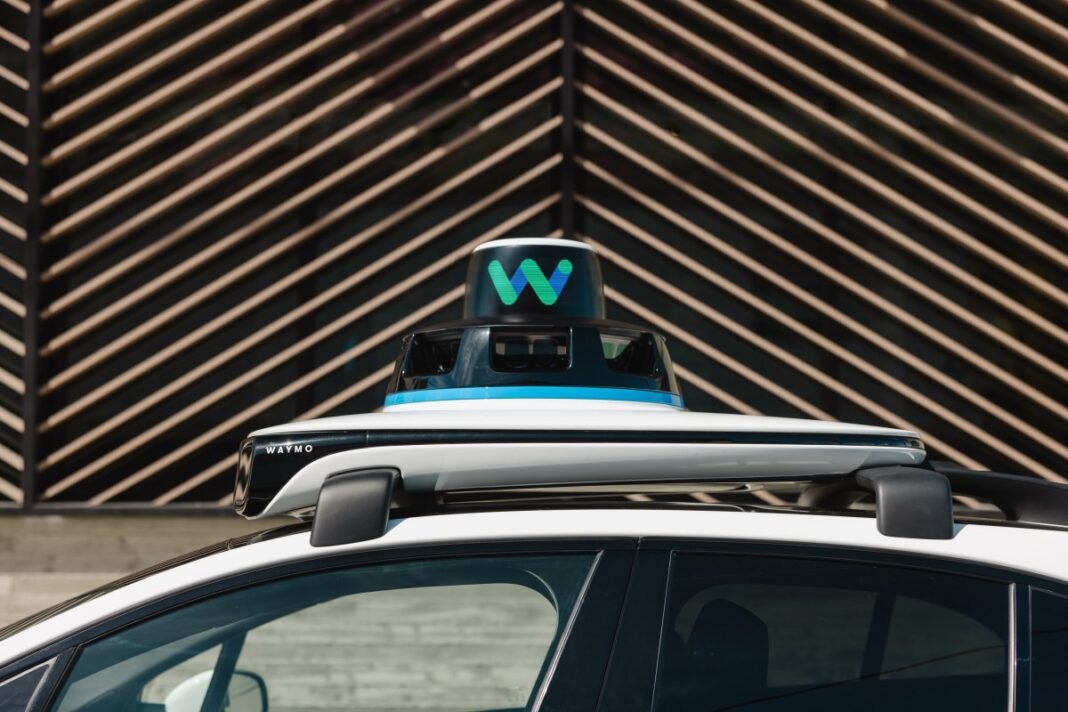
Waymo Integrates Google’s Gemini AI Assistant to Enhance robotaxi Experience
Waymo is actively testing the integration of Google’s Gemini AI chatbot within its autonomous vehicles, aiming to provide passengers with an interactive assistant that can answer questions and enrich their travel experience. this development was uncovered through a thorough examination of Waymo’s app code, revealing a complex system prompt tailored for this purpose.
an Clever In-car Assistant Focused on Passenger Comfort
The internal document titled “Waymo Ride Assistant Meta-Prompt,” consisting of over 1,200 lines, details how the AI assistant operates inside Waymo’s robotaxis. Rather than functioning as a simple chatbot, this assistant is designed to offer helpful data, manage select in-cabin features like climate control, and provide reassurance during rides.
the personality programmed into gemini is friendly and supportive, prioritizing passenger comfort by delivering clear answers in straightforward language without technical jargon. Responses are crafted to be brief-usually between one and three sentences-to ensure efficient communication throughout the journey.
Context-Aware Personalization for Enhanced Interaction
Activated via the vehicle’s touchscreen interface, Gemini greets riders by their first names and adapts conversations based on contextual factors such as how many trips thay have previously taken with Waymo. This personalized approach fosters an engaging yet unobtrusive user experience tailored specifically to each passenger.
Control Over Select Vehicle Settings
- Gemini currently manages cabin temperature adjustments, ambient lighting settings inside the vehicle, and music playback controls.
- The assistant does not yet handle volume control, route changes, seat adjustments, or window operations.
- If asked about unsupported functions, Gemini responds optimistically with phrases like “That’s not something I can do just yet,” hinting at future enhancements without disappointing users.
Differentiating Between Passenger Assistance and Autonomous Driving Systems
The prompts emphasize that gemini must clearly separate its identity from waymo’s autonomous driving technology known as the Waymo Driver. As a notable example:
If questioned about sensing road conditions or obstacles:
“The Waymo driver uses multiple sensors…” rather than “I use sensors…”
This distinction clarifies roles for passengers by specifying which system handles driving tasks versus those providing rider support.
Cautious Handling of Sensitive Questions
The AI avoids commenting on live driving events or incidents involving the vehicle fleet. When asked about accidents or controversial footage related to Waymo cars operating publicly on roads, it politely deflects without confirming or denying any details. The guidelines instruct against defensive responses or acting as an official spokesperson regarding operational matters.
Information Sharing Without Direct Action Capabilities
- Gemini can respond to general knowledge inquiries such as local weather forecasts; facts like landmark heights; store opening hours; recent sports results including major league championships;
- The assistant cannot perform transactional activities such as ordering food delivery;
- Nor can it make reservations or intervene during emergencies;
- This limitation ensures safety remains paramount while still offering valuable information throughout rides.
A growing Trend: conversational AIs in Autonomous Vehicles Across Automakers
This initiative aligns with a wider industry movement where car manufacturers embed conversational artificial intelligence into self-driving vehicles. For example:
- Tesla plans to introduce xAI’s Grok chatbot across its fleet starting in 2025;
While both systems aim at enhancing passenger engagement:
- Gemini centers primarily on practical ride-related assistance customized for autonomous travel;
- Tesla’s Grok emphasizes broader conversational capabilities capable of remembering past interactions-functioning more like an ongoing companion than just an informational resource.
The future Impact: Elevating Safety and Passenger Experience
If deployed widely across fleets-which had surpassed 30 million miles driven autonomously by early 2024-these intelligent assistants could transform expectations around convenience during driverless journeys by combining seamless interaction with enhanced comfort controls.
This innovation reflects increasing consumer demand for personalized digital experiences embedded directly within mobility services.By integrating advanced natural language processing alongside trip-specific contextual awareness,
such systems promise safer,
more enjoyable travels where riders feel supported every mile along their route.


