
How AI is Reshaping E-Commerce: Amazon’s Strategic Adaptation
The Growing Influence of Artificial Intelligence on Online Retail
Artificial intelligence is rapidly transforming the e-commerce sector, with Amazon’s leadership acknowledging it’s sweeping impact. AI-driven assistants are expected to become embedded in daily routines, influencing activities from shopping and travel planning to managing household chores.
Recently, Amazon has initiated talks with various third-party AI developers to explore integrating intelligent agents into its commerce ecosystem. This move highlights the company’s urgency to evolve quickly within an increasingly competitive digital marketplace.
The Rise of Autonomous Shopping Agents and Market Evolution
Agentic commerce-where AI-powered bots independently search for products, compare prices, and finalize purchases without direct user involvement-is revolutionizing online shopping habits. Instead of manually browsing platforms like Amazon or walmart,consumers are beginning to rely on these automated agents that simplify decision-making through conversational interfaces.
This shift gained traction over the past year as major technology companies such as OpenAI, Google, Microsoft, and emerging startups launched innovative e-commerce assistants designed to redefine retail experiences. Analysts predict that by 2030 agentic commerce could contribute upwards of $1 trillion annually in U.S. retail sales.
A Changing Competitive Arena for Major Retailers
- Amazon faces important challenges as external AI agents may divert shoppers away from its platform while still collecting transaction fees elsewhere.
- Retailers risk losing direct engagement with customers if purchases occur via third-party bots rather than their own websites.
- This evolving landscape threatens profit margins and customer loyalty unless companies actively embrace or regulate these new technologies.
The Complex Dance Between Collaboration and Rivalry
Certain retailers have adopted a dual approach by partnering with AI innovators while simultaneously developing proprietary solutions and imposing restrictions on how external bots interact with their sites:
- Walmart, Shopify, among others have implemented clear guidelines defining acceptable bot behavior within their platforms.
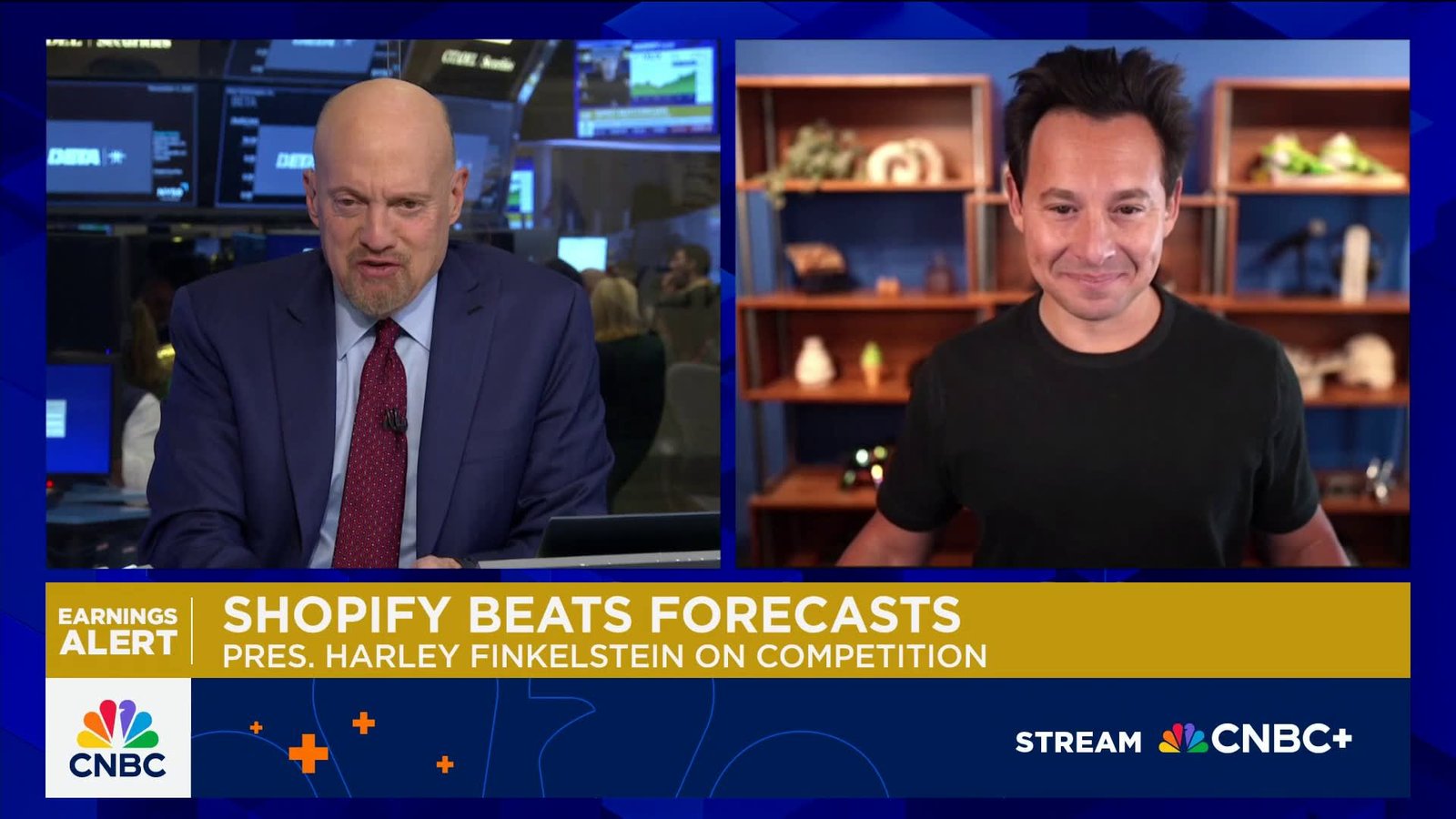
- tobi Lütke, Shopify’s CEO, has expressed optimism about “Agentic Commerce,” emphasizing his company’s commitment to building infrastructure that supports generative AI-driven shopping innovations.
Amazon’s Protective Measures Against Unauthorized Bots
To defend its valuable data assets from competitors’ automated crawlers, Amazon recently upgraded its website architecture to block unauthorized AI bots from scraping content. Key actions include:
- Banning access for 47 different automated programs-including those operated by leading artificial intelligence firms-from harvesting publicly available site data used for training models or other purposes.
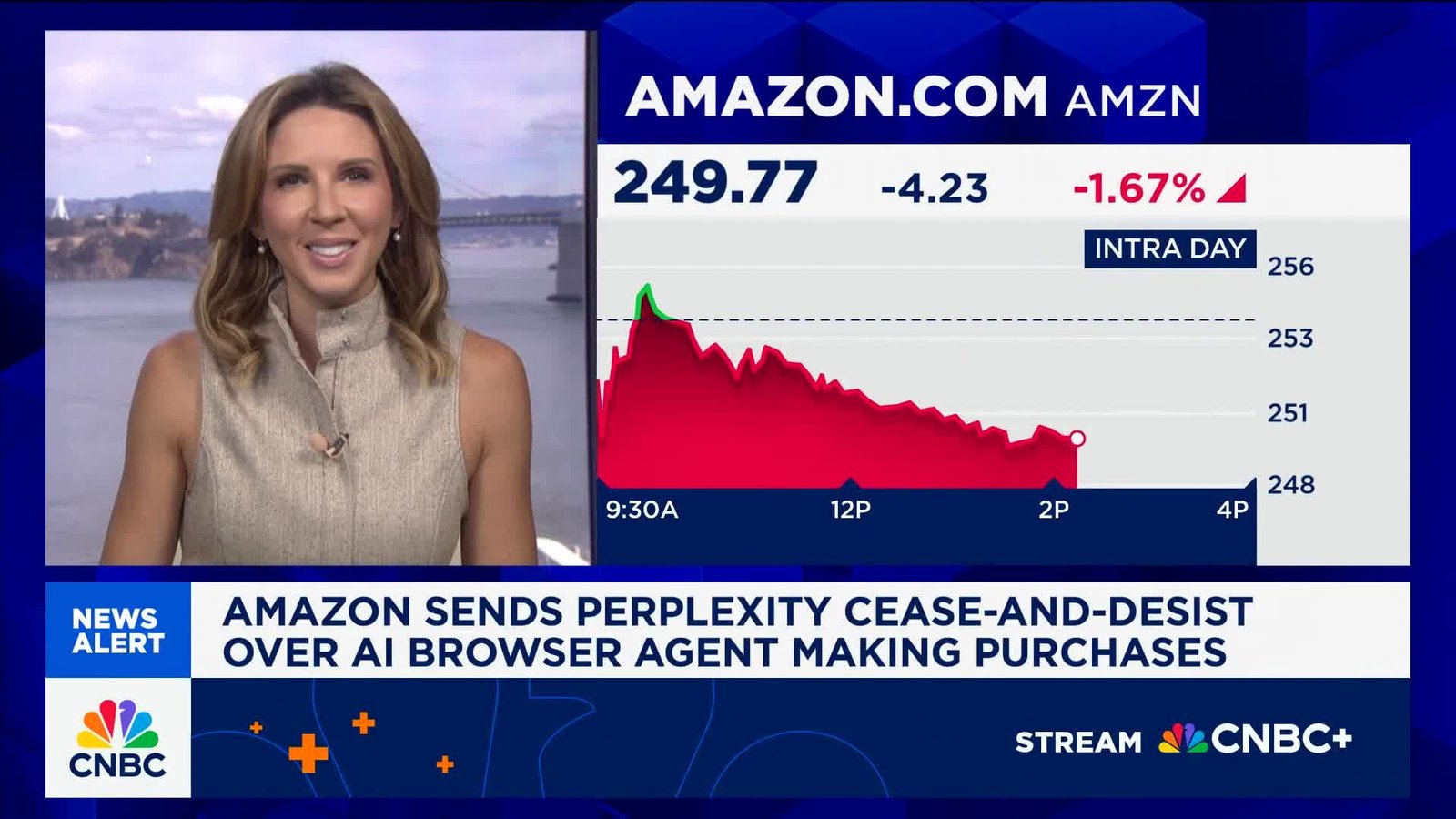
This defensive posture extends beyond technical barriers; Amazon also pursued legal action against Perplexity after accusing it of secretly deploying an agent capable of making purchases through the startup’s Comet browser without authorization-a tactic Perplexity described as aggressive bullying.
Aggressive Development of In-House AI Tools
Apart from fending off external threats, Amazon continues advancing internal innovations such as:
- The introduction last year of Rufus, an interactive chatbot designed to guide users throughout their shopping journey;
- an experimental feature called “Buy For Me”, which allows customers to purchase items across multiple websites directly via Amazon’s app;
Together these initiatives underscore Amazon’s dedication not only to protect but also expand its influence in a progressively automated retail environment.
The Surge in Personalized Digital Shopping Assistants Powered by Generative AI
Morgan Stanley forecasts that nearly 50% of U.S. consumers will use personal digital shopping assistants powered by generative artificial intelligence before 2030-possibly adding $115 billion annually in e-commerce spending nationwide. Presently:
- A small but growing segment initiates purchases through conversational AIs;
- An estimated 40%-50% already employ artificial intelligence tools during product research phases;
This trend signals a essential shift toward highly personalized buying experiences facilitated more by intelligent automation than conventional browsing alone.
Evolving Consumer Patterns Amid Early Limitations
The recent holiday season saw increased traffic directed from chatbot platforms toward major retailers; however studies show conventional search engines like Google still outperform chatbots regarding conversion rates and revenue per visit at this stage.
Such as:
- An early iteration of openai’s Instant Checkout supports limited product categories across Walmart merchants, Target stores , Shopify sellers,and Etsy vendors but restricts multi-item orders or integration with loyalty programs such as Walmart+;
- User testing revealed occasional glitches-as an example,a shopper attempting checkout via Perplexity’s Instant Buy tool encountered repeated errors despite item availability;
- Mismatched product images sometimes appear during searches (e.g., espresso machine results showing unrelated garden tools), highlighting ongoing data quality challenges inherent in web crawling methods used by many bots;
Navigating Innovation through Subsidiary Experimentation
While broadly restricting bot access on core sites like amazon.com,
Amazon appears more lenient toward subsidiaries including Zappos (footwear), Shopbop (fashion),
and Woot (daily deals). These brands lack explicit crawler prohibitions within robots.txt files,
suggesting they serve as controlled environments where new approaches can be tested without risking main brand exposure.
“subsidiaries act as innovation labs allowing cautious experimentation,” industry experts note.
Safeguarding Critical Proprietary Data Assets
Certain datasets remain especially protected due
to their strategic importance:
- User-generated reviews offering authentic consumer feedback;
- Dynamically updated sales rankings revealing trending products;
- BOTH vital inputs enhancing accuracy & relevance
of integrated chatbot recommendations.
“Securing these unique resources is crucial given the competitive edge they provide,” industry strategists emphasize.
Pioneering Enhanced Customer Experiences Through Internal Innovation
As launching last year,Rufus’S CAPABILITIES HAVE BEEN SIGNIFICANTLY IMPROVED TO DELIVER MORE FLUID INTERACTIONS ACROSS AMAZON’S ECOSYSTEM.
Recent upgrades include automatic purchasing options for Prime members when price targets are met along with expanded product suggestions sourced beyond Amazon’s catalog.
Additionally,Rufus pilots custom shopping guides assisting users through complex decisions-a feature comparable to OpenAI’s latest “Shopping Research” tool unveiled recently.
Navigating Leadership Challenges Amid Rapid Technological Shifts
“Instead of facing an innovator’s dilemma common among disruptors,new market leaders like amazon wrestle with what might be called ‘the leader’s dilemma,’ balancing vast existing market share against risks posed by emerging technologies,” analysts observe.
This tension highlights why strategic adaptability remains essential even for dominant players aiming sustained growth amid accelerating technological change.