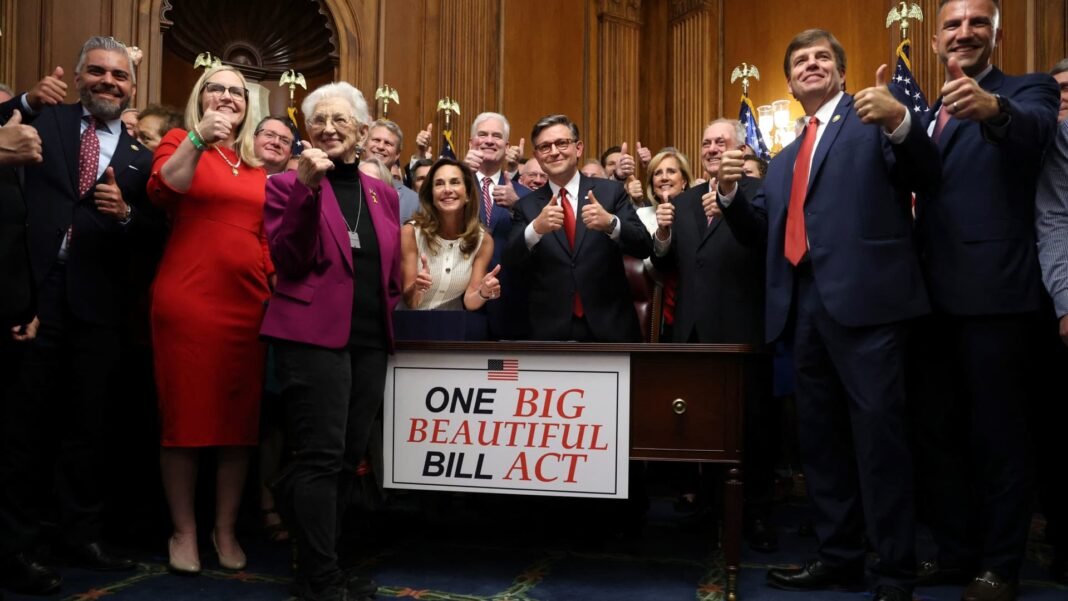
In-Depth Analysis of Trump’s 2017 Tax Cut Extensions and Associated Legislation
Long-Term Adjustments to the 2017 Tax Reform
The latest legislative measures have cemented the tax cuts enacted in 2017,transforming many temporary provisions into permanent features while broadening several critical benefits. Notably, the standard deduction is set to increase to $15,750 for individual filers and $31,500 for married couples filing jointly by 2025, with future increments aligned with inflation rates.
The estate and gift tax exemption also sees a substantial rise-from $13.99 million to $15 million per individual and from $27.98 million to $30 million for joint filers by 2026-adjusted annually thereafter.
Child tax credits are enhanced as well, climbing from $2,000 to $2,200 per child starting in 2025. The refundable portion increases up to approximately $1,700. Additionally,the cap on the SALT (state and local tax) deduction,which had been fixed at a maximum of $10,000 since its introduction under Trump’s original reforms in late 2017,will temporarily surge fourfold-to a ceiling of $40,000 beginning in 2025-before gradually tapering back down by 2030.
The SALT Deduction: Temporary Expansion Eases burden on High-Tax Regions
The SALT deduction permits taxpayers who itemize their deductions on federal returns to subtract state and local income taxes as well as property taxes paid during the year. Prior to its limitation imposed at a flat cap of $10,000 annually-which disproportionately impacted residents of states like New York and California-the SALT deduction had no upper limit.
This recent legislation dramatically raises that limit temporarily-to $40,000 starting in 2025.however, this expanded benefit phases out progressively for households earning over half a million dollars annually. The cap will incrementally increase by one percent each year through 2029 before descending back toward previous levels.
A recent study revealed that average SALT deductions hovered near or at the prior cap across high-tax states such as Connecticut and Massachusetts during recent reporting periods-highlighting how many taxpayers were constrained by this threshold. Analysts emphasize that primarily upper-middle-income earners stand poised to benefit most from this change since lower-income households typically opt for standard deductions rather than itemizing.
Evolving Child Tax Credit Provisions Bolstering Family Support
The child tax credit is designed specifically for families with children under seventeen who possess valid Social Security numbers. Initially doubled during Trump’s governance-from $1,000 to $2,000-the credit now receives further permanent enhancements:
- A maximum credit amounting to $2,200 per qualifying child starting in 2025;
- An inflation adjustment commencing one year later;
- An increased refundable portion capped near $1,700;
- This refundability ensures families can receive funds even if they owe little or no federal income taxes.
Despite these improvements benefiting millions nationwide-including working-class households-approximately 17 million children living below certain income thresholds may still not fully qualify due mainly to insufficient earned income within their families.
A Targeted Deduction Offering Seniors Additional Relief Temporarily
Seniors aged sixty-five or older qualify for an extra temporary “bonus” deduction worth up to $6,
This senior bonus acts as an alternative method rather of eliminating taxation on Social Security benefits outright-a move generally restricted under budget reconciliation rules-and may indirectly reduce some seniors’ overall federal tax burdens while potentially accelerating depletion timelines of Social Security trust funds slightly earlier than current projections (now estimated around late-2032).
Cuts Affecting medicaid Funding Amid federal Budget Constraints
The legislation proposes sweeping reductions totaling nearly one trillion dollars over time targeting Medicaid programs currently serving more than seventy-one million Americans-including low-income adults and children nationwide.
“Starting December 31st , 2026 , most able-bodied beneficiaries aged nineteen through sixty-four enrolled via ACA expansions must complete eighty hours monthly work requirements.”
Certain exemptions exist but are limited-for example parents qualify only if caring for children fourteen years old or younger-and eligibility reviews would shift from annual assessments to biannual ones.
Additionally,restrictions on state provider taxes could further diminish available funding potentially causing millions losing coverage by mid-2030s according estimates based upon earlier drafts.
Narrower SNAP Benefits Due To Expanded Work Mandates And Eligibility Restrictions
The Supplemental Nutrition Assistance Program (SNAP), which aids over forty million Americans including vulnerable groups such as seniors and disabled adults,
States might be compelled either into reducing monthly benefits or withdrawing entirely shoudl they fail to compensate federally reduced funding shares.
Moreover,
An estimated five-point-three-million families could experience monthly SNAP losses averaging nearly one hundred fifty dollars each due solely these reforms according independant research analyzing national impacts.
‘Trump Accounts’: Innovative Savings Plans For Children Born Between ’25 And ’28
>
A new initiative introduces federally funded savings accounts providing newborns born between calendar years twenty-twenty-five through twenty-twenty-eight an initial deposit exactly equal$1,
While supporters praise these “Trump accounts” as tools fostering financial literacy among youth somewhat akin but distinctively diffrent compared with existing college-focused plans like Section529 plans-which offer higher contribution limits but less employer involvement-critics argue alternatives remain superior depending upon family goals.
tightened Federal Student Loan Caps & Revised Repayment Options
>
- Graduate students face annual unsubsidized loan caps set at <$20 ,500 >and lifetime borrowing limits capped around <$100 ,00 >; professional degrees face similar restrictions ($50 ,00 annual ;$200 ,00 lifetime).
- Overall lifetime borrowing limit across all federal student loans established near two hundred fifty-seven thousand five hundred dollars .
- Parent PLUS loan program restricted both yearly ($20 ,00 )and total amounts borrowed per student($65 ,00 ); Grad PLUS loans eliminated entirely .
- Beginning mid-twenties twenty-six new borrowers must select between standard fixed repayment plan or newly created Repayment Assistance Plan (RAP) based on income ; unemployment deferment options removed along economic hardship deferments discontinued reducing flexibility during financial difficulties.
Additions Supporting Domestic Car Buyers & Tip Earners Temporarily Extended
>
- Lowers car loan interest deductibility thresholds allowing certain taxpayers annual deductions up-to ten thousand dollars interest paid on new vehicles assembled domestically spanning years twenty-twenty-five thru twenty-twenty-eight subject phaseouts above incomes exceeding one hundred thousand individual /two hundred thousand joint filings; experts estimate modest average benefit below five-hundred-dollars first year given typical loan sizes .
- Temporary relief extends towards tip earners offering annual deductions maxing out twenty-five-thousand-dollars reported tips excluding high earners beyond specified thresholds ; Treasury tasked publishing qualifying occupations list pre-deadline end-of-year two-thousand-twenty-four ensuring clarity regarding eligible workers impacted .
- Temporary overtime pay breaks provide above-the-line deductions capping twelve-thousand-five-hundred-individual /twenty-five-thousand-joint filings phased-out beyond earnings ceilings mirroring tip break parameters effective same timeframe .
Cessation Of Clean Energy Tax Credits After September Twenty-Two fifty Period Ends

This bill ends consumer incentives related electric vehicle purchases including seven-thousand-five-hundred-dollar credits expiring September thirtieth twenty-two-fifty alongside four-thousand-dollar used EV credits concurrently ending then.
Deductions tied home energy efficiency upgrades involving solar panels heat pumps efficient windows doors lose associated credits after December thirty-first twenty-two-fifty reversing extensions made under prior climate-focused laws originally designed stimulate green technology adoption lasting into early thirties decade.
< p >Experts caution removal risks slowing clean energy transition momentum amid growing global urgency combating climate change effects.
K-12 Private School Scholarship Tax Credit Introduced Starting Calendar Year Two-Thousand-Twenty-seven
Individuals donating funds supporting K-12 private school scholarships become eligible claiming full dollar-for-dollar credits capped seventeen-hundred-dollars commencing calendar year two-thousand-twenty-seven.
Program participation optional per state/district discretion sparking debates surrounding educational choice policies currently active partially across thirty states plus Washington D.C..
Scholarships target students whose family incomes do not exceed three times median area gross incomes ensuring aid directed towards moderate-income populations.
Understanding fundamental terms enhances comprehension legislative impact:
- Deductions: Reduce taxable income lowering overall liability proportionally dependent bracket level e.g., $1000 deducted saves more money higher brackets versus lower ones.
< li >Above-the-line Deductions: Claimable irrespective standard/itemized status increasing accessibility.
< li >Itemized Deductions: detailed listing preferred when exceeding standard amounts maximizing potential savings.
< li >Credits: Directly reduce owed taxes dollar-for-dollar valuable especially low/middle-income groups.
< li >Refundable Credits: Allow refunds beyond zero liability enhancing support among non-taxpaying individuals.
< li >Phaseouts: Income-based gradual elimination mechanisms preventing unlimited claims ensuring fairness.
This glossary aids navigating complex provisions embedded throughout reform package clarifying practical implications personal finances.