Rethinking US Military Involvement in Nigeria: Navigating a Multifaceted Security Crisis
Contextualizing the Recent US Airstrikes
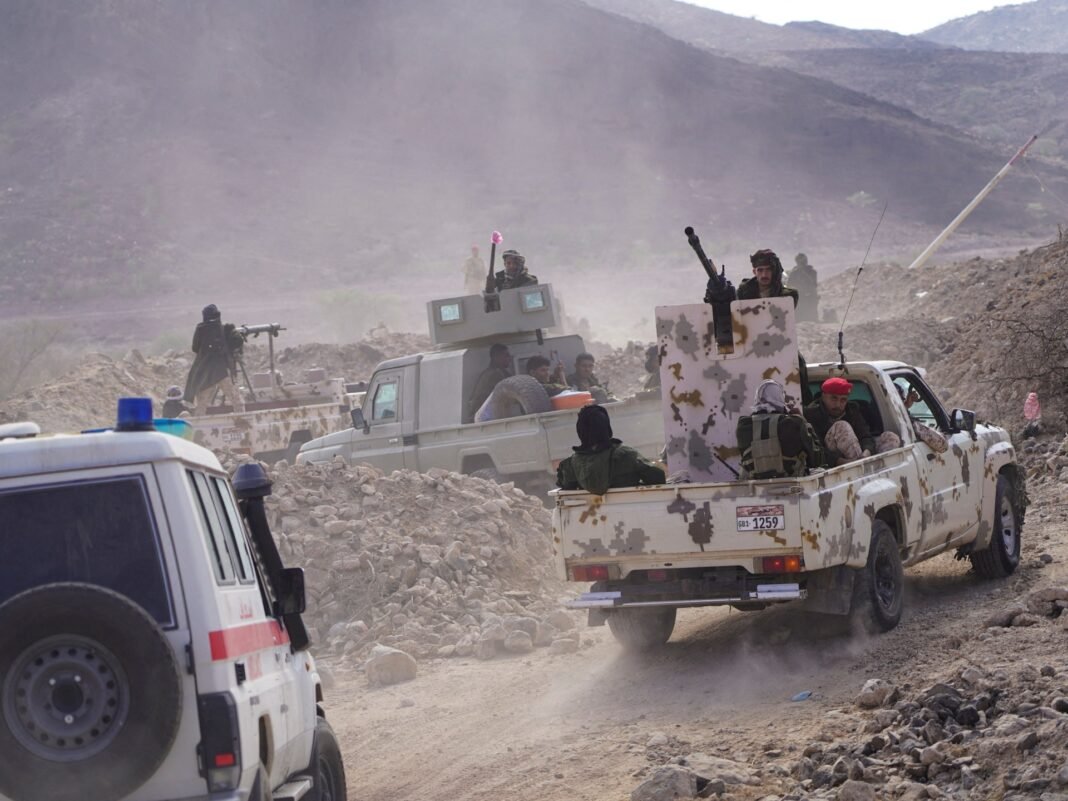
The United States recently launched airstrikes aimed at purported ISIL (ISIS) affiliates in northwest Nigeria, an operation framed by Washington as a decisive move against terrorism. Advocates of the previous administration viewed this as fulfilling commitments to confront what has been described as ongoing “Christian genocide” within Nigerian territory.
Complex Realities Behind Military Interventions
Despite the prominence of these strikes, their actual impact on improving security conditions in Nigeria remains uncertain. Such military actions risk oversimplifying deeply rooted conflicts adn may divert attention from systemic issues that perpetuate violence across the region.
The Choice of Northwest Nigeria as a Target Zone
The initial bombings targeted Sokoto State,an area experiencing persistent instability primarily driven by armed bandit groups focused on economic gain and land disputes rather than ideological extremism linked to ISIL. This contrasts sharply with northeastern states like Borno and Yobe, where Boko Haram and its offshoot ISWAP maintain important operational presence.
Lakurawa Militant Group: Unclear Affiliations Raise Questions
The airstrikes reportedly concentrated on Lakurawa, a relatively new armed faction whose ties to ISIL remain unverified. This raises concerns about prioritizing targets with ambiguous connections while more entrenched insurgencies continue unabated elsewhere.
Uncertainty Surrounding Casualty Figures and Local Impact
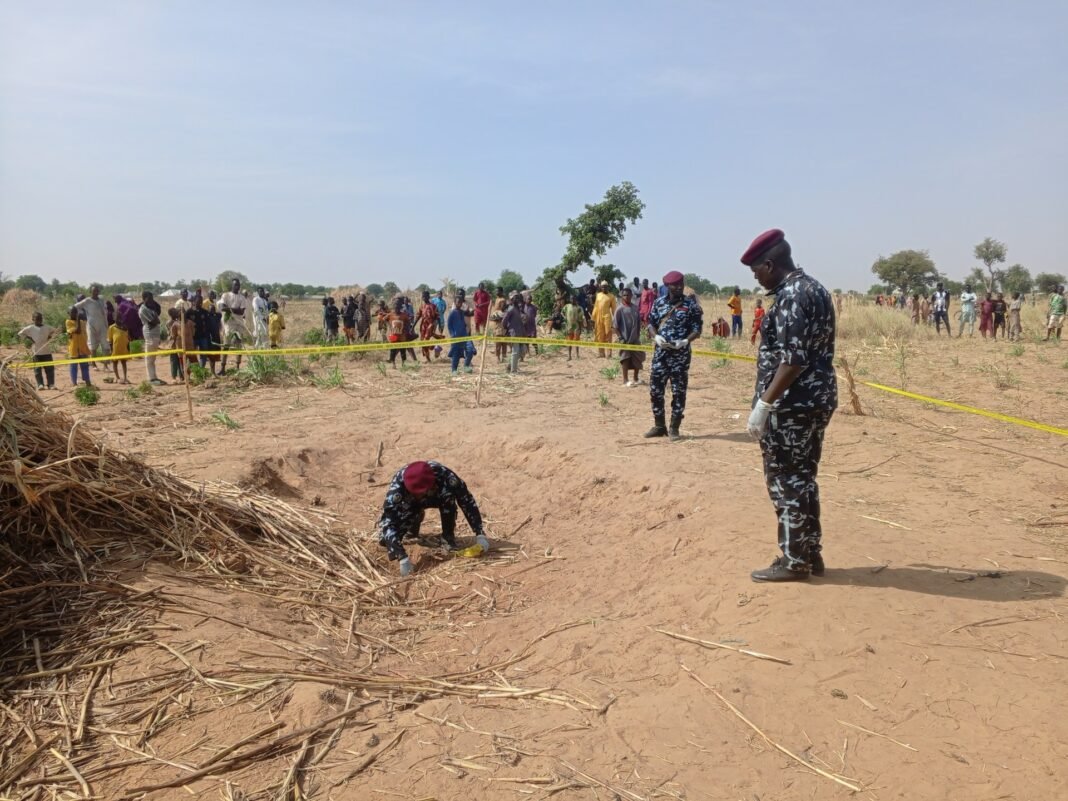
No confirmed data has emerged regarding casualties from these attacks. Some accounts suggest bombs may have hit vacant sites without causing deaths; others describe widespread fear among local populations unfamiliar with such violent events until now. Social media narratives offer conflicting reports about civilian harm but lack autonomous verification.
“Multiple strikes were executed but most missed their intended targets; actual damage is still largely unclear,” commented an analyst familiar with regional operations on social platform X.
This lack of openness fosters distrust among communities already wary of foreign military involvement and complicates efforts to evaluate real consequences for civilians.
Cultural Dimensions Heighten Risks of Negative Repercussions
The timing-airstrikes conducted during Christmas-adds symbolic complexity that could deepen religious tensions within northern Nigeria’s diverse population. For many muslims in Sokoto-a city historically regarded as the spiritual center of the 19th-century Sokoto Caliphate-the attack might be seen not only as militarily hostile but also culturally insensitive or provocative.
this perception risks reinforcing narratives that portray Western powers as antagonistic toward Islam, perhaps fueling recruitment for extremist groups instead of curbing their influence.
A Comprehensive Strategy Is Crucial for Sustainable Peace
nigeria’s security challenges are rooted in longstanding governance failures including corruption, weak state presence especially in rural areas, and fractured community relations-not solely terrorist threats. In banditry-affected zones like northwest Nigeria, locals often negotiate with armed factions due to government absence or ineffectiveness rather than ideological sympathy.
- Strengthening Community Policing: Enhancing local law enforcement capabilities can foster trust and improve intelligence tailored to specific regional contexts.
- Facilitating Dialog Platforms: Encouraging dialogue between communities and authorities helps address grievances before they escalate into violence.
- Diversion Programs for Militants: Providing education and reintegration opportunities offers sustainable alternatives to militancy beyond mere military suppression.
- sustainable Economic Initiatives: Revitalizing rural economies reduces incentives tied to poverty-driven crime or resource-based conflicts prevalent among bandits today-who numbered over 10,000 active members according to recent estimates by Nigerian security analysts (2024).
The Appropriate Role for Foreign Military Engagements
A nuanced outlook suggests that external interventions such as US airstrikes may generate international headlines yet yield limited tangible benefits locally if disconnected from broader strategies emphasizing governance reform alongside community resilience building within Nigeria itself.
nigerian-Led Solutions: The Pathway Toward Enduring Stability
Sustainable peace requires deep-rooted internal reforms aimed at restoring institutional legitimacy coupled with investments targeting livelihoods devastated by years of conflict-not short-lived foreign-led bombardments posing as solutions.
Only through indigenous leadership supported by carefully calibrated assistance can stability take hold amid complex socio-political dynamics shaping northern Nigerian conflicts today.
Anything less risks perpetuating cycles of violence under new guises while obscuring urgent needs beneath dramatic yet superficial displays of power projection abroad.