Netanyahu’s Calculated Moves Amid Gaza Ceasefire challenges
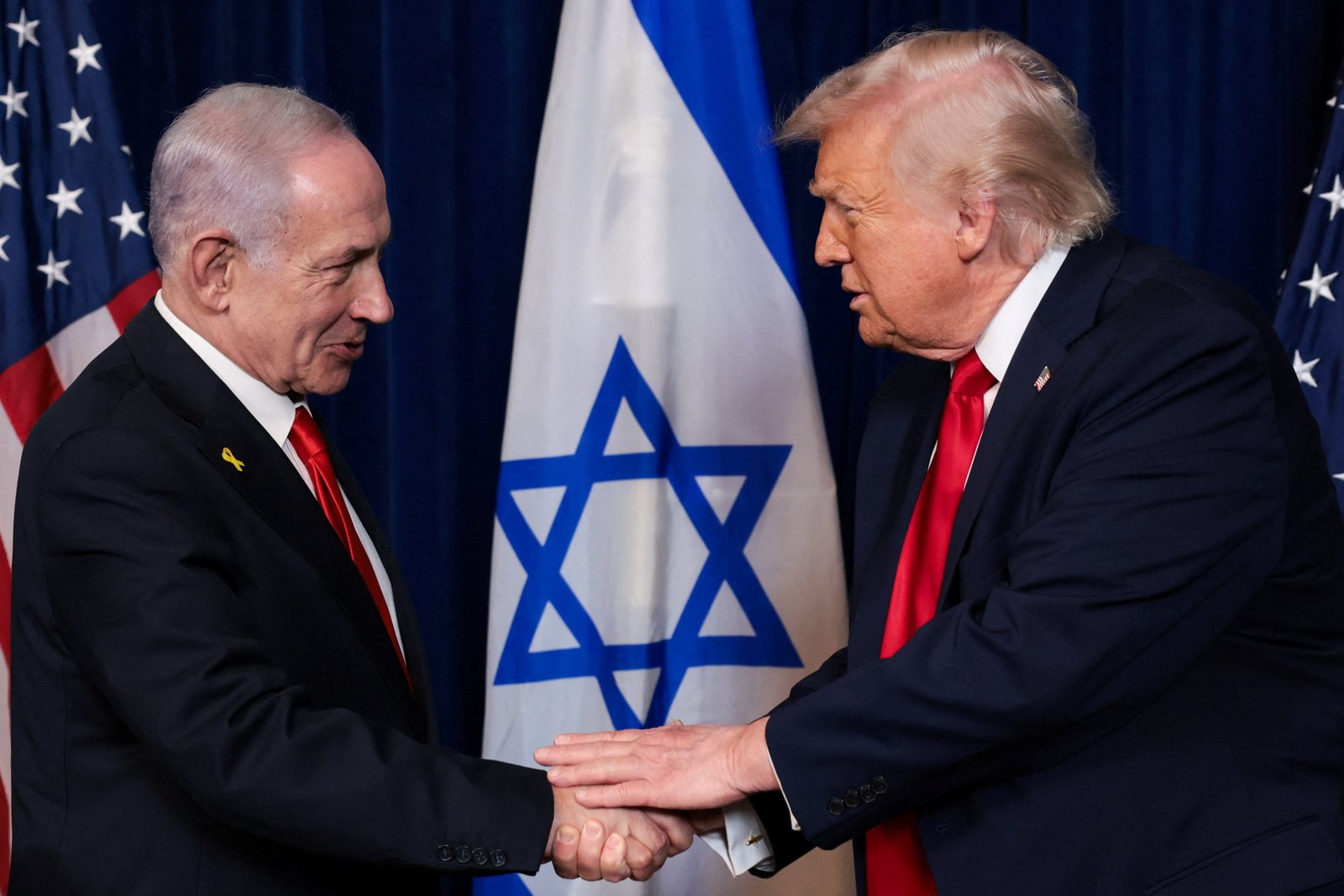
Following a recent trip to teh united States, Israeli Prime Minister Benjamin Netanyahu appeared to secure significant backing from President Donald Trump. After their discussions, Trump lauded Netanyahu as a “hero,” emphasizing Israel’s adherence to the US-facilitated Gaza ceasefire agreement.
Current Landscape of the Gaza Ceasefire Agreement
The ceasefire, brokered by the US in October 2025, was designed as a phased approach to stabilize Gaza.The first stage included an exchange of prisoners-both alive and deceased-alongside humanitarian aid deliveries and a halt on frontline hostilities. The next phase aims at establishing a technocratic “board of peace” to administer Gaza and deploying an international security force responsible for maintaining order.
Despite these plans,Netanyahu has withheld full authorization for critical aid shipments into Gaza. He insists that progress toward phase two depends on Hamas returning the remains of the last captive and demands Hamas’ disarmament before any Israeli military withdrawal-a position strongly endorsed by Trump during their Florida meeting.
Why phase Two Remains Stalled: Underlying Complexities
Hamas rejects external calls for disarmament, framing it as an internal Palestinian matter requiring dialogue among Palestinian factions themselves. This deadlock raises speculation about whether Netanyahu is deliberately delaying further steps-and what his motivations might be.
Main Drivers Behind Netanyahu’s Strategy
- Influence from Israel’s Right-Wing Coalition:
Netanyahu leads one of Israel’s most right-leaning governments in recent history. Hardline figures such as National Security Minister Itamar Ben-Gvir and Finance Minister Bezalel Smotrich have openly opposed ceasefires or prisoner releases while advocating continued occupation policies.
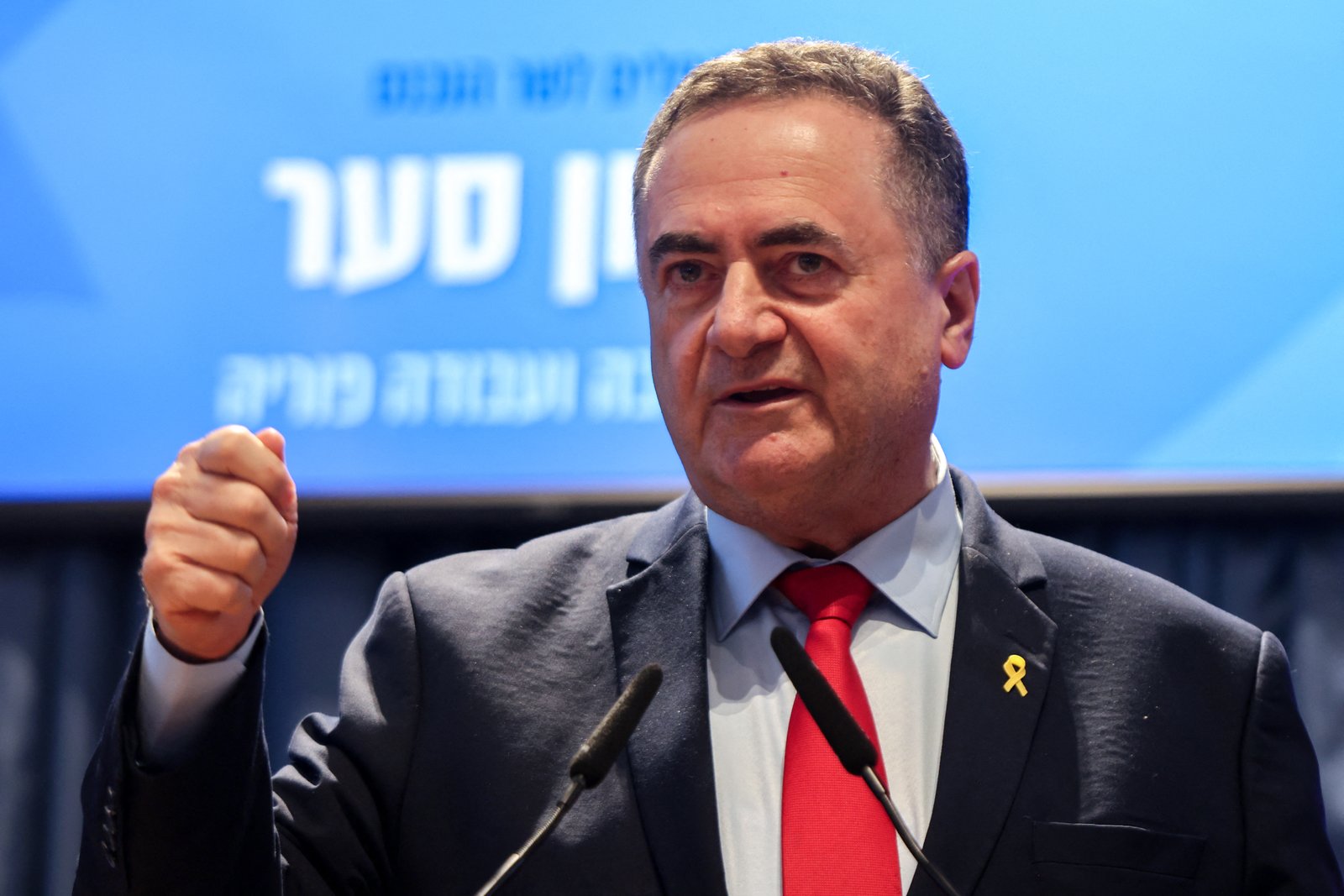
Defence Minister Israel Katz has also voiced hesitation about fully honoring commitments made in October; during a West Bank settlement expansion event he implied Israeli forces might maintain presence in Gaza indefinitely to support further settlements-a stance later softened under US diplomatic pressure. - Avoidance of Foreign Military Deployment:
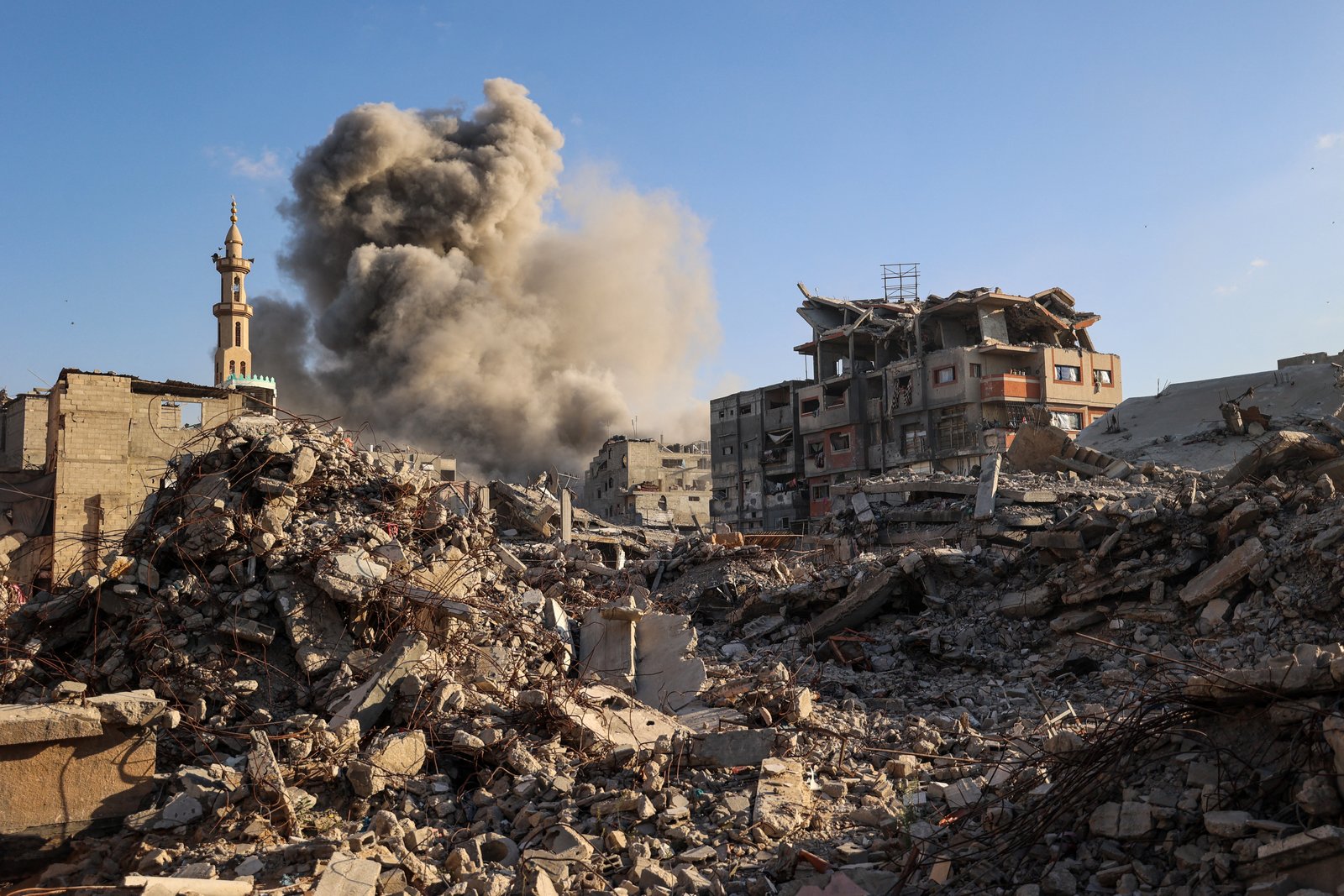
Introducing international peacekeepers into Gaza would limit Israel’s operational freedom within it’s borders or restrict re-entry when deemed necessary. Since halting active combat on October 10th alone,over 450 casualties have been reported inside Gaza due to Israeli strikes.
Politically, allowing foreign troops risks internationalizing what Israel prefers as a localized conflict against Hamas militants-potentially undermining sovereignty claims and complicating command decisions.
Domestically, conceding control could provoke backlash among nationalist supporters who view such moves as yielding under external pressure rather than asserting independent authority. - Resistance toward Advancing Two-State Solution Prospects:
While not explicitly part of ceasefire terms, language encouraging dialogue toward peaceful coexistence is often interpreted as laying groundwork for eventual two-state resolution.
As his 2015 campaign launch, Netanyahu has openly opposed this vision; at recent UN addresses he condemned efforts recognizing Palestinian statehood as “irrational.”
Ongoing settlement expansions-including projects near East Jerusalem’s E1 corridor-are strategically designed to disrupt potential palestinian territorial continuity.
This tactic was candidly acknowledged by Finance Minister Smotrich who stated these developments effectively “bury” any realistic chance for future Palestinian statehood. - The Political Advantage Gained From Renewed Conflict:
Amid multiple domestic challenges-from corruption allegations to contentious debates over ultra-Orthodox conscription-and facing an uncertain election year, renewed hostilities could politically benefit Netanyahu.
A flare-up involving Hamas or regional actors like Hezbollah or Iran might enable him to consolidate power by rallying national unity around security concerns while diverting attention from internal controversies.
This strategy aligns with historical patterns where leaders leverage wartime leadership roles during precarious political times.
The Wider Impact on regional Stability
If current stalemates persist without meaningful progress toward phase two or broader political solutions, humanitarian conditions inside Gaza will continue deteriorating (with shortages worsening daily), while hopes for lasting peace grow increasingly fragile. the tension between preserving tactical advantages domestically versus fulfilling international agreements remains central behind closed-door policy decisions.
An Ever-Shifting Political Habitat Demands Vigilance
The interplay between intense domestic political pressures within Israel’s coalition government and strategic calculations regarding military autonomy explains why advancement stalls despite public endorsements supporting peace initiatives. Recent data reveals ongoing violence despite formal agreements-with more than 450 fatalities reported since the ceasefire took effect-the urgency surrounding effective enforcement mechanisms becomes clearer than ever before.
Navigating Diplomatic Commitments Versus Ground Realities
The path forward requires balancing competing priorities: appeasing hardline coalition members demanding strict security measures; managing global expectations closely tied with US diplomacy; addressing urgent humanitarian crises within besieged areas; all while contending with volatile electoral politics that incentivize brinkmanship over compromise.