Big Tech’s Expanding Carbon Credit Investments Amid AI Revolution
AI Development Fuels Surge in Carbon Offset Acquisitions
The swift advancement of artificial intelligence has led to a significant increase in carbon credit purchases by major technology firms aiming to offset the environmental toll of their rapidly growing,energy-demanding infrastructures.
industry leaders such as Amazon, Alphabet (Google’s parent company), Meta, and Microsoft have notably amplified their commitments to permanent carbon removal credits since the AI surge accelerated after ChatGPT’s launch. This reflects a strategic response to counterbalance emissions generated by the construction and operation of expansive data centers that power refined AI applications.
Magnitude and Growth Trajectory of Carbon Credit Purchases
together, these corporations are expected to allocate close to $700 billion this year toward initiatives supporting their AI-driven expansion. A significant share is dedicated specifically to developing large-scale data centers whose electricity consumption significantly elevates carbon footprints.
Data from leading carbon credit tracking platforms reveal an remarkable leap-from roughly 14,000 metric tons offset in 2022 up to nearly 12 million metric tons in 2023. Forecasts predict this upward trend will continue exponentially with estimates nearing 24 million credits in 2024 and surpassing 68 million by 2025.
The Fundamentals of Carbon Credits Explained
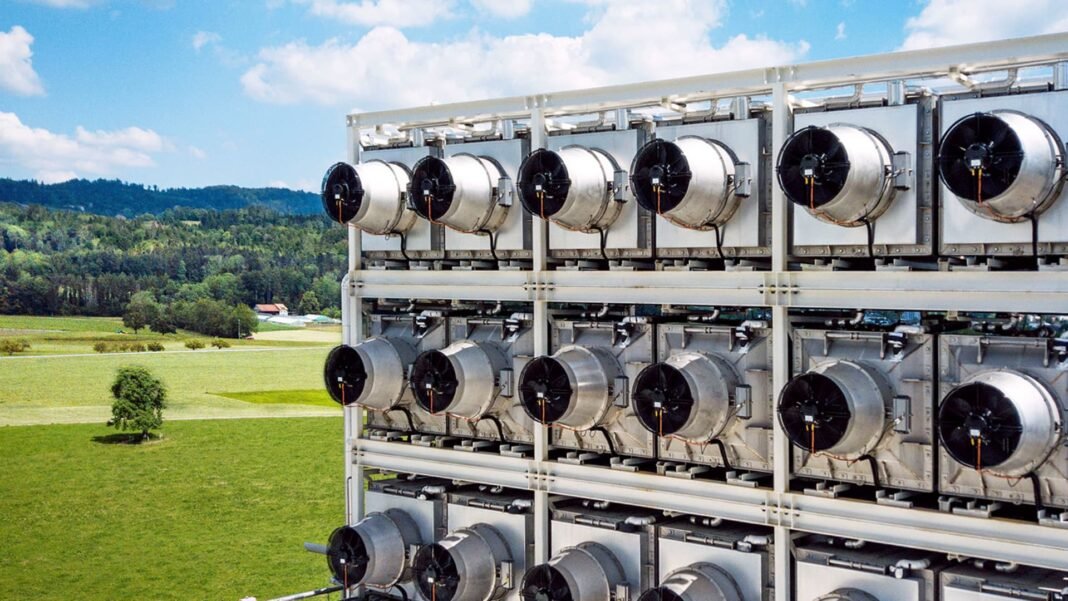
A single carbon credit represents one metric ton of CO2 either removed from or prevented from entering the atmosphere. These offsets finance diverse projects ranging from urban tree planting initiatives replacing concrete jungles with green spaces, to advanced technologies like direct air capture (DAC) systems that extract CO2 directly from ambient air.
This mechanism enables companies pursuing net-zero goals to compensate for emissions they cannot eliminate outright-an especially vital strategy given the soaring energy requirements tied to scaling global AI infrastructure.
Differentiating Permanence Among Carbon Removal techniques
Ceezer’s research emphasizes permanent removals; however, some organizations including Microsoft also invest heavily in sequestration methods varying by durability-classified as high, medium, or low permanence. As a notable example, urban reforestation projects may lock away carbon for several decades but generally less than a century compared with DAC facilities engineered for millennia-long storage stability.
The Complexity Behind transparency and Reporting Practices
Lumpy bulk purchases spread over multiple years can skew annual reporting figures. Additionally, no regulatory framework currently mandates full public disclosure of all transactions. Initial doubts about whether certain credits genuinely represent emission reductions may have contributed historically to limited transparency among buyers.
The Critical Importance of Advanced Carbon Removal Solutions
“With clean energy supply constrained amid surging demand for AI infrastructure growth, achieving net-zero emissions without robust carbon removal technologies is virtually impractical,” industry specialists assert.
This encompasses innovative approaches such as enhanced mineralization processes that accelerate natural CO2-capturing reactions within soils or rocks alongside mechanical extraction methods exemplified by DAC plants-the largest operational facility recently demonstrated removing thousands of tons annually at scale across multiple continents.

A paradigm Shift Toward Enduring Climate Strategies
The rapid increase since late 2022 aligns closely with global scientific consensus emphasizing widespread deployment of negative emission technologies as essential tools against surpassing critical warming thresholds like +1.5°C above pre-industrial levels.
This evolution signals movement beyond isolated pilot programs toward long-term contracts securing future supply chains while stabilizing market demand-encouraging private sector innovation worldwide focused on residual emission mitigation integrated into corporate sustainability frameworks.
Sustainability Trailblazing: Microsoft’s Multifaceted Approach
An early leader within this domain, Microsoft demonstrates proactive engagement through its diversified portfolio encompassing both permanent removals and shorter-term offsets spanning various durability categories. The company reported acquiring five million credits during fiscal year (FY) 2023-a more than twofold increase compared with FY22-and anticipates doubling acquisitions again moving into FY24 based on internal disclosures differing slightly from third-party datasets focused solely on permanence criteria.
“Our ambition extends beyond mere emission reduction-we strive not only for neutrality but achieving negative net impact before decade’s end,” states Microsoft’s chief sustainability officer highlighting ongoing investments targeting scalable solutions capable of driving systemic change globally.”
The Complementary Role Renewable Energy Plays Alongside Offsets
Ceezer platform insights indicate that despite rising computational demands linked directly with expanding AI workloads among hyperscale cloud providers-including Google cloud Platform and Amazon Web Services-the overall greenhouse gas emissions growth remains relatively contained due largely to accelerated adoption rates for renewable electricity powering these facilities rather than exclusive reliance upon purchased offsets alone.
- Diversification Efforts: Firms are investing not only into offset markets but also emerging startups developing low-carbon materials suitable for sustainable construction practices supporting new data center builds;
- Ecosystem Collaboration: Strategic partnerships between technology companies foster innovation ecosystems aimed at reducing embodied emissions embedded throughout complex supply chains;
Tensions Between Ambitious Goals And Operational Realities
< p > While aggressive acquisition campaigns demonstrate serious climate commitment ,critics caution against viewing compensatory buying alone as sufficient . True progress requires fundamental redesigns focusing on hardware efficiency improvements , software optimization , plus transitioning fully toward renewable power sources – thereby minimizing dependence upon external offset mechanisms altogether . < h3 > Future Outlook: Evolving Corporate Climate Accountability
< p > Industry leaders recognize ideally reliance on purchased removals should decline over time if technological breakthroughs enable cleaner production pathways . As one climate finance executive observed : “The ultimate objective is phasing out necessity altogether – meaning success environmentally coupled with economic gains through smarter design choices.” Concurrently , evolving policy frameworks worldwide promote clearer reporting standards alongside incentives accelerating adoption across sectors most impacted by digital change trends .
< h1 >Conclusion: Harmonizing technological Innovation With Environmental Responsibility
< p > The intersection between artificial intelligence proliferation and environmental stewardship presents multifaceted challenges demanding comprehensive responses . Big Tech’s unprecedented rise in permanent carbon credit procurement underscores acknowledgment that addressing residual emissions must accompany ambitious expansion plans . Yet lasting success hinges equally upon deeper integration of renewables within operations while fostering innovations reducing inherent resource intensity tied specifically to next-generation computing infrastructures . Together these strategies offer promising avenues aligning technological advancement harmoniously alongside planetary health imperatives – ensuring future generations inherit both smarter tools & cleaner air alike .