Pro-Palestine Activists Launch Legal action Over Prison Conditions After Hunger Strike
A cohort of pro-palestine campaigners, recently released on bail after enduring a prolonged hunger strike during incarceration, is now preparing to pursue legal claims addressing alleged mistreatment and neglect while imprisoned.
Detention and the Hunger Strike: A Timeline
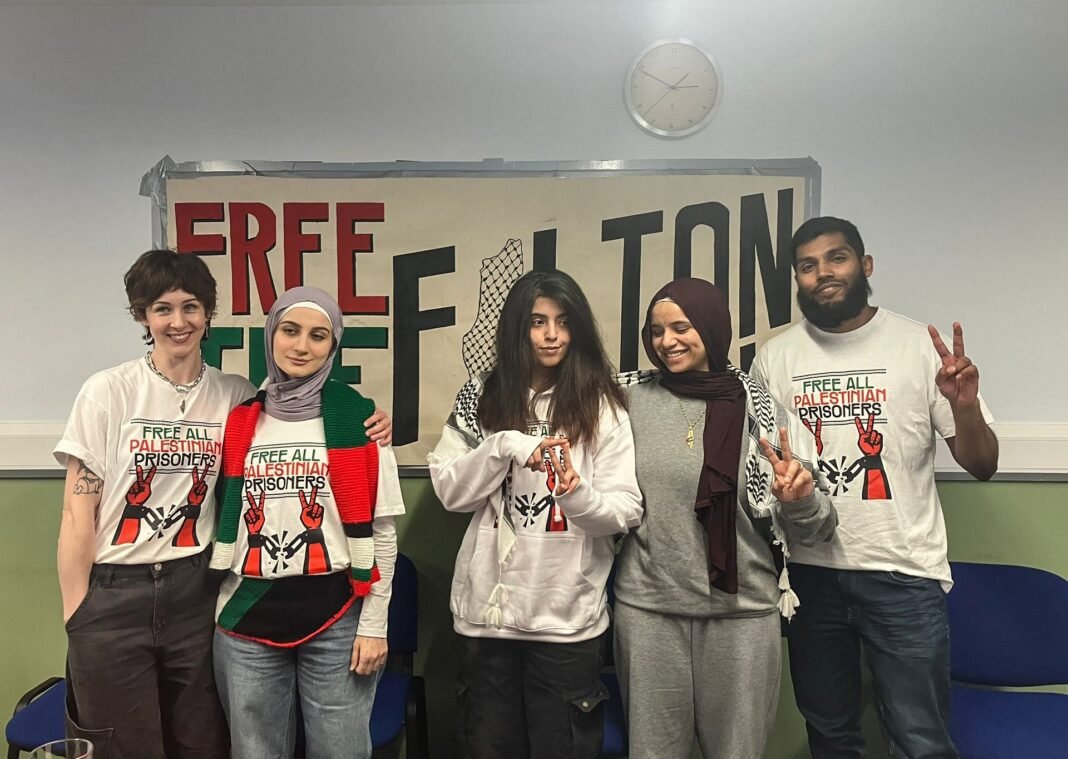
From November through January,eight young activists affiliated wiht Palestine Action undertook a staggered hunger strike to protest their detention conditions. These individuals were apprehended following a police raid on the Elbit systems UK facility near Bristol in August 2024. After spending up to 15 months in pre-trial custody, four-Qesser Zuhrah (21), Teuta Hoxha (30), Kamran Ahmed (28), and Heba Muraisi (31)-were granted bail after a high Court ruled that the ban on Palestine Action was unlawful.
Lasting Health Effects from Extended Fasting
The physical repercussions of these hunger strikes remain profound. Heba Muraisi, who fasted for 73 days consecutively, continues to suffer from neurological issues including severe patchy hair loss and chronic exhaustion that restricts her mobility.
“I’m still unable to walk long distances without needing breaks,” she explained. “My body and mind have yet to fully recover.”
Muraisi also described deteriorating treatment following the governmentS designation of Palestine Action as a terrorist group in mid-2025. She reported being physically assaulted until breathless, subjected repeatedly to solitary confinement, and having her keffiyeh confiscated-forcing her to improvise with a pillowcase during prayers.
The Emotional Toll of Forced Separation
An unexpected transfer far from her home further isolated Muraisi; she was not notified beforehand about this relocation. This move prevented visits from her ill mother for five months-a separation that intensified emotional hardship throughout her imprisonment.
A Pattern of Deliberate Isolation and Abuse Tactics
Other detainees recount similar experiences pointing toward systematic efforts aimed at breaking their morale. Qesser Zuhrah spoke about intentional isolation measures designed to prevent prisoners forming bonds or solidarity networks-particularly targeting young Muslim inmates like herself.
“I felt erased-as if I were invisible inside my cell,” Zuhrah shared tearfully while wearing prison attire reminiscent both of UK uniforms and those worn by Palestinian detainees under Israeli custody.
Zuhrah detailed incidents where guards physically attacked her after she advocated for humane treatment for another prisoner suffering claustrophobia and suicidal ideation. During nearly 50 days without food amid the strike, she required hospitalization but was denied critical electrolytes essential for survival.
Mental Cruelty Beyond Physical Abuse
the activists also report psychological torment: guards employed manipulative tactics such as offering food only to withdraw it abruptly at moments when prisoners’ resolve wavered. Around day 45 or 46 into his fast, zuhrah recounted being left paralyzed due to muscle wasting on his cell floor without assistance for almost an entire day-a harrowing experience he described as abandonment “to die.”
Persistent Injuries From Excessive Restraints Highlight Harsh Treatment
Kazran Ahmed endured handcuffs so tightly applied they left permanent marks weeks later despite standard protocols reserving such restraints only for high-risk detainees prone to violence or escape attempts.
Ahmed also recalled degrading conditions such as walking barefoot through unsanitary areas when using communal toilets:
“I had nothing but socks while navigating floors stained with urine and feces,” he grimly remembered.
The Impact Within Prisons: Witnessing Threats Against Activists
Teuta Hoxha underwent two separate hunger strikes over fifteen months awaiting trial; during one period she lost roughly twenty percent of her body weight while being restrained tightly like an animal during hospital stays. She witnessed guards threatening inmates with decades-long sentences merely for uttering “free palestine.” when raising these threats directly with prison counterterrorism officials-secured through negotiations linked with the hunger strike-the response trivialized their concerns by dismissively comparing them using neo-Nazi symbolism analogies.
An Unbroken Resolve Amid Repression
“The british state exerted every effort-but failed-to extinguish our resistance,” Tauta hoxha declared firmly at an event where former prisoners openly discussed ongoing health challenges caused by neglectful incarceration practices.
The Upcoming Legal Challenge Amid Government Appeals
- This collective known informally as “Filton 24” denies all charges including burglary-related accusations tied directly to actions against military contractors connected with Israeli defense operations;
- twenty-three members have been released on bail except Samuel Corner who remains detained facing additional assault allegations;
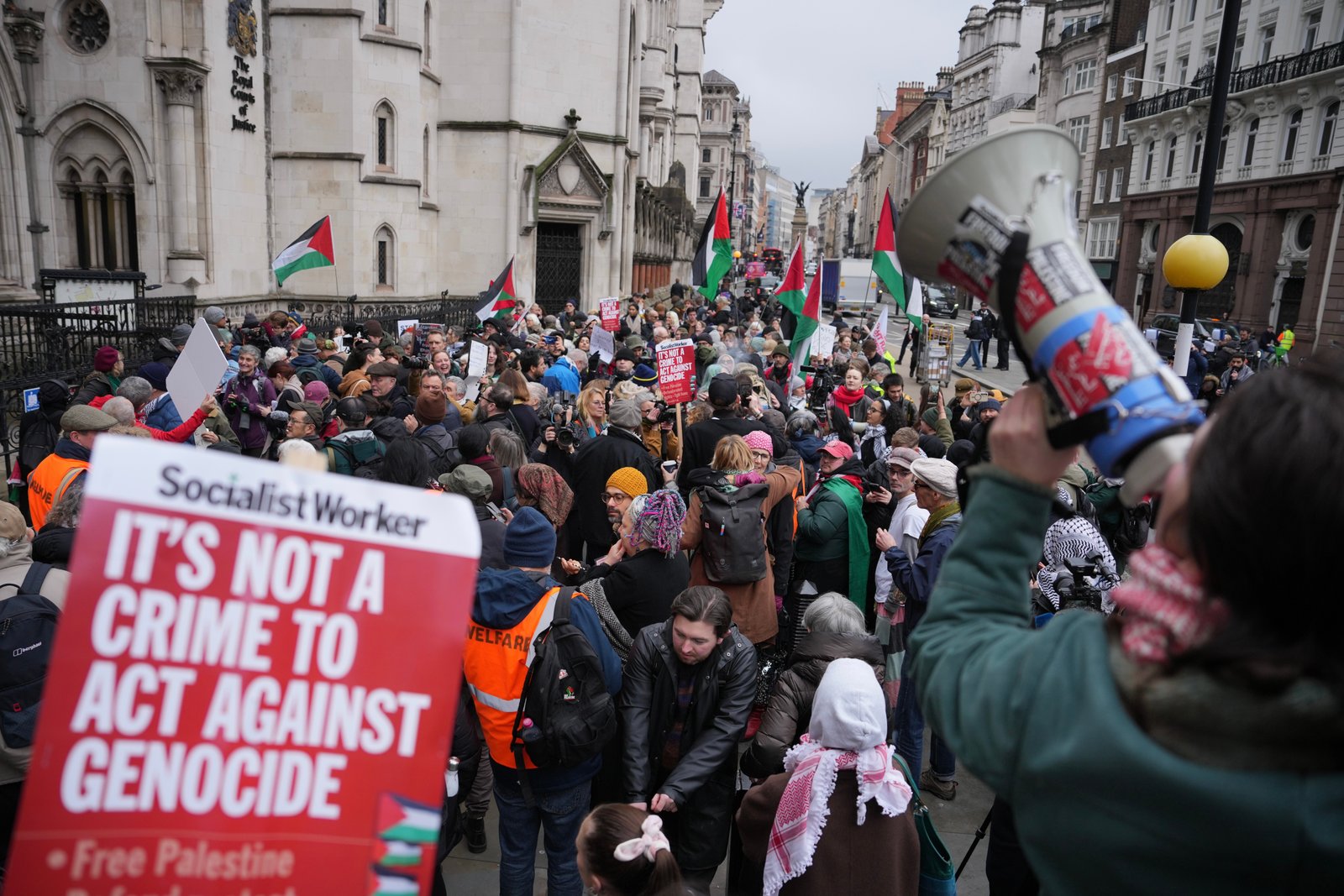
- An appeal filed by government authorities contests last year’s court ruling overturning Palestine Action’s ban-with hearings scheduled soon;
This group continues pressing demands for accountability regarding medical neglect claims throughout detention periods marked by refusals of force-feeding combined with inadequate healthcare despite critical needs documented extensively across multiple testimonies presented publicly at recent London briefings.