Oil Market Responds to evolving Developments in Iran Conflict
fluctuations in Global Oil Prices Amid Middle East Unrest
during early trading hours in Asia, crude oil prices experienced a pullback following initial advances as market participants assessed the latest updates on the ongoing conflict involving Iran. West Texas Intermediate (WTI) futures for May delivery declined by 0.72%, closing near $102.14 per barrel, while Brent crude slipped about 1% to settle at $111.55 per barrel.
U.S. Indicates Possible De-escalation Despite Strait of Hormuz Closure
The U.S.government has signaled openness to pausing military actions against Iran even if the strategically crucial Strait of Hormuz remains blocked-a vital maritime passage that typically facilitates around 20% of global seaborne oil shipments. Since hostilities intensified late February, shipping through this corridor has nearly halted, raising concerns over energy supply disruptions worldwide.
Kharg Island’s Role and Regional Energy Infrastructure Vulnerabilities
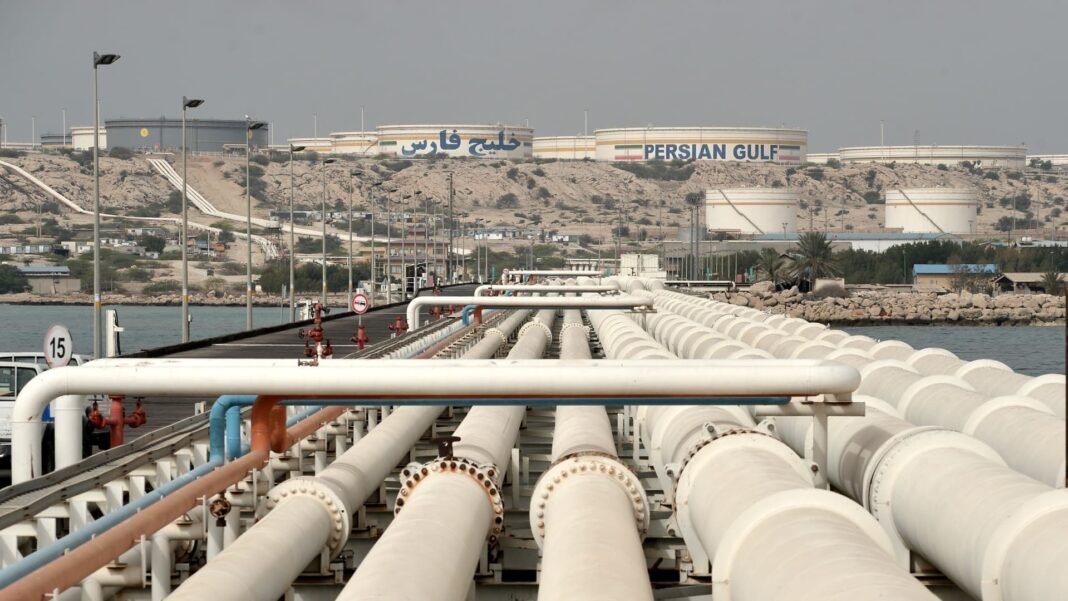
Kharg Island stands as a pivotal export terminal for Iranian crude oil, managing approximately 90% of the nation’s outbound shipments. Discussions within U.S. defense circles have considered potential ground operations targeting this facility; however, experts warn such moves could lead to increased American casualties and prolong conflict duration substantially.
Heightened Threats Targeting Civilian Energy Installations
The U.S. President has issued firm warnings regarding expanded assaults on Iran’s civilian energy infrastructure should Tehran refuse to reopen key maritime routes or accept peace proposals. Facilities such as power plants and water desalination units-critical for millions across the region-have been specifically highlighted as potential targets.
Recent Escalations Illustrate Growing Hostilities
This past week marked an attack on a fully loaded Kuwaiti oil tanker docked near Dubai port, triggering emergency firefighting responses from local authorities; fortunately, no injuries have been reported so far amid rising tensions.
Divergent Stances Impede Progress Toward Ceasefire Agreement
While Washington asserts that Tehran has agreed to most elements within a proposed 15-point ceasefire framework, Iranian officials publicly reject these terms and insist on retaining control over strategic waterways like the strait of Hormuz as non-negotiable conditions for any settlement.
Navigating Between Diplomacy and Military preparedness
- The United States maintains a dual approach: expressing cautious optimism about diplomatic breakthroughs while preparing contingency plans involving additional troop deployments if necessary.
- This strategy reflects broader uncertainties about how best to ensure uninterrupted global energy flows without igniting wider regional conflicts or economic instability.
- An extended blockade or escalation risks disrupting nearly one-fifth of worldwide maritime oil transport-a scenario with profound implications for international markets and economies dependent on steady fuel supplies.
“The intricate balance between negotiation efforts and military readiness will determine not only regional peace but also stability across global energy markets in the coming months.”