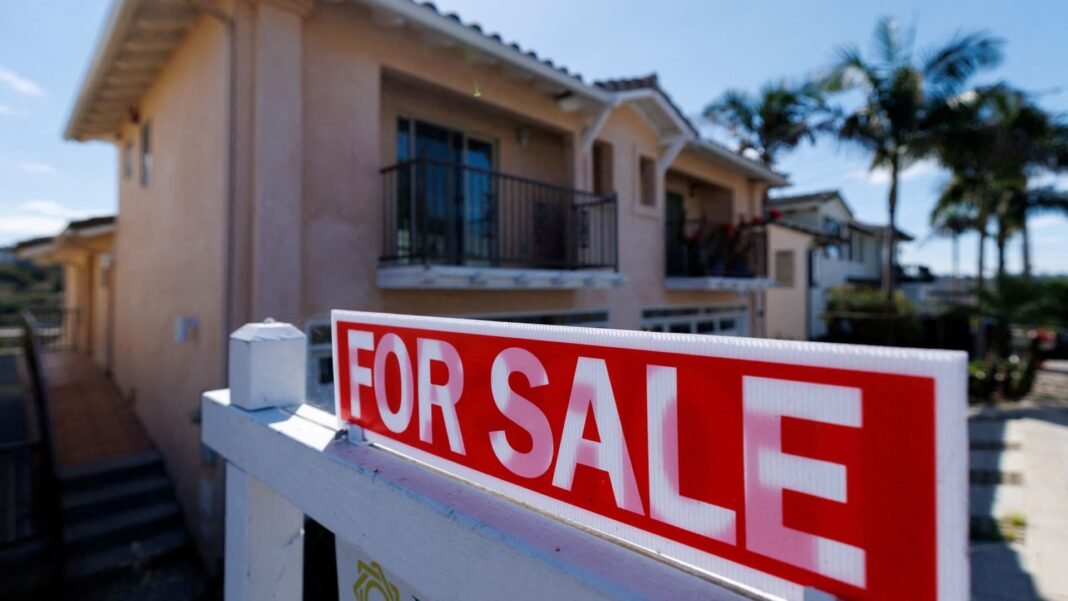
Spring Housing Market Confronts Fresh Obstacles Amid global Instability
The spring season,usually a bustling time for home transactions,is facing unforeseen difficulties this year.Rising geopolitical tensions in the Middle East, especially the ongoing conflict involving Iran, have unsettled the U.S. housing market by undermining buyer confidence and altering economic conditions.
Rising mortgage Rates Shift Buyer Perspectives
Contrary to earlier forecasts anticipating a drop in mortgage rates this spring, interest on 30-year fixed loans has climbed from just below 6% to nearly 6.5%, reaching levels not seen since before the pandemic era. This surge has notably dampened enthusiasm among prospective homeowners.
Industry experts nationwide report that worries about increasing borrowing expenses and overall economic stability now overshadow concerns about home prices themselves. In fact, only around 9% of agents identify pricing as their clients’ primary challenge-a sharp decline compared to previous quarters.
Economic Uncertainty Outweighs Price Worries
A recent poll of real estate agents across multiple U.S. regions found that approximately one-third of buyers are more troubled by macroeconomic issues such as job security and inflation then by property values alone.Another third cite fluctuating mortgage rates as their main source of apprehension.
“Buyers are growing more hesitant due to doubts over employment prospects and rising energy costs,” shares an agent from Austin who has witnessed a slowdown in buyer activity firsthand.
Market Activity reflects Changing Buyer Behavior
This shift in mindset is evident through measurable trends: homes are staying on the market longer before selling. Currently, about 31% of listings remain unsold beyond six weeks-a meaningful increase compared with late last year’s data.
The increased caution among buyers has also led to more frequent contract cancellations; over half of surveyed agents reported at least one deal falling apart recently because buyers reconsidered amid financial uncertainty.
Sellers Adapt Strategies Amid Extended time on Market
Sellers now express greater concern over how long their properties linger unsold rather than focusing solely on price cuts. Nearly 37% of agents indicate that time-on-market is currently sellers’ top worry-marking a shift away from prior emphasis where almost half prioritized adjusting prices first.
Despite these challenges, fewer sellers have withdrawn listings entirely compared with previous periods-likely influenced by seasonal buying patterns during early spring when mortgage rates briefly dipped mid-quarter before climbing again.
Diverse Regional Patterns Reveal Varied Price Trends
While many markets report stable or slightly declining home values,some areas continue experiencing upward price pressure despite nationwide affordability challenges:
- Certain urban centers like Seattle have recorded modest price gains fueled by limited inventory combined with steady demand from tech professionals relocating post-pandemic;
- simultaneously occurring,parts of Georgia show softening prices amid increased supply following rapid growth phases earlier this decade;
- This patchwork pattern highlights how local economic factors strongly influence housing dynamics beyond national averages.
The Affordability Challenge Remains Pressing Despite Expectations
An increasing number of potential buyers find themselves priced out or discouraged primarily due to rising monthly payments linked directly to higher interest rates rather than sticker shock alone; nearly one-fifth report abandoning purchase plans altogether because affordability constraints have intensified-up sharply from last year’s roughly ten percent figure expressing similar concerns.
Sellers Reevaluate Timing Amid Market Uncertainty
A growing share of homeowners initially planning spring sales are postponing until later months or even autumn after reassessing current conditions:
- cautious sellers prefer waiting for clearer signals regarding future interest rate movements;
- Some owners want to secure new residences first before listing existing properties;
- This strategic delay reflects widespread uncertainty affecting both sides of transactions today;
“Several clients who planned early listings decided instead they’d wait until summer or fall when they feel more confident about timing,” says an agent working near Chicago suburbs where seasonal shifts strongly impact activity cycles.
looking Ahead: Balanced Expectations Temper Spring Optimism
The majority-but not all-real estate professionals maintain cautious optimism that conditions will improve as warmer months advance; however, confidence levels have noticeably declined compared with pre-conflict projections made late last year without looming geopolitical risks.
More agents now anticipate market stability rather than growth during what typically represents peak buying season across most U.S markets.
This tempered outlook reflects persistent headwinds posed by elevated borrowing costs combined with global uncertainties influencing consumer behavior broadly within today’s real estate landscape.