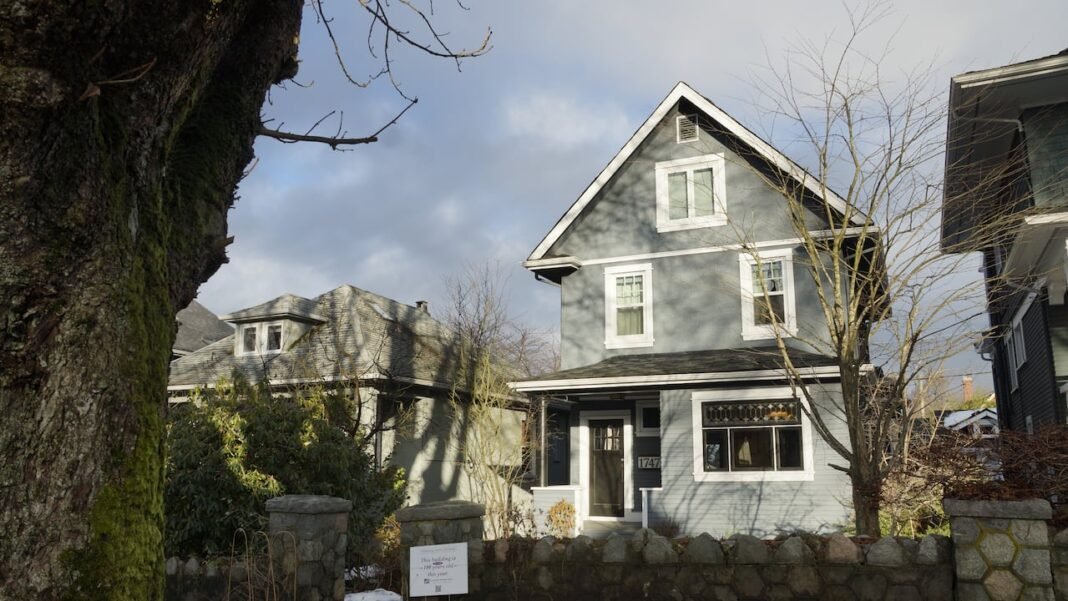
Millennials and Home Ownership: transformations in British Columbia’s Housing Scene
Statistics Canada data reveals a continuing pattern: millennials are far more likely to live with their parents and less prone to owning homes compared to baby boomers at the same age. Yet, an engaging exception appears when focusing on married individuals aged 25 to 39-home ownership rates among married millennials closely mirror those of baby boomers from decades ago.
Changing Family Structures and their Influence on Housing Choices
The rates of marriage and parenthood have dropped considerably among millennials, especially in urban hubs like Metro vancouver. In 1991, nearly 58% of adults between 25 and 39 were married; by 2021, this number had fallen sharply to around 35%.Since marriage often correlates with purchasing property, this demographic shift directly impacts home ownership trends.
Additionally, ownership of single detached houses-a traditional symbol of family living-has declined dramatically in Metro Vancouver from about 36% in the early ’90s to just over 12% by the start of the last decade. This trend reflects both changing lifestyle preferences and escalating affordability challenges.
The Economic Pressures Shaping Millennial Housing Decisions
Younger generations face complex financial hurdles.Millennials typically graduate burdened with higher student debt due to soaring education costs while entering labor markets where inflation-adjusted wages have stagnated or even decreased compared with those earned by baby boomers at similar life stages.
This economic squeeze compels many millennials into extended renting periods or multigenerational households. For example, Sarah Nguyen, a graphic designer living solo in Victoria, pays upwards of $2,200 monthly for a modest one-bedroom apartment despite earning a stable income-far removed from her youthful dream of owning a cozy home with space for children.
Consistent Home Ownership Among Married Millennials
Despite widespread financial obstacles affecting young adults’ ability to buy homes approximately 78% of married millennials raising children owned their residences as recently as 2021-the same proportion recorded for married baby boomers thirty years prior. This highlights that marital status remains one of the strongest indicators for home ownership across generations.
Evolving Perspectives on Marriage and Family Life
A growing segment within younger populations prioritizes autonomy over traditional institutions like marriage. Many opt for committed partnerships without formal legal or religious recognition. Sarah Nguyen observes that her contemporaries often cherish independence and exploration outside conventional family frameworks.
The Ripple Effect on Urban Real Estate Markets: Insights from Metro Vancouver
The housing market pressures seen in cities such as Vancouver exemplify broader national patterns but also reveal unique regional challenges caused by high demand coupled with limited housing supply-factors that have driven prices up more than fourfold since the early ’90s according to recent real estate board reports.
“Housing affordability has become such a critical barrier that it reshapes major life decisions-from postponing parenthood indefinitely to foregoing it altogether,” explains an urban policy analyst.
(Expert commentary)
Policy Directions Aimed at Easing Millennial Housing Struggles
- Resource reallocation: Shifting funds currently allocated toward wealthier seniors’ old age security benefits toward rent assistance programs could help alleviate housing stress experienced by younger Canadians.
- Childcare expansion: Increasing access to affordable childcare would reduce financial strain related to child-rearing while supporting greater workforce participation among parents.
- Diverse housing models: Promoting alternatives beyond single detached homes can offer affordable options tailored for smaller households or non-traditional family units prevalent today’s society demands.
A Broader View on Well-Being beyond Conventional Milestones
Mental health professionals emphasize that personal fulfillment is not solely tied to property ownership or early family formation but can be achieved through diverse experiences shaped individually rather than dictated socially.
Sarah Nguyen embraces this outlook: “Life now holds more meaning through simple pleasures like exploring vibrant neighborhoods rather than chasing outdated milestones.” Her experience illustrates how many navigate modern realities creatively despite economic constraints.

This shifting environment underscores not only economic factors but also cultural changes influencing how younger generations define success and stability amid evolving societal norms throughout British Columbia’s metropolitan regions today.