Analyzing the Effects of Halting the federal gas Tax on Fuel Costs and Infrastructure Funding
The Federal Gas Tax: Purpose and Variations Across States
The federal government levies an excise tax of 18.4 cents per gallon on gasoline and 24.4 cents per gallon on diesel,which plays a vital role in financing national transportation infrastructure projects. State-level gas taxes add another layer to fuel costs, ranging dramatically-from roughly 7 cents in states like Alaska to over 70 cents in California-impacting what drivers pay at the pump.
In response to surging fuel prices, several states such as Georgia, Indiana, Kentucky, and Utah have recently implemented temporary reductions or suspensions of their own gas taxes to provide some relief for consumers.
Political Momentum Behind Suspending the federal Gas Tax
Amid escalating fuel prices driven by global conflicts including tensions involving Iran, political figures have advocated for a temporary halt on the federal gas tax. Following public endorsements from former President Donald Trump supporting a pause “for a period,” lawmakers like Senator josh Hawley (R-Mo.) introduced bills proposing suspension of these taxes for at least three months.
Similarly, Representative Anna Paulina Luna (R-Fla.) has announced intentions to propose legislation aimed at pausing federal fuel taxes temporarily. Earlier bipartisan efforts by Senators Mark Kelly (D-ariz.) and Richard Blumenthal (D-Conn.) sought similar suspensions through October but have yet to progress through Senate committees.
Current Trends in Fuel Prices Amid Seasonal Demand
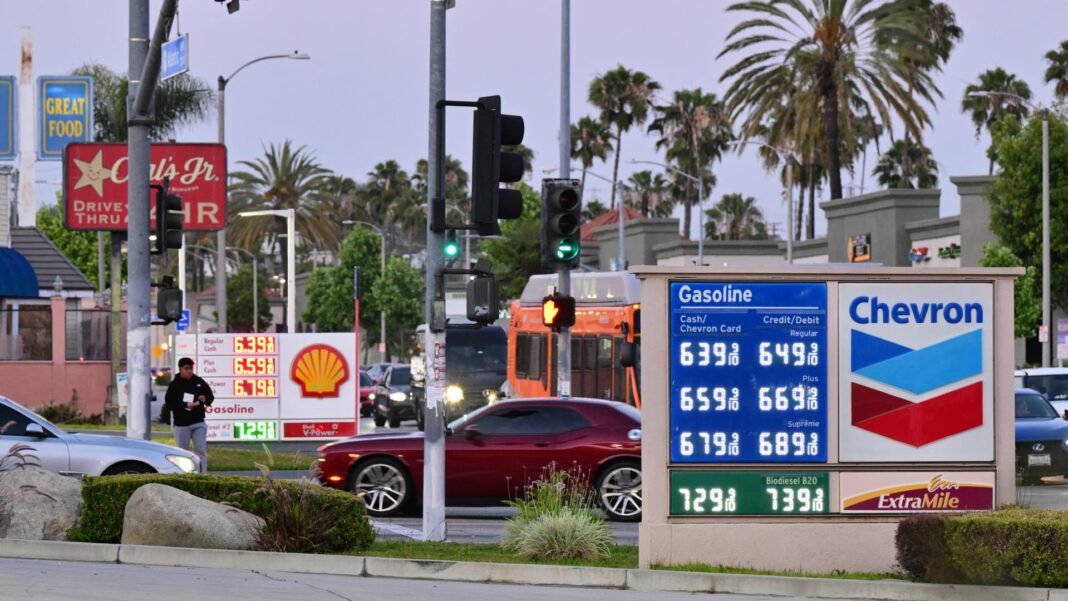
The summer travel season typically triggers higher gasoline demand leading to price increases; historically retail prices peak during late summer months.Presently,average U.S. gasoline costs hover near $4.50 per gallon-a nearly 50% rise since hostilities intensified around Iran-placing additional financial pressure on households nationwide.
This spike has contributed significantly to declines in consumer confidence indexes tracked by institutions such as the University of Michigan’s Survey of Consumers.
Assessing Consumer Benefits Versus Fiscal Impact
A suspension or reduction of the federal gas tax could reduce pump prices modestly-potentially lowering costs by about 10-12 cents after accounting for intermediary markups-but experts warn that this relief would be limited both in scale and duration.
“Any decrease is welcome amid high pump prices but offers only marginal financial respite,” explained Mark Zandi, chief economist at Moody’s Analytics.
The Highway Trust Fund: Financial Challenges Ahead
A key factor is that revenues from these excise taxes support the Highway Trust Fund responsible for maintaining america’s roads and bridges. This fund faces mounting fiscal strain due not only to inflation-driven construction expenses but also increasing infrastructure demands nationwide.
“Tho seemingly minor upfront, cutting these revenues carries notable fiscal consequences,” noted Adam Hoffer from the Tax Foundation.
“The trust fund currently operates with deficits threatening its capacity to finance essential infrastructure projects.”
Navigating Short-Term Relief Against Long-Term Infrastructure Needs
Financial analysts caution that while consumers might experience immediate savings if federal gas taxes are paused temporarily, this approach risks undermining critical funding required for road repairs and other vital services supported by these funds:
“A temporary pause may ease consumer burdens briefly but jeopardizes investments crucial for maintaining our transportation networks,” said Certified Financial Planner Stephen Kates from Bankrate.
“This trade-off demands careful consideration.”
Real-Life Consequences Beyond Economic Figures
- Case Study: In early 2026 texas implemented state-level gas tax holidays when local fuel prices exceeded $5 per gallon; while drivers enjoyed slight savings at pumps initially, many counties faced budget shortfalls leading them to delay scheduled road resurfacing projects due to reduced revenue streams.
- Global Viewpoint: With oil futures oscillating between $90-$120 per barrel amid ongoing geopolitical instability-including sanctions disrupting supply chains-the volatility continues shaping domestic energy policies worldwide with ripple effects across markets.
The Road Ahead: Weighing Complex Trade-Offs carefully
No simple fix exists for tackling rising gasoline expenses without repercussions elsewhere within public finance or infrastructure maintenance budgets. Policymakers must balance immediate economic relief against sustained investment needed for transportation systems essential both commercially and personally across communities nationwide.
an ongoing dialog among legislators combined with thorough analysis will be crucial before implementing measures impacting consumer finances today alongside foundational public assets tomorrow.