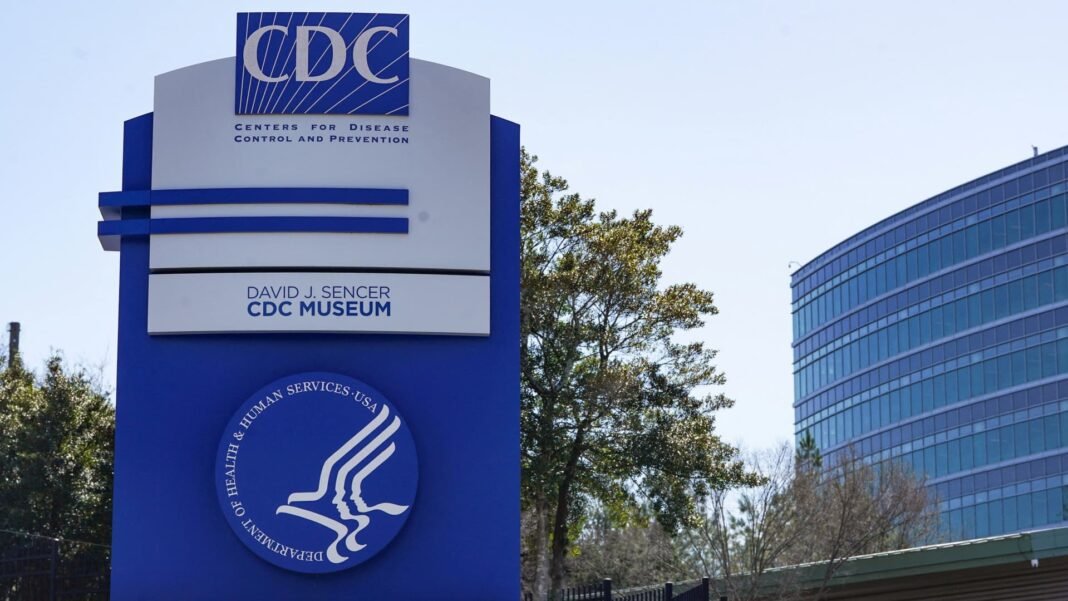
New Ebola Case in Central Africa Triggers Heightened Global Health Alert
An American working in the Democratic Republic of Congo (DRC) has recently tested positive for Ebola, underscoring ongoing difficulties faced by global health organizations in managing outbreaks within central africa. This development highlights the persistent threat posed by the virus despite international containment efforts.
Exposure Circumstances and Coordinated Medical Response
The individual contracted Ebola through work-related exposure while stationed in Congo, showing symptoms over a recent weekend before receiving confirmation late Sunday. In response, U.S. agencies such as the CDC and State Department are collaborating to evacuate this patient along with six other Americans potentially exposed to the virus.They are being transferred to Germany for advanced treatment and close monitoring.
Assessing Risk Levels for U.S. Citizens and International Travelers
Although this case is directly linked to occupational exposure abroad, officials emphasize that no confirmed Ebola infections have occurred within U.S. borders so far. The CDC continues to assert that both residents domestically and travelers face very low risk at present.
Implementation of Temporary Travel Limitations
to reduce potential transmission into the United States, a 30-day entry restriction has been imposed on non-U.S.passport holders who have recently visited regions experiencing active outbreaks-specifically those arriving from DRC, South Sudan, or Uganda within the last three weeks.
A Worldwide Emergency Declaration Amid Rising Infection Rates
This measure follows an international declaration labeling this Ebola outbreak as a “public health emergency of international concern.” While it does not meet criteria for a pandemic emergency currently,experts warn that actual infection numbers might potentially be substantially higher than reported due to under-detection and reporting delays.
Epidemiology Spotlight: Challenges Posed by Bundibugyo Ebolavirus Strain
The current outbreak is caused by Bundibugyo ebolavirus-a strain lacking approved vaccines or established treatments at this time. Historically associated mortality rates range between 25% and 50%, making it particularly severe compared with other known variants worldwide.
- Recent data indicate over 300 suspected cases across affected regions including neighboring Uganda alongside DRC.
- An estimated 88 deaths have been attributed to infections from this strain during the ongoing outbreak phase.
Pioneering Therapeutic Research Efforts Underway
In response to these challenges, scientists are actively developing monoclonal antibody therapies specifically targeting Bundibugyo ebolavirus strains-offering promising avenues toward effective clinical treatments for future outbreaks involving this variant.
Bigger Picture: Insights Drawn From Recent Viral Epidemics
this situation mirrors previous viral emergencies where emerging pathogens demanded rapid adaptation from healthcare systems worldwide-for example during recent Marburg virus flare-ups in West Africa or Nipah virus occurrences across South Asia-highlighting how zoonotic diseases continue presenting unpredictable risks requiring vigilant surveillance combined with accelerated scientific innovation.
“The dynamic nature of viral epidemics calls for unified global strategies integrating travel regulations, enhanced frontline medical care capabilities, and expedited therapeutic research.”