Alphabet’s Bold Move to Accelerate Clean Energy and data Center Expansion
Strengthening Energy Infrastructure to Support AI Growth
Alphabet,teh parent company of Google,has agreed to acquire Intersect Power-a developer focused on renewable energy projects and data center infrastructure-for $4.75 billion in cash, while also assuming the company’s existing debt. This strategic acquisition is designed to empower Alphabet with direct control over clean energy generation, addressing the surging electricity demands driven by artificial intelligence workloads across its expanding data center network.
Meeting Rising Demands for Sustainable Electricity
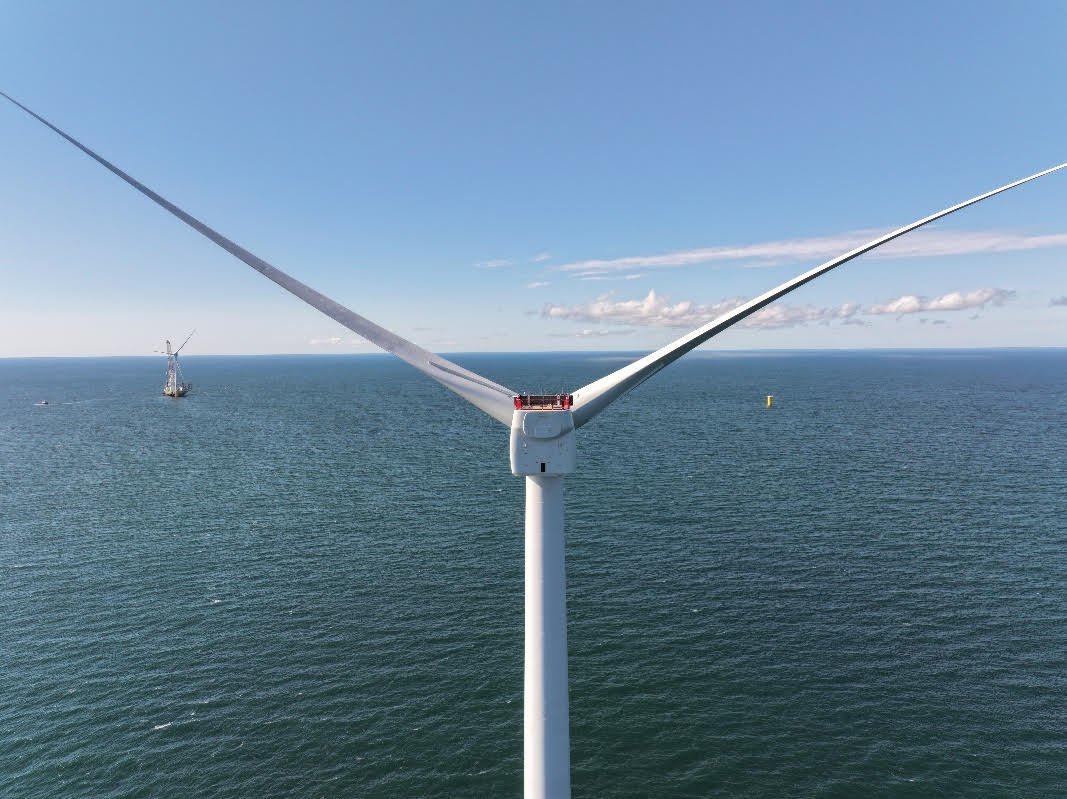
The rapid proliferation of AI technologies has placed unprecedented strain on regional power grids,which frequently fall short in supplying sufficient electricity for modern data centers. By owning renewable assets such as wind farms and solar installations located near these facilities, Alphabet aims to secure a steady and eco-friendly power supply critical for training advanced AI models efficiently.
Investment History and Long-Term Vision
This acquisition follows Alphabet’s prior minority stake in Intersect Power during an $800 million funding round led by Google alongside TPG rise Climate last year. The partnership reflects a shared ambition to invest up to $20 billion into clean energy infrastructure by 2030, underscoring Alphabet’s commitment toward sustainable technology growth.
Details of the Acquisition and Planned Developments
The agreement covers Intersect Power’s upcoming development projects but excludes its current operational assets, which will be sold separately to othre investors who will manage them independently. The new “data parks” under construction are strategically positioned adjacent to renewable resources like solar arrays, wind turbines, and battery storage systems.
These cutting-edge campuses are slated to begin operations late next year with full completion expected by 2027. Designed as industrial hubs optimized for hosting AI hardware-including equipment from third-party companies-these sites will primarily support Google’s needs while offering green-powered computing capacity for external partners seeking sustainable infrastructure.
Projected Timeline and Industry-Wide Implications
The transaction is anticipated to finalize within the first half of next year. This move exemplifies a growing trend among technology leaders who prefer investing directly in their own clean energy production rather than relying solely on traditional utility providers-a shift that enhances both sustainability targets and operational resilience amid escalating computational requirements.
“Integrating renewable power generation closely with data center operations enables companies not only to shrink their carbon footprints but also ensure continuous service availability,” industry analysts observe about this emerging model.
A Transformative Approach Toward Data Center Energy Strategy
- Sustainability: Direct ownership allows tighter management over emissions reductions aligned with corporate climate goals.
- Reliability: Locating generation facilities near computing centers reduces transmission losses and mitigates risks associated with grid dependency.
- Ecosystem Synergy: Co-located industrial parks encourage collaboration among diverse tech firms advancing AI innovations through shared resources.
An International Example: Renewable-Powered Tech Campuses Leading Change
This strategy parallels global initiatives such as Apple’s investment in green data centers powered entirely by local solar farms or Google Cloud’s expansion into carbon-free regions-highlighting how top cloud providers prioritize sustainability alongside performance improvements as foundational elements heading into 2026 and beyond.