China’s Growing Influence in Europe’s Clean Energy Shift: Spotlight on Hungary’s Battery Sector
Community Concerns Amidst Industrial Expansion
In a small hall near Debrecen, Hungary’s second-largest city, locals convened to discuss the swift emergence of battery manufacturing plants in their vicinity. Presenters highlighted the factories’ reliance on hazardous substances, considerable water consumption, and significant energy requirements.
Tensions rose as attendees voiced worries about chemical spills and questioned the political drivers behind these developments. Some drew parallels to environmental damage caused by Soviet-era heavy industries that once dominated the region.
A mother emotionally expressed her anxiety over a new factory being situated just a short distance from her child’s kindergarten, urging neighbors to advocate for their community’s health and environment.
Debrecen: Emerging Center for Battery Production
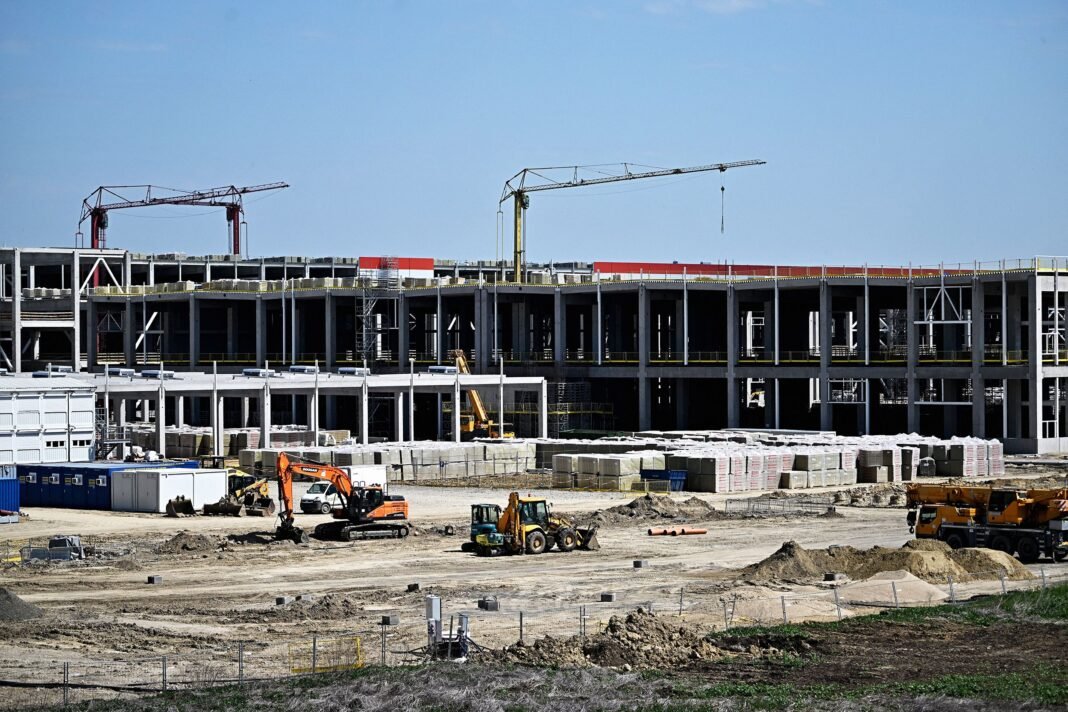
The Chinese giant Contemporary Amperex Technology Co. (CATL) is finalizing construction of what could become one of Europe’s largest electric vehicle (EV) battery manufacturing complexes. This industrial zone also includes several other producers specializing in battery parts-some owned by Chinese firms and others by South Korean companies-with additional Chinese-backed facilities underway nearby.
This rapid growth aligns with Hungarian Prime Minister Viktor Orbán’s goal to position Hungary as a key player in Europe’s battery supply chain. According to recent data, at least 20 EV-related projects supported by Chinese investors are active or planned within Hungary alone, representing over $20 billion in committed capital.
A Double-Edged Transformation
While these developments could accelerate Europe’s transition away from fossil fuels by boosting clean energy infrastructure, they have ignited local opposition due to fears about environmental harm and public health risks.
Éva Kozma leads Mikepércs Mothers for Environmental Safety-a grassroots organization formed after CATL announced its plans-to monitor pollution incidents and contest factory permits. She cautions that without stringent oversight “everyone will bear some negative consequences.”
The global Reach of China’s Clean energy Investments
Chinese corporations are aggressively expanding worldwide production capacity for EVs, batteries, solar panels, and other green technologies across Asia, Africa, Europe, and beyond. Since 2023 alone, more than $250 billion has been allocated globally toward nearly 450 clean energy manufacturing projects.
This surge is helping close critical financing gaps needed to curb global carbon emissions; recent studies estimate China-backed clean tech exports contributed to reducing international CO₂ emissions by roughly 1.5% in early 2024-comparable to removing all annual emissions from countries like portugal-and anticipate further declines as new facilities come online.
The Environmental costs Behind Rapid Industrialization
Despite promising climate benefits on paper,many initiatives face resistance due to documented ecological damage including threats to endangered wildlife habitats across Southeast Asia and Africa; contamination of freshwater sources; labour abuses; and suppression tactics against activists investigating such concerns.
Navigating Regulatory Challenges: Insights from Hungary
Liu Pengyu of China’s embassy emphasizes that Belt and Road Initiative investments promote mutual economic growth focused on poverty reduction through sustainable growth strategies-asserting no human rights violations occur within these projects.
Critics argue otherwise: since Prime Minister Orbán dissolved Hungary’s environment ministry after 2010 while tightening media control mechanisms targeting dissenters like Kozma who raise alarms about factory risks-the regulatory landscape has weakened considerably amid growing industrial activity.
Civil Society Pushback Against Industrial Expansion
- Kozma reports facing state-sponsored accusations branding her an agent undermining national interests simply for advocating community safety;
- The Mikepércs group secured European Union funding enabling outreach events throughout villages surrounding Debrecen;
- Lawsuits challenging initial permits compelled CATL to cut projected water usage estimates by approximately one-third alongside lowering forecasts for hazardous chemical emissions;
- An self-reliant air quality monitoring network established by activists detected pollution spikes coinciding with plant operations;
A Landscape Transformed From Agricultural Land Into Industry
The rural outskirts now feature expansive windowless warehouses stretching nearly half a mile alongside muddy plots reserved for future expansion-all dedicated exclusively to producing essential components such as cathodes or separator films used in EV batteries under predominantly foreign ownership including multiple chinese enterprises clustered near Debrecen city limits while adjacent villages like Mikepércs endure most direct exposure risks.
Sustainability Concerns: Water Usage & Toxic Chemicals under Scrutiny
Batteries require vast amounts of water during production phases-CATL anticipates daily consumption exceeding half a million gallons-and substantial electricity inputs which peak seasonally amid drought-prone conditions stressing regional groundwater reserves already deemed vulnerable according to expert assessments released shortly after project announcements began circulating publicly in late 2023.