Moderna’s Groundbreaking Use of mRNA Technology to Combat Hantavirus
Hantavirus: A Persistent Global Health Challenge
Hantavirus has long been recognized as a serious infectious threat worldwide, transmitted primarily through exposure to the urine, droppings, or saliva of infected rodents. This virus causes two major illnesses: hemorrhagic fever with renal syndrome (HFRS), which is prevalent in Asia and Europe, and hantavirus pulmonary syndrome (HPS), mostly found in the Americas. Globally, hantaviruses are responsible for an estimated 50,000 severe cases annually, many of which result in death. Such as, the Andes virus (ANDV) circulating in South America exhibits mortality rates approaching 40 percent and stands out due to its rare ability for human-to-human transmission.
The MV Hondius Incident Sheds light on Vaccine Urgency
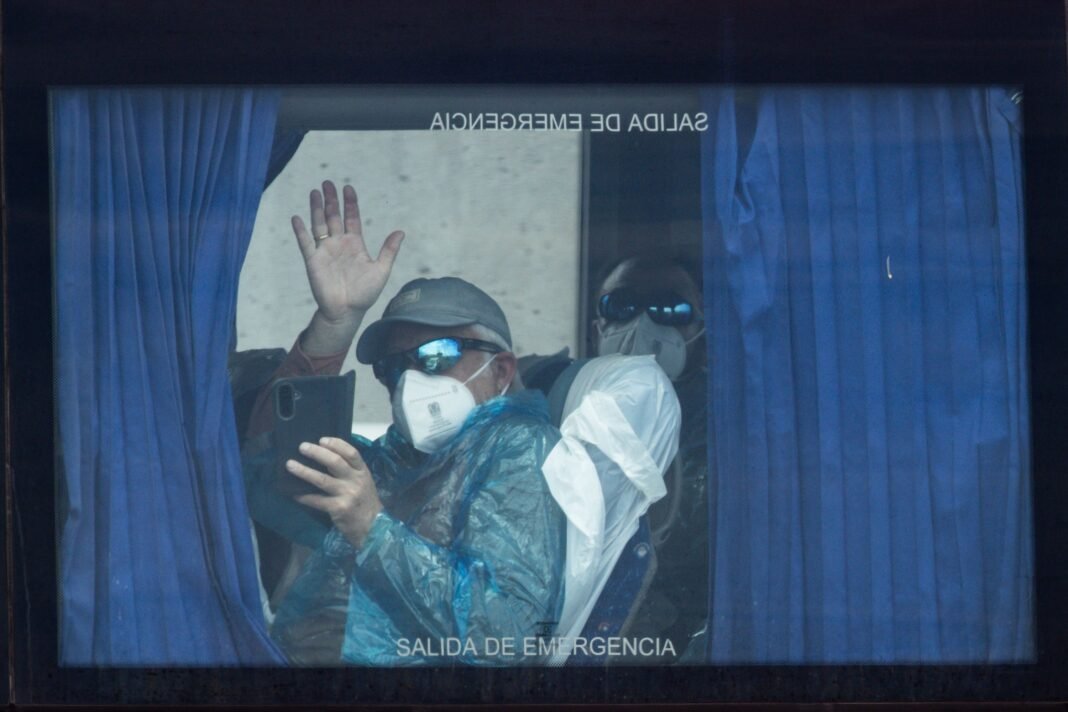
A recent outbreak aboard the Dutch cruise ship MV Hondius, which departed from Argentina and docked at the Canary Islands in May 2024, brought renewed focus on hantavirus risks. Tragically, three passengers died while several others suffered critical symptoms linked to infection. Despite initial alarm, health authorities have emphasized that such outbreaks do not currently pose epidemic threats as close contact is necessary for person-to-person spread.
The Complexity Behind Developing Broad-Spectrum Vaccines
The extensive genetic variation among hantaviruses presents significant obstacles for vaccine development. Designing a single vaccine effective against multiple strains requires complex approaches that can address diverse viral antigens simultaneously. This challenge drives international collaborations aiming to create vaccines with wide-ranging protection beyond region-specific formulations.
Moderna’s Collaboration with Korea University College of Medicine Accelerates Progress
In late 2023, Moderna partnered with Korea University College of Medicine’s Vaccine Innovation Center (VIC-K) under its mRNA Access program-a global initiative focused on fast-tracking preclinical mRNA vaccines targeting emerging infectious diseases.
This alliance combines Korean scientists’ expertise in identifying precise antigenic sequences from local hantavirus variants with Moderna’s advanced capabilities in synthesizing tailored messenger RNA constructs designed for immunization purposes.
Encouraging Preclinical Outcomes Signal Future Promise
By early 2025, experimental vaccines developed through this partnership successfully prevented hantavirus infections in mouse models according to research led by VIC-K’s Department of microbiology team headed by Park Man-sung. These results represent a pivotal milestone but remain an early phase before progressing toward human clinical trials.
Navigating challenges From Lab Discoveries to Licensed Vaccines
The path from accomplished animal studies to approved human vaccines involves rigorous clinical testing phases and regulatory scrutiny-processes that often span several years without emergency accelerations like those seen during COVID-19 vaccine rollouts.
No licensed vaccine currently exists against ANDV or other New World strains despite older options like South Korea’s Hantavax being available domestically decades ago; however these customary vaccines suffer from limited effectiveness and rely on outdated production methods involving animal brain tissue cultures rather than modern biotechnological platforms.
The Distinct Advantages of mRNA Vaccine Platforms
- Rapid adaptability: The flexibility of mRNA technology enables swift updates when new viral variants emerge without requiring live pathogen cultivation;
- Easier scalability: Manufacturing processes can be quickly expanded at industrial scale;
- Simplified design: Synthetic production reduces risks associated with conventional vaccine development techniques;
- Pandemic preparedness: Proven success during COVID-19 has established mRNA platforms as leading candidates for responding rapidly to future outbreaks worldwide.
A Broader Vision: Moderna’s Commitment Beyond Hantaviruses
Apart from addressing hantaviruses-a field where institutions like the US Army Medical Research Institute maintain ongoing efforts-Moderna is also advancing mRNA-based vaccines targeting other high-priority pathogens such as avian influenza viruses and noroviruses identified globally within pandemic preparedness frameworks.
The Market Response Reflects Confidence in Technological Innovation Over Immediate Profits
The announcement about Moderna’s work on a hantavirus vaccine triggered nearly a 20% surge overnight-from $49 per share-demonstrating investor trust rooted more deeply in belief about their cutting-edge platform than short-term commercial returns amid evolving public attitudes toward mass vaccination campaigns across various political landscapes.
“The optimal time to develop vaccines against dangerous viruses is well before they escalate into global crises.”
this insight resonates strongly following lessons learned during COVID-19 alongside recent events aboard M.V Hondius , underscoring how proactive scientific innovation combined with international cooperation forms essential pillars safeguarding global health security moving forward.