Exploring the Possibility of a General Strike in Alberta
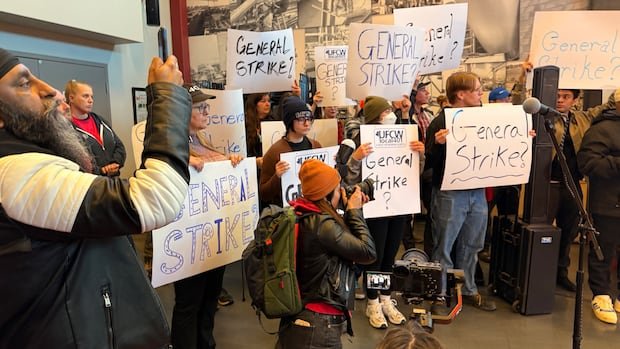
After more than 100 years, the idea of a general strike is once again gaining traction in Alberta. This renewed interest stems primarily from the provincial government’s controversial invocation of the notwithstanding clause to force striking teachers back to their classrooms.
The Influence of Labour Unions and Collective Solidarity
the Alberta Federation of Labour (AFL), which represents approximately 175,000 workers across 24 unions, is spearheading this movement. The AFL president also leads common Front, a coalition dedicated to protecting workers’ rights by treating any attack on one group as an attack on all.
AFL leadership has indicated plans not only for coordinated strikes but also for encouraging recall campaigns targeting government officials perceived as undermining labor protections.
Legal boundaries Governing general Strikes in Alberta
A general strike involves employees from multiple sectors concurrently refusing work. However, under current legislation and guidelines set by the Labour Relations Board in Alberta, such strikes are deemed illegal unless strict conditions are met:
- The collective agreement between employer and union must have expired.
- Bargaining negotiations must be actively ongoing.
- A government-appointed mediator should be involved during negotiations.
- A mandatory cooling-off period of at least 14 days after mediation must elapse before striking can begin.
- A majority vote among union members or employers must approve any strike or lockout action.
- At least 72 hours’ notice is required before initiating job action.
Navigating Legal Complexities and Worker Protections
The distinction between lawful and unlawful strikes substantially impacts worker protections. Legal strikes protect employees from dismissal during their protest; illegal ones expose them to penalties such as fines or termination. This nuanced legal landscape complicates decisions around organizing large-scale labor actions under current laws governing Alberta workplaces today.
Dangers Linked to Illegal Strikes: Lessons from History
Engaging in an unlawful strike carries serious risks. Courts may issue injunctions demanding immediate cessation of job actions; ignoring these orders can result in contempt charges with consequences ranging from substantial fines to imprisonment.
This was starkly illustrated during Alberta’s nurses’ strike in 1988 when over 14,000 nurses walked off despite court rulings declaring even voting on strike action illegal. The United Nurses of Alberta faced criminal contempt charges while individual nurses were subjected to civil penalties-resulting in nearly $500,000 paid in fines after just nineteen days on strike.
The Rising Use of Legislative Measures Against Strikes
Lately, governments have increasingly employed legislative tools like back-to-work laws enforced through financial sanctions. For example, Bill 2-the Back to School Act-imposed daily fines up to $500 per striking individual and $500,000 per day against unions defying orders while suspending bargaining rights until 2028 for teachers compelled back into classrooms via the notwithstanding clause.
This aggressive approach raises questions about whether large-scale labor protests can endure under such intense governmental pressure; experts warn that sustaining an illegal general strike may prove impossible due to rapid enforcement measures including asset freezes and immediate injunctions upon commencement.
historical Context: Canada’s Landmark General Strike Movements
The Winnipeg General Strike of May-June 1919 remains Canada’s most renowned example-a six-week mass walkout involving tens of thousands amid post-World War I economic turmoil marked by soaring inflation that severely impacted living standards nationwide.
“Workers felt trapped,” historians note about this pivotal event which culminated tragically on Bloody Saturday when violent confrontations resulted in two deaths and dozens injured under military-imposed curfews.
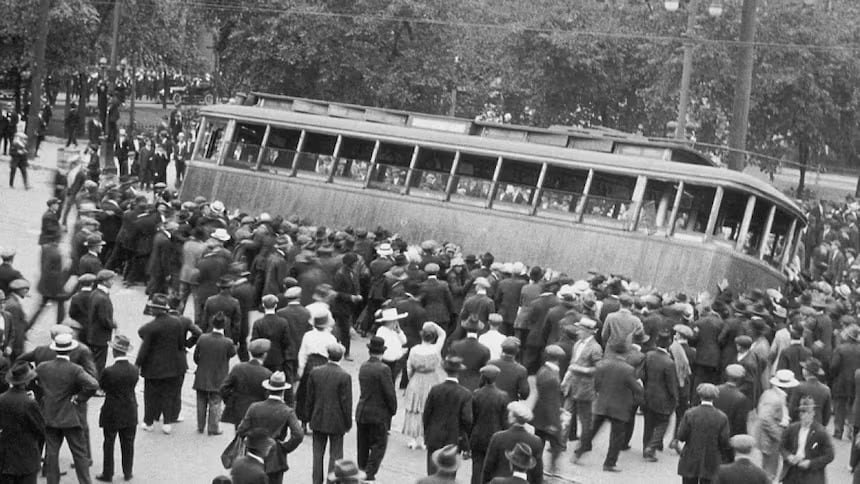
Although immediate demands were unmet-leading some contemporaries initially deeming it unsuccessful-the aftermath triggered political shifts favoring labor-friendly candidates municipally and provincially within two years; notably Canada introduced its first minimum wage legislation shortly thereafter.
this wave inspired solidarity strikes across cities like Edmonton and Calgary where thousands joined walkouts impacting local industries significantly-Edmonton alone saw over half its unionized workforce participate.
Political Impact Across Alberta Following Early Labor Movements
This surge contributed directly toward unseating long-standing Liberal governments by agrarian-based parties sympathetic toward labor causes throughout subsequent decades-a clear presentation that even contentious industrial actions can profoundly reshape political landscapes over time.
The Debate Over Effectiveness: Is a General Strike Justified?
despite inherent risks-including potential legal repercussions-the AFL regards province-wide coordinated work stoppages as essential leverage amid growing frustrations with government policies seen as unfriendly toward organized labor efforts.
“The government has shown willingness not only to legislate but aggressively enforce measures stripping collective bargaining power,” AFL leaders caution while emphasizing scale matters: “Authorities cannot imprison hundreds of thousands simultaneously.”
“There simply aren’t enough resources within judicial systems or correctional facilities capable of processing mass arrests tied directly back-to-back labor protests.”
An instructive recent example unfolded Ontario where education sector workers defied similar constitutional overrides aimed at quashing strikes entirely-in response forcing school closures until authorities repealed restrictive laws largely due to public backlash combined with sustained worker solidarity efforts.
Tensions Between Government Authority and Workers’ Rights Today
Certain legal analysts remain skeptical about long-term success prospects for general strikes given governments’ broad powers-including overriding lawful job actions using constitutional clauses-but acknowledge political fallout could influence future elections if voters reject administrations employing aggressive tactics against organized labor movements.
Tactical Approaches for Organizing Large-Scale Labor Actions Now
- No rush exists among AFL leaders who prioritize thorough consensus-building within affiliated unions before launching any province-wide stoppage;
- Initial phases will likely see localized decisions dominate-with individual unions assessing readiness independently rather than simultaneous mass demonstrations;
- Timing is critical: delaying too long risks dissipating widespread anger fueling momentum;
- Cross-sector alliances beyond traditional union membership could substantially amplify impact if nurtured carefully over coming months;
- Strategic patience combined with open interaction channels remains vital components underpinning successful mobilization moving forward.
< p >“This moment presents a unique convergence,” analysts observe regarding multiple groups frustrated by recent provincial policies beyond education alone – creating fertile ground potentially ripe for unprecedented unified action.”< / p >
< h1 >Conclusion: A Pivotal Moment For Albertan Workers?< / h1 >
< p >As tensions rise between organized labour confronting legislative clampdowns versus government attempts curbing collective power through remarkable means like notwithstanding clauses & punitive bills – debates intensify around whether risking everything via general strikes offers best path forward or merely invites harsh repercussions without guaranteed gains .< / p >
< p >< strong >What happens next depends heavily upon strategic choices made now concerning timing , scale , inclusivity , & resilience amidst evolving socio-political realities shaping modern Canadian workplace relations .< / strong >< / p>