Federal court Orders End to Prolonged National Guard Presence in Los Angeles
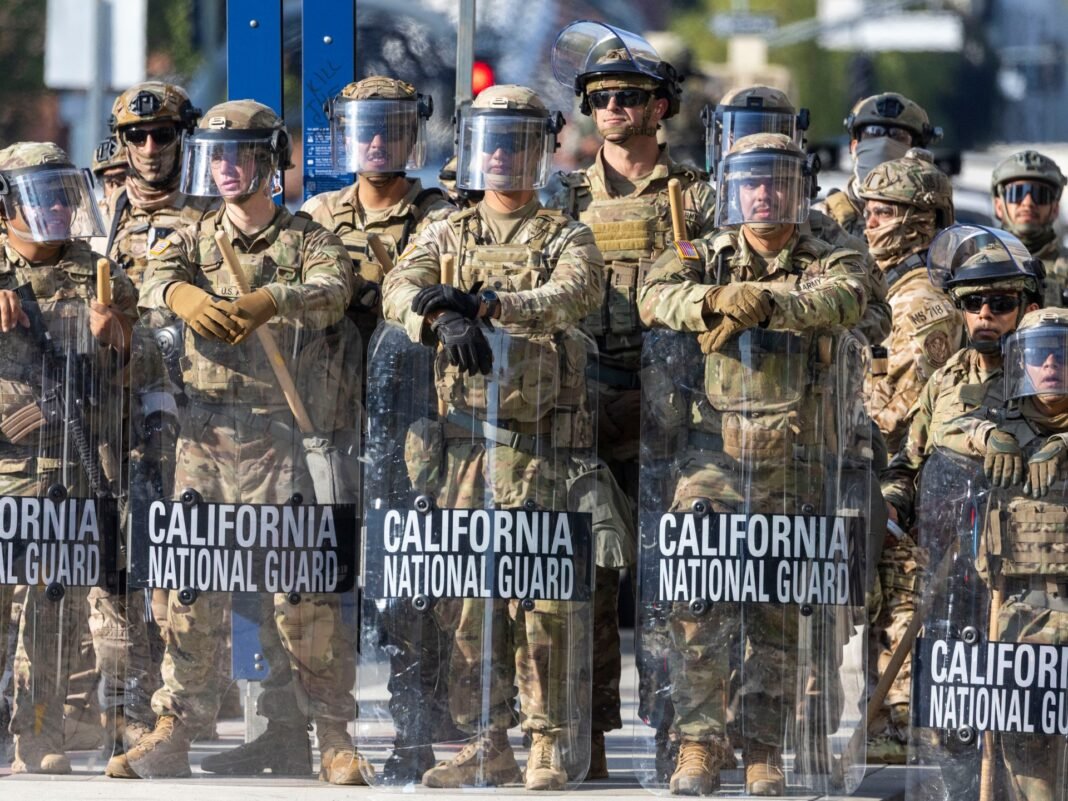
A recent federal court ruling has put a stop to the extended deployment of National Guard troops in Los Angeles initiated under the previous administration, requiring their transfer back to California’s state authority. This judgment questions the federal government’s rationale for sustaining a military presence amid ongoing demonstrations.
Judicial Oversight Limits Federal Military Authority
U.S. District Judge Charles Breyer rejected claims that National Guard deployment was crucial for controlling unrest related to immigration enforcement actions. He underscored the constitutional system of checks and balances, condemning attempts by federal officials to override state jurisdiction without proper limits.
“Our constitutional design prevents any branch from holding unchecked power. Yet here, defendants seek carte blanche authority,” Breyer remarked.
Context: Controversial Troop Deployment During Protests
The Trump administration initially mobilized roughly 4,000 California National Guard members into Los Angeles last June without Governor Gavin Newsom’s approval. Although only about 100 troops remain today, efforts were made to prolong their presence through February citing protection of federal personnel and property as justification.
This action drew strong criticism from Democratic leaders who viewed it as an authoritarian measure aimed at stifling dissent in cities known for vocal opposition against federal policies.
Similar Disputes Arise Over Portland Deployment
The tension is not isolated to California; comparable conflicts emerged when plans surfaced to deploy California’s National Guard units into Portland, Oregon-another center of protest activity-further straining relations between state governments and the federal administration.
Political Responses and Public Opinion
Governor Newsom hailed the court decision as a triumph for democratic principles over executive overreach.His office emphasized this outcome on social media platforms, framing it as a defense of civil liberties against excessive militarization within American cities.
The president has frequently described Democrat-led urban areas and immigrant communities with harsh language,branding them unsafe or crime-ridden zones. He also advocated increasing domestic military involvement under the pretext of addressing internal threats-a position critics warn could erode constitutional safeguards and heighten nationwide tensions.
The Growing Role of Military Forces in Managing Civil Unrest
- Recent statistics from 2024 reveal that deployments involving active-duty or reserve military personnel during domestic protests have surged by nearly 30% compared with prior years, fueling concerns about escalating militarization within U.S. law enforcement responses.
- A notable case occurred in minneapolis following high-profile incidents where local authorities requested limited National Guard assistance but faced pressure from federal agencies advocating broader troop engagement-illustrating ongoing debates over appropriate military roles in civilian affairs.