Controversy Surrounds Pentagon’s New Restrictions on Press Access
Balancing Military Transparency and Press Freedom
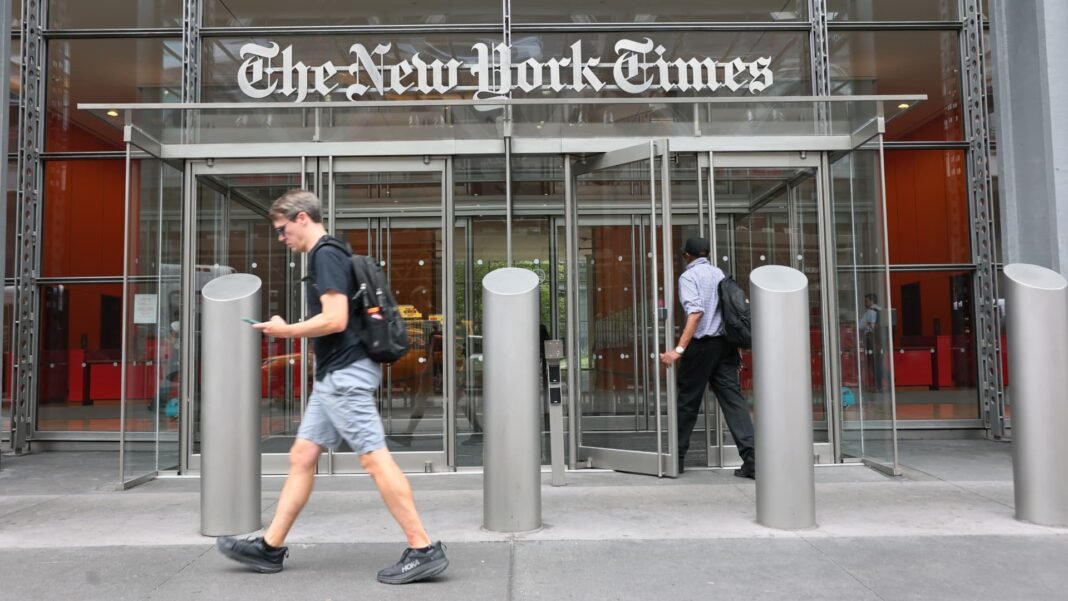
The Pentagon’s recent imposition of stringent rules on journalists reporting from the Defense Department has sparked a federal lawsuit filed by The New York Times. The newspaper contends that these new limitations infringe upon the First Amendment, which guarantees freedom of the press.
Origins of the Dispute: Media Walkout and Policy Changes
Nearly two months ago, reporters representing major outlets including CBS, CNN, Fox News, NBC, and The New York Times staged a coordinated walkout from the Pentagon. This protest was triggered by newly enforced regulations that curtailed journalistic activities within military premises. As a result of their refusal to comply with these restrictions, manny relinquished their press credentials.
Following this exodus, access to Pentagon briefings was largely granted to journalists perceived as more aligned with current administration viewpoints.
The Scope of the Restrictive Guidelines
In October 2025, reporters assigned to cover Defense Department affairs received an extensive 21-page directive detailing strict protocols. these rules forbid journalists from seeking or disseminating any data not explicitly approved by Defense officials-even if such information is unclassified or obtained outside military grounds.
Several prominent news organizations faced immediate suspension of their press passes for failing to adhere to these mandates.
Main Legal Challenges Against the Policy
The lawsuit lodged in Washington D.C.’s U.S. District Court seeks an injunction halting enforcement of this policy and demands it be declared unconstitutional.Key arguments include:
- The restrictions undermine core First Amendment protections by limiting reporters’ ability to question government officials and investigate beyond official narratives;
- censorship deprives citizens of vital insights into military operations and leadership decisions essential for informed public discourse;
- The Defense Department wields unchecked discretion in applying these rules, risking arbitrary enforcement influenced by political bias rather than legitimate security concerns.
Pentagon’s Position amidst Legal Proceedings
Sean Parnell, Chief Spokesperson for the Pentagon-named as a defendant-acknowledged awareness of the New york Times’ legal action but declined further comment pending court outcomes. Meanwhile, no additional statements have been issued by The Times regarding ongoing developments in this case.
A Strategic overhaul Under Secretary Pete Hegseth’s Direction
As his appointment earlier this year after a contentious Senate confirmation marked by debate over his qualifications, Secretary Pete Hegseth has implemented sweeping changes in how media relations are managed at the Defense Department:
- Dedicating fewer workspaces inside Pentagon facilities for national news organizations;
- Tightening controls over reporter movements within sensitive areas;
- Prioritizing access for conservative-leaning outlets willing to accept restrictive reporting conditions aligned with administration preferences.
A Significant Shift Beyond Past Credential Disputes
This overhaul extends far beyond previous controversies involving White House press badges; it imposes comprehensive constraints affecting all defense correspondents simultaneously. Critics warn that it grants unprecedented authority to military officials who can revoke credentials based on editorial content or investigative focus rather than objective security criteria alone.
“this policy unlawfully grants government officials unchecked power over credential distribution-a direct violation of First Amendment rights,” remarked Gabe Rottman from Reporters Committee for Freedom of the Press shortly after filing.”
The Broader Implications: Transparency Versus Control in Military Journalism
this dispute underscores persistent tensions between safeguarding national security interests and upholding democratic transparency amid shifting political landscapes within Washington D.C..Recent surveys indicate nearly 70% of Americans express concern about government openness as we approach mid-2025.
An International Parallel: Media Restrictions During NATO Exercises
A similar challenge emerged last year when journalists covering NATO drills across Eastern Europe encountered comparable limitations restricting frontline reporting during heightened geopolitical tensions near Ukraine’s borders-prompting widespread international criticism about curtailing self-reliant media coverage during critical defense operations.