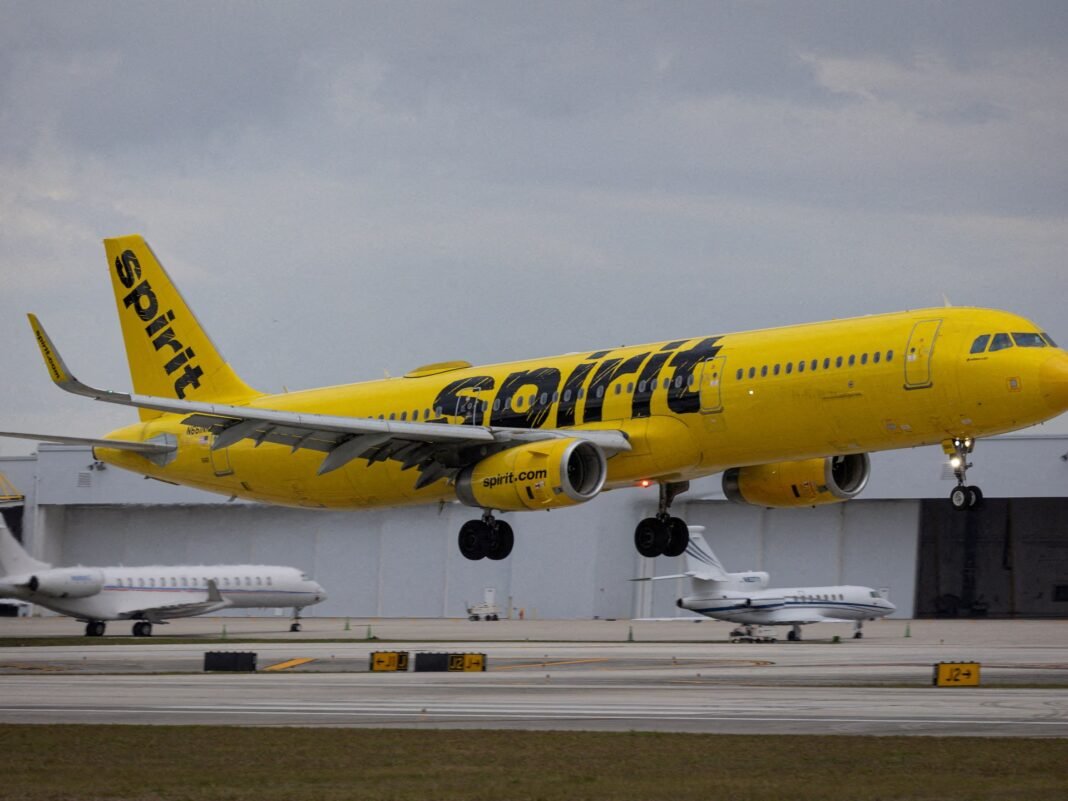
Spirit Airlines Ceases Operations Amid Unprecedented Jet Fuel Price Surge
The abrupt shutdown of Spirit Airlines, a major low-cost carrier in the United States, underscores the devastating effects of soaring jet fuel expenses on the aviation sector and jeopardizes thousands of jobs nationwide.
Spirit Airlines Halts Flights Following Failed Financial Rescue
After unsuccessful attempts to obtain federal financial support, Spirit Airlines has officially stopped all flight services, initiating a structured shutdown process. Passengers are strongly advised not to travel to airports as no departures or arrivals will take place.
The airline’s parent company announced this progress early Saturday morning, confirming that every scheduled Spirit flight is promptly canceled.
Jet Fuel price Explosion: The Core Reason Behind Spirit’s Collapse
The airline’s financial collapse is primarily linked to an unprecedented rise in jet fuel prices driven by escalating geopolitical tensions related to conflicts in the Middle East. Since early 2026,jet fuel costs have surged from an estimated $2.24 per gallon at the start of the year to nearly $4.60 per gallon by late April-more than doubling and severely undermining Spirit’s ability to maintain operations and restructure effectively.
Unsuccessful Bailout Negotiations and Financial Instability
Although preliminary agreements with creditors aimed at emerging from bankruptcy by mid-2026 were reached, these plans unraveled due to unpredictable fuel price volatility fueled by ongoing regional conflicts. A decisive board meeting failed to secure consensus on any viable rescue package.
A proposed $500 million federal bailout intended to support operations during bankruptcy proceedings faced strong opposition within Congress and among key advisors.While government officials considered assistance options carefully, concerns about fiscal responsibility prevented approval.
Lack of Acquisition Interest Amid Market Volatility
Efforts spearheaded by transportation authorities did not attract potential buyers willing to acquire Spirit Airlines under current economic conditions marked by uncertainty and high operational costs. Consequently, government intervention became increasingly improbable as no viable ownership transfer emerged.
Aviation Sector Impact: Rising Expenses prompt Industry-Wide Adjustments
This closure represents the first significant US airline liquidation with substantial market presence-Spirit accounted for approximately 5% of domestic flights-in over two decades.Its exit is expected to diminish competitive pricing pressure across many routes where it served as a budget-kind option for travelers.
- KLM Royal dutch Airlines: Facing similar challenges from elevated oil prices linked with geopolitical instability in Eastern europe, KLM recently reduced its schedule by canceling around 15,000 flights this year as part of cost-saving measures.
- Copa Airlines: Likewise impacted carriers such as Copa have increased fuel surcharges globally while trimming roughly 80 daily flights across their network due to rising operational expenditures amid inflationary pressures.
An Industry exposed: The Fragility Revealed By Energy Market Fluctuations
“This event highlights how vulnerable airlines are when directly exposed to volatile energy markets,” noted an aviation expert monitoring recent developments. “Carriers lacking effective hedging strategies face existential risks during such shocks.”
The human Toll: Workforce Reductions and Passenger Challenges
The shutdown leaves tens of thousands without employment opportunities-a stark illustration that soaring commodity prices ripple far beyond corporate finances into communities dependent on these jobs.
Passengers holding upcoming reservations must now scramble for alternatives amid shrinking options within America’s budget air travel segment.
Evolving Realities for Low-Cost Carriers Worldwide
This incident signals mounting difficulties ahead for discount airlines globally as they confront inflationary headwinds combined with geopolitical disruptions affecting supply chains and energy availability.
the industry continues adapting through fare hikes or route cuts but remains highly susceptible if external pressures persist or intensify throughout 2026 and beyond.