How Celebrities Are Leveraging Trademarks to Protect Against AI Misuse
The surge in generative AI technologies has sparked a wave of unauthorized digital content featuring celebrities’ voices and images. In response, prominent figures are turning to trademark law as a novel defense to protect their personal brands. Actor Matthew McConaughey pioneered this approach by registering trademarks for his voice, image, and signature catchphrases like “Alright, Alright, Alright.” Following suit, Taylor Swift has recently sought trademarks covering her name, likeness, and vocal identity-highlighting an emerging trend within the entertainment world aimed at curbing commercial exploitation of AI-generated materials.
Complex Risks Posed by AI-Generated Celebrity Content
with the rapid advancement and accessibility of AI tools such as midjourney and new search engine integrations that generate realistic media content, celebrities face unprecedented threats from unauthorized reproductions. McConaughey stresses the importance of maintaining control: “Any use of my voice or image must have my approval.” His legal team notes that trademark rights provide a swift legal remedy to halt misuse or pursue federal lawsuits when necessary.
Taylor Swift’s encounters with these challenges are particularly illustrative.She has been targeted by deepfake pornography created through AI and also fake chatbots impersonating her on social platforms.During the 2024 U.S. election cycle alone, fabricated images falsely suggesting her political endorsements circulated widely online-demonstrating how generative AI can amplify misinformation with convincing but deceptive visuals.
The Wider Consequences Beyond Entertainment
Even though many instances involve fan-made creations without commercial intent-such as memes or parodies-the potential damage extends beyond mere amusement. Fake endorsements or offensive portrayals can tarnish reputations and diminish personal brand equity over time. this uncertainty fuels performers’ fears about being replaced by digital replicas in future projects or losing control over how their persona is commercially exploited.
Current Legal Frameworks Protecting Name, Image & Likeness (NIL)
Celebrities benefit from multiple layers of intellectual property laws designed to shield their NIL rights against unauthorized use:
SAG-AFTRA’s Protections Against Digital Doubles
The Screen Actors Guild‐American Federation of Television and Radio Artists (SAG-AFTRA) includes clauses preventing studios from deploying AI-generated digital doubles without explicit performer consent for roles requiring their presence personally. This ensures actors cannot be covertly replaced with synthetic versions in fictional works while allowing exceptions for biographical portrayals were likenesses represent themselves rather than fictional characters.
Copyright Law Safeguarding Creative Outputs
The Copyright Act grants exclusive rights over original creative works such as music recordings and videos-meaning no one may legally reproduce Taylor Swift’s songs or Matthew McConaughey’s owned video content without permission unless fair use applies (e.g., parody). However, these protections cover only underlying creative expression rather than personal identity elements directly.
State-Level Rights of Publicity Statutes
A majority of U.S.states have enacted laws prohibiting commercial usage of an individual’s name, voice, or likeness without authorization-for example preventing someone from using McConaughey’s voice in car advertisements or Swift’s image endorsing products she hasn’t approved. Some jurisdictions explicitly include protections against unauthorized digital replicas under these statutes while exempting expressive uses like biographies or artistic works.
The Lanham Act §43(a) Addressing False Endorsement Claims
This federal statute prohibits deceptive practices likely causing consumer confusion about affiliation with goods/services-including false endorsements through misappropriation-which is often invoked when artists’ work is used improperly in political campaigns or advertisements without consent.
Laws Targeting Harmful Deepfakes & Privacy Violations
Certain privacy laws criminalize malicious deepfake creations portraying individuals engaging in acts they never performed-such as fabricated sexual imagery-or making offensive statements falsely attributed to them; this also covers scenarios involving politically motivated misinformation generated via advanced AI technologies.
The Specific Role Trademark Rights Play Amid Broader Protections
Trademark law differs fundamentally from broader NIL protections by focusing on identifying sources behind goods/services through distinctive marks used commercially.
- An iconic symbol like Nike’s swoosh identifies athletic footwear brands;
- A registered soundmark might protect a celebrity catchphrase tied directly to specific services;
- Trademark rights arise only upon actual commerce-based usage-not abstract claims-and require proof that marks are actively employed publicly on products/services offered for sale.
This explains why unrelated companies sharing identical names can coexist peacefully if operating distinct markets-for instance Delta Airlines versus delta Faucets-as consumers recognize different origins based on context.
This principle limits infringement claims strictly against confusingly similar uses within related industries where consumer deception is probable.
An example includes cases where courts ruled song titles referencing brand names did not infringe trademarks becuase they served nominative fair use rather than source identification purposes.
Diving Into Trademark Portfolios held By Matthew McConaughey And Taylor Swift
- Matthew McConaughey:
- A registered soundmark protects his famous phrase “ALRIGHT ALRIGHT ALRIGHT” linked with motivational self-help videos and entertainment productions;
- An additional registration covers personal appearances connected directly to acting services;
- A pending application seeks protection for a black-and-white photographic mark representing him associated with film production activities;
- A separate soundmark registration captures another catchphrase sequence (“JUST KEEP LIVIN’, RIGHT? I MEAN WHAT ELSE ARE WE GONNA DO?”) tied again to inspirational media content;
- Together these registrations safeguard both audio branding elements plus visual representations relevant across entertainment sectors.
- Taylor Swift:
- An application aims at registering a soundmark featuring her saying “Hey it’s Taylor,” broadly linked with music information services;
- A second soundmark application covers her full vocal introduction “Hey it’s Taylor Swift,” also tied into entertainment-related informational offerings;
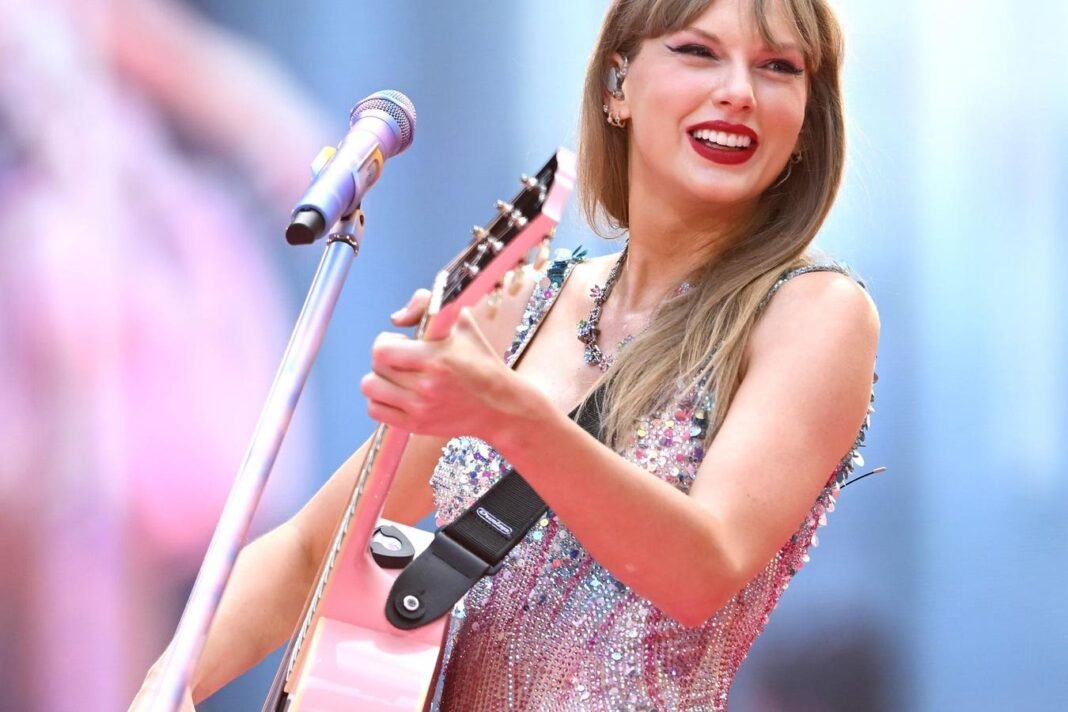
- A design mark application protects an iconic photograph showing her performing live holding a pink guitar amid vibrant stage lighting-with coverage extending toward non-downloadable prerecorded music distribution online.
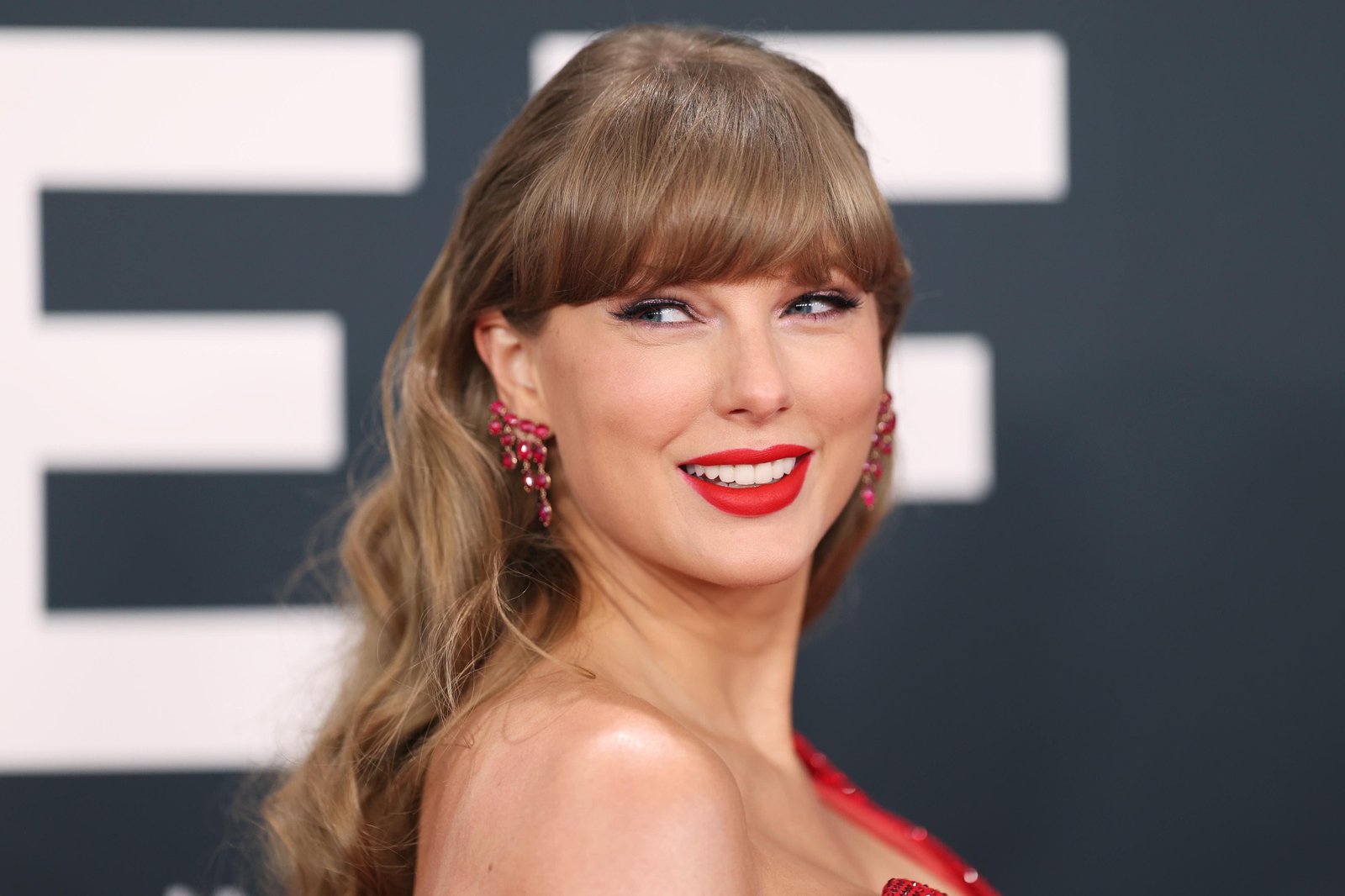
“Trademark registrations provide an additional layer alongside existing intellectual property tools enabling celebrities like McConaughey and Swift greater leverage when confronting unauthorized commercial uses.”
The Strategic Advantages Trademarks Offer Against Unauthorized Use
If someone where to exploit Matthew McConaughey’s registered phrase “ALRIGHT ALRIGHT ALRIGHT” commercially-as an example selling self-help courses using an imitation voice-that would constitute clear trademark infringement due to identical wording applied within covered service categories.This could result not only in injunctions halting sales but also monetary damages including profits earned unlawfully.Additionally,this scenario overlaps right-of-publicity violations,copyright infringements regarding original recordings,and false endorsement claims under federal law,making trademarks powerful complementary tools rather than standalone shields alone.
Similarly,Taylor Swift could invoke trademark protection if monetized deepfakes employ her protected vocal phrases combined with visual likenesses causing consumer confusion about endorsement-even if altered slightly.A well-founded claim might persuade courts recognizing likelihood consumers associate such materials directly with her brand.
Conversely,situations diverging significantly from registered goods/services present murkier grounds.Such as,a hypothetical legal-services firm employing an AI-generated video resembling McConaughey might face weaker trademark infringement arguments primarily due differing service classes.Yet,the presence of overlapping publicity rights plus Lanham Act claims means multiple enforcement avenues remain open.Trademark filings thus broaden strategic options available during enforcement efforts.ultimately,trademarks do not replace existing IP frameworks but supplement them offering fresh angles especially suited towards combating evolving threats posed by advanced generative technologies.
Navigating Legal Protections Amid Rapid Technological Advances
The fast-paced evolution of artificial intelligence challenges traditional legal doctrines governing personality rights.As public figures increasingly rely economically on their personas,it becomes essential they possess robust mechanisms defending against exploitation beyond goodwill reputation management.McConaughey’s pioneering approach alongside Taylor Swift signals potential shifts toward integrating trademarks into complete defense strategies addressing complex modern realities surrounding synthetic media abuse.
While judicial outcomes remain uncertain given nascent case law around these issues,their proactive stance exemplifies how celebrities may no longer passively endure distortions wrought by unchecked technological innovation.Instead,new intellectual property frontiers emerge promising enhanced control over how identities manifest commercially amidst accelerating digitization trends worldwide.