Decoding the Newly Introduced $100,000 H-1B Visa Fee and Its Consequences
Understanding the New Fee Structure for H-1B Visas
The U.S. goverment has recently specified that a $100,000 fee linked to H-1B visa petitions will be imposed only once per new request. This charge does not apply to existing visa holders or those seeking renewals,easing concerns about recurring expenses for current workers.
This clarification came after earlier confusion suggested the fee might be an annual obligation affecting both new applicants and renewals. Officials confirmed that this is a one-time cost exclusively tied to initial petitions rather than ongoing payments.
Context and Timeline of Implementation
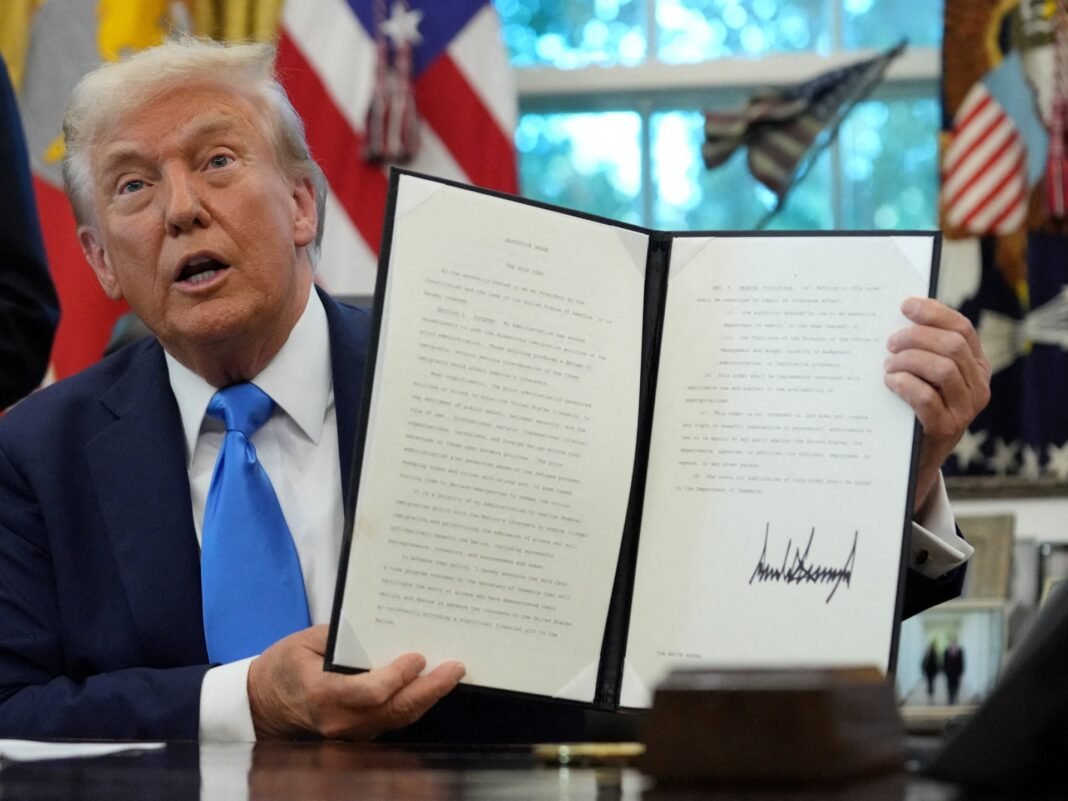
The executive order introducing this substantial fee was enacted late on a Friday evening and became effective shortly after midnight on Sunday (04:01 GMT). The policy is scheduled to remain active for one year but coudl be extended depending on its impact on U.S. labour market goals.
Profile of H-1B Visa Beneficiaries
The H-1B visa program allows American employers to hire foreign professionals with specialized skills-ranging from data scientists and biomedical engineers to cybersecurity experts-for an initial term of three years, extendable up to six years. these visas are notably critical in industries facing acute talent shortages such as technology, healthcare innovation, and advanced manufacturing.
As of 2024, nearly 70% of these visas have been awarded to Indian nationals, highlighting important talent migration patterns into major U.S. innovation centers like Silicon Valley and Boston’s biotech corridor.
Industry Response: Navigating Talent Retention Challenges
The announcement triggered swift reactions from leading tech giants including Amazon, Microsoft, Meta, and Alphabet. These companies advised their employees holding or pursuing H-1B status-both domestically and internationally-to carefully monitor their visa conditions amid mixed messages about whether fees would recur annually or apply just once per petition.
an immigration specialist noted widespread uncertainty among workers traveling abroad during this transition period; some experienced flight cancellations or postponed job start dates due to fears over unexpected financial burdens upon re-entry into the United States.
Economic Ramifications Beyond Borders
Critics contend that even though designed as a safeguard for American professionals who typically earn salaries exceeding $100,000 annually,the program historically enabled firms access to foreign talent frequently enough accepting wages closer to $60,000-a gap fueling debate over whether such policies protect domestic employment or inadvertently suppress wage growth while filling vital skill gaps in competitive sectors like AI development.
Global Reactions: International Stakeholders Weigh In
the Indian Ministry of External affairs voiced apprehension regarding potential humanitarian consequences affecting families disrupted by these changes. Business leaders in India are actively assessing how this adjustment might influence bilateral trade dynamics as well as workforce mobility between India and the United States moving forward.
User sentiments Highlighted Across Social Media Channels
“If fully enforced next year,the $100K charge per worker could price out many skilled immigrants from entering America,resulting in jobs relocating overseas instead,” remarked an immigration analyst familiar with labor market trends.
“America’s leadership in innovation depends heavily on attracting global expertise; limiting access risks undermining its reputation as a premier destination for top-tier talent.”
Forecasting Future Impacts on U.S.-Based Talent Acquisition Strategies
- Tighter Entry requirements: The steep fee may discourage qualified candidates aiming for roles within America’s high-tech industries from applying through customary channels.
- Evolving Corporate Approaches: Organizations may increasingly invest in remote teams abroad rather than incurring high costs sponsoring domestic work visas under new regulations.
- Bilateral Negotiations: Continued diplomatic engagement between governments will likely influence future policy adjustments balancing economic competitiveness with national workforce priorities.
- Migrant Workforce Stability: Current holders retain travel privileges without additional charges related directly to this order throughout its duration ensuring continuity amid change.
Navigating Between Protectionism And Global Innovation Leadership
This policy highlights persistent tensions between protecting local employment opportunities while sustaining America’s role as a magnet for international specialists essential for cutting-edge fields like artificial intelligence research and biotechnology – sectors experiencing rapid growth worldwide according recent 2024 labor market analyses revealing surging demand across multiple disciplines globally.