Nike Navigates Rising Tariffs and Evolving Market Challenges
How tariff Increases Are Affecting Nike’s Financial Health
Nike is confronting significant obstacles as escalating U.S. import tariffs disrupt its supply chain and squeeze profit margins. The company initially faced a 20% tariff on goods imported from China, but recent policy adjustments have pushed this rate to 30%, complicating Nike’s efforts to stabilize its financial performance.
This surge in tariffs has intensified difficulties for Nike’s recovery plan, wich was already under pressure after earlier warnings about potential declines in the fiscal fourth quarter. With worsening market conditions, investors are growing increasingly cautious about the possibility of continued sales and earnings downturns before any rebound occurs.
Inventory Challenges and Delays in Key Product Releases
In response to surplus inventory from legacy product lines, Nike has ramped up clearance sales with steep discounts.Despite these measures, moving excess stock remains tougher than expected, signaling that profitability may face further short-term setbacks.
the anticipated launch of Nike’s collaboration with a prominent lifestyle brand-originally scheduled for this quarter-has been postponed until later this year due to operational complications. This delay removes an crucial revenue chance from the near-term outlook.
Adapting to Shifts in Consumer Preferences and Global Market Conditions
The Chinese market continues to be vital for Nike but has experienced deteriorating conditions since early 2025 amid ongoing geopolitical tensions affecting trade flows worldwide.This adds complexity to global sales performance during an already challenging period.
Nevertheless, new product innovations are gaining traction among consumers. Recent price increases across multiple categories aim to counterbalance rising costs linked with tariffs; however,maintaining demand without alienating customers remains a delicate balancing act.
Consumer Spending Patterns Amid Economic Fluctuations
Following initial shockwaves caused by tariff announcements earlier this year, consumer sentiment briefly improved as some shoppers accelerated purchases ahead of expected price hikes-a trend observed across various retail sectors during inflationary periods.
This temporary uplift faded quickly as retail sales dropped more sharply than forecasted in May 2025 according to economic indicators. Such volatility highlights persistent uncertainty influencing discretionary spending nationwide.
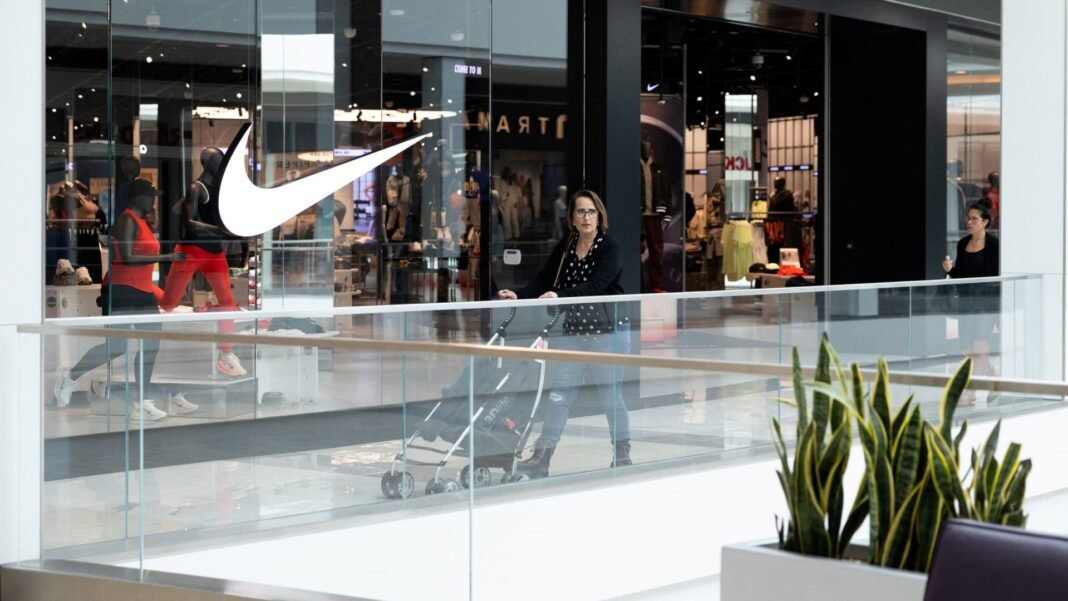
Nike Store Foot Traffic: Signs of Recovery?
Shoe store visits declined by over 10% year-over-year in April but showed notable improvement by May when losses narrowed significantly based on anonymized mobile location data analyzed by industry experts.
Q4 Financial projections: What Analysts Anticipate
- Earnings per share: Expected around $0.13 per share
- Total revenue: Forecasted near $10.72 billion for fiscal Q4 2025
A Strategic Shift Under New leadership Emphasizing Wholesale Growth
Elliott Hill took over as CEO last october with a renewed focus on strengthening wholesale partnerships-a departure from former CEO John Donahoe’s direct-to-consumer strategy that contributed to previous declines in both sales and profits.
This approach involves scaling back inventory held within direct channels such as company-operated stores and online platforms while boosting wholesale distribution volumes despite temporary reductions in store traffic during Hill’s tenure so far.
The Growing Influence of Female Consumers & Competitive Pressures
Nike is intensifying efforts aimed at increasing its appeal among female shoppers who currently represent approximately 40% of total business volume yet offer substantial growth potential given women’s higher average spending on apparel compared to men within discretionary categories.
The brand faces fierce competition from athleisure leaders like Athleta and Outdoor Voices that have successfully captured female audiences through lifestyle-focused apparel rather than solely footwear or customary sportswear essentials alone.
Diversifying Beyond Footwear: Apparel Emerges As A Key Growth Driver
Sneakers remain central to Nike’s identity; though apparel now accounts for nearly 28% of overall revenue as consumer preferences shift toward versatile athletic wear suitable both inside gyms and casual environments alike.
“Nike’s success will depend heavily on agile pricing strategies combined with continuous innovation amid persistent global trade challenges.”