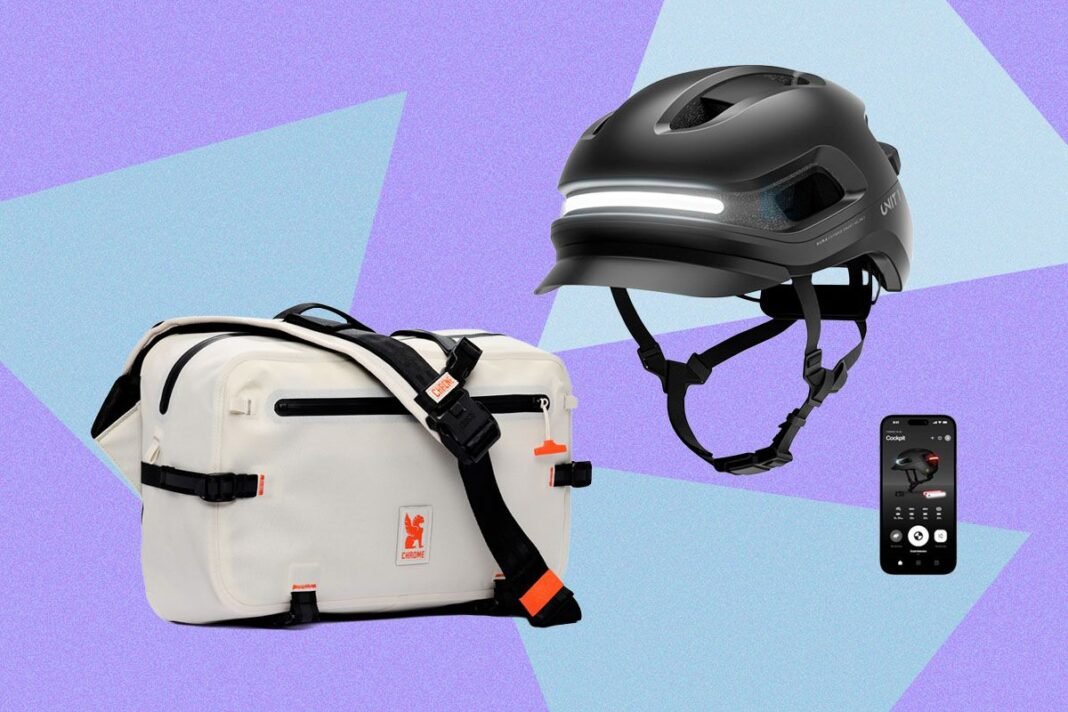
Key Strategies for Safe and Efficient Winter Cycling
Enhancing Visibility with Purposeful Lighting
During the shorter, darker days of winter, making yourself visible to drivers is essential-but more lights don’t always mean better safety. Positioning your bike’s illumination thoughtfully is critical. Use a bright front light alongside a rear light setup that combines a steady beam with a flashing one to catch attention without dazzling others on the road. Adding reflective materials on moving parts like your ankles, pedals, or jacket cuffs naturally draws driver focus. Quality lighting paired with strategically placed reflectors offers superior visibility compared to simply mounting multiple LEDs.
Optimizing Winter Apparel for comfort and Temperature Control
Dressing appropriately for cold-weather cycling requires balancing insulation and breathability through smart layering. Start with a base layer made from moisture-wicking fabric that pulls sweat away from your skin to maintain dryness. Follow this with an insulating mid-layer such as fleece or thermal knit to trap warmth effectively. Finish off with an outer shell that blocks wind and repels water, protecting you from harsh elements. Since cycling generates heat rapidly, it’s best to begin rides feeling slightly cool so you avoid overheating during exertion.Features like adjustable vents and zippers help fine-tune airflow on climbs or descents while lightweight accessories-gloves, neck gaiters, shoe covers-add warmth without bulk.
Selecting Tires and Adjusting Pressure for Improved Traction
Winter roads often become slick due to ice or wet conditions; choosing the right tires can make all the difference in stability and control. Opt for wider tires-28 mm or above if your bike allows-to increase contact area with the ground for better grip. Lowering tire pressure by about 10-15 psi enhances traction by allowing more surface deformation without sacrificing ride quality significantly. Avoid smooth tires in freezing weather; instead select treaded models designed specifically to channel water away efficiently while maintaining firm handling characteristics. Regularly check tires since winter surfaces frequently contain debris such as glass shards that raise puncture risks.
Practical Upgrades That elevate Your Daily Ride
Mudguards are invaluable when riding through rain or slush-they shield both rider and bicycle from spray, keeping you cleaner and more comfortable throughout commutes in damp conditions typical of winter months.
- USB-rechargeable lights: These simplify maintenance by removing battery replacement hassles during short daylight periods common in colder seasons.
- Cold-weather gloves: Designed specifically to retain finger dexterity even when temperatures plunge early morning before sunrise.
- Bigger handlebars plus cushioned bar tape: These improve grip comfort over rough patches caused by frost-heaved pavement or salt-damaged roads frequently encountered during winter rides.
The Critical Role of Maintenance Amid Harsh Conditions
Bicycles face accelerated wear throughout winter due to exposure not only to moisture but also corrosive road salts mixed into grime-this combination demands heightened upkeep routines.
- Regular cleaning: Quick rinses after each ride remove harmful residues before they cause corrosion damage.
- Adequate lubrication: Apply chain oil sparingly; too much attracts dirt buildup which can degrade drivetrain performance faster than cold alone.
- Tire inspections: Check tread depth frequently since worn rubber compromises traction on icy surfaces increasing accident risk substantially (over 30% of winter cycling accidents involve loss of control).
- Cable functionality checks: Ensure brake cables operate smoothly without sticking; hydraulic systems should be examined carefully for leaks or stiffness caused by low temperatures affecting responsiveness crucial during emergency stops.
A consistent weekly maintenance routine not only extends component lifespan but also guarantees safer rides despite challenging weather conditions commonly faced between November and March across many regions worldwide today where urban cyclists increasingly rely on thier bikes year-round-even amid snowfalls exceeding 20 cm per event in some northern cities like Minneapolis or Montreal recently recorded winters have underscored this necessity vividly.