Monday, May 11, 2026
Home Blog Page 1063

Russia-Ukraine War: Dramatic Turning Points and Key Events from Day 1,193

0

Key updates from day 1,193 of the ongoing Russia-Ukraine conflict.

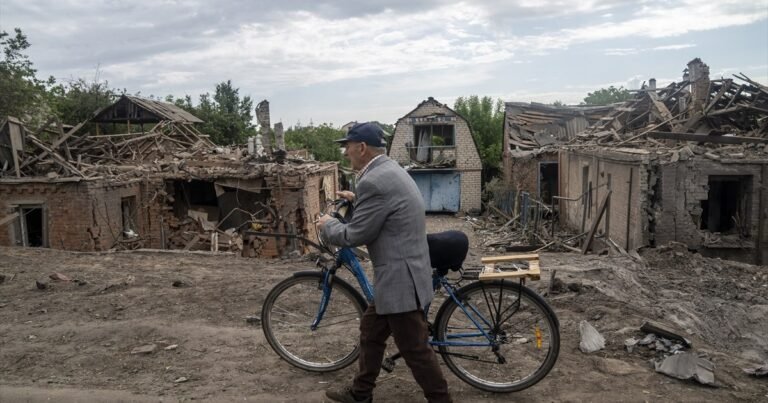
a man in a grey jacket wheels a bike past two destroyed homes in a village

Residential structures damaged by Russian air raids in Sloviansk, Donetsk Oblast, Ukraine, Saturday

Status update as of Sunday, June 1:

Recent Military and Civilian Incidents

  • Alexander Bogomaz, governor of Russia’s Bryansk region adjacent to Ukraine’s border, reported that seven people died and thirty others were injured following a train derailment. The Moscow Railway attributed the accident to “unauthorized interference with transport operations,” which also led to the collapse of a bridge. Ukrainian military representatives have not yet commented on this incident.
  • A Russian missile strike struck Dolynka village in Zaporizhia region resulting in the death of one child and injuries to another individual according to local officials.
  • In Kherson region,Governor Oleksandr Prokudin confirmed that shelling by Russian forces caused one fatality among civilians.
  • The Ukrainian Air Force revealed that between Friday and early Saturday morning approximately 109 drones along with five missiles were launched by Russian forces targeting multiple sites across Ukraine. Ukrainian defense units successfully intercepted 42 drones during these assaults.
  • The Russian military declared control over two Ukrainian villages: Vodolahy in Sumy region and novopil within Donetsk region-marking territorial advances amid ongoing clashes.
  • This development coincided with Kyiv ordering evacuations from eleven additional villages within Sumy oblast due to intelligence reports indicating an estimated buildup of around 50,000 Russian troops nearby.

Shifts in Diplomatic Relations and Political statements

  • President Volodymyr Zelenskyy voiced doubts about Russia’s commitment ahead of peace talks scheduled next week in Istanbul. He highlighted Moscow’s failure to clarify its objectives for these negotiations but did not confirm whether Ukraine will participate. Meanwhile, Russia announced it will send a delegation headed by former culture minister Vladimir Medinsky.
  • The Chinese embassy stationed in Singapore publicly criticized French President Emmanuel Macron for drawing parallels between supporting Ukraine’s defense efforts and protecting Taiwan against potential Chinese threats-stating these scenarios are fundamentally distinct and should not be conflated.
  • The German government disclosed that Chancellor Friedrich Merz plans extensive discussions on Russia’s invasion during his upcoming meeting with U.S. President Donald Trump at the White House later this week.
  • Swedish Prime Minister Ulf Kristersson introduced new regulations effective July 1 aimed at increasing surveillance over foreign vessels navigating Swedish territorial waters amid rising incidents linked to what is termed russia’s “Shadow Fleet” operating throughout the Baltic Sea area.

Growth Initiatives within Defense Manufacturing sector

  • UK defence Secretary John Healey announced intentions to launch at least six new domestic factories focused on producing weapons systems and explosives. He stressed that lessons drawn from Putin’s illegal invasion underscore how military effectiveness heavily relies on strong industrial infrastructure supporting armed forces’ operational capabilities.

Inside South Korea’s 2025 Snap Presidential Election: What You Absolutely Can’t Miss

0

Understanding South Korea’s Pivotal presidential Election

south Korean voters are preparing to elect a new president following the remarkable impeachment and removal of Yoon Suk-yeol. His brief imposition of martial law in December, which lasted only six hours, ignited widespread unrest and political instability across the nation.

The snap election set for June 3 holds significant implications not just for South Korea’s democratic resilience but also for its diplomatic ties with global powers such as China,the United States,and its nuclear-armed neighbor North Korea.

The next president will serve a single five-year term amid the fallout from Yoon’s failed martial law attempt-a move that triggered mass protests, violent confrontations at judicial sites, and resulted in three interim presidents within six months.

Economic hurdles also weigh heavily on this election as South Korea faces recessionary pressures compounded by ongoing tariff conflicts with the US.Washington has enforced 25% tariffs on key exports like steel, aluminum, and automobiles-industries critical to Seoul’s economic health.

Key Candidates Contending for Leadership

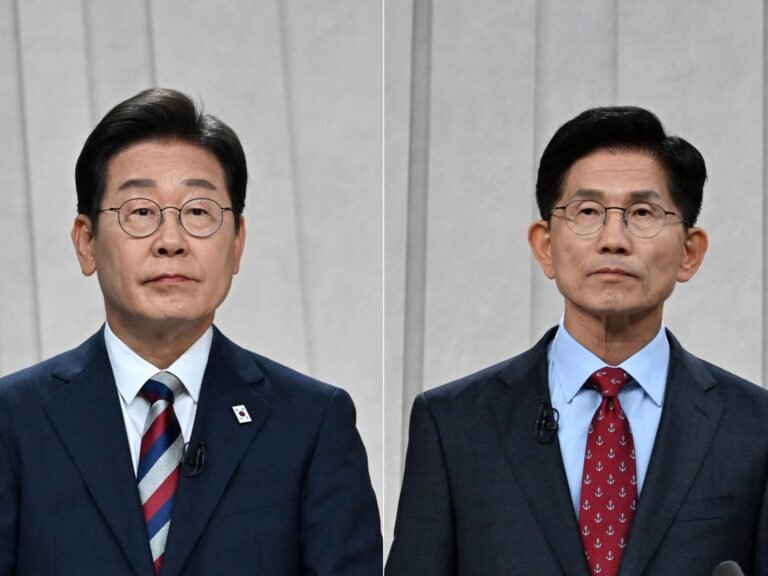
The ballot includes five contenders; though,two candidates dominate public discourse: Lee Jae-myung representing the opposition Democratic Party of Korea (DP) and Kim Moon-soo from the ruling conservative people Power Party (PPP).

Profiles of Front-runners

Lee Jae-myung is a 61-year-old former human rights lawyer turned politician who currently leads voter preference polls. A recent Gallup Korea survey shows Lee commanding nearly half of voter support at 49%, while Kim Moon-soo-a 73-year-old former labor minister under Yoon-holds approximately 36%. The third-place candidate is Lee Jun-seok from the New Reform Party with around 9% backing.

Main Issues Influencing Voter Decisions

The shadow cast by Yoon Suk-yeol’s ill-conceived martial law declaration dominates this electoral cycle. This crisis revitalized Lee Jae-myung’s presidential ambitions after his defeat in 2022 against Yoon.

on December 3 last year, when Yoon declared martial law intending to suppress an opposition-controlled parliament he branded as “anti-state,” Lee famously evaded armed forces by climbing over parliamentary walls. He livestreamed this defiant act urging citizens to protect lawmakers from arrest during this constitutional emergency.

This bold resistance ensured enough legislators reached parliament to swiftly repeal martial law; subsequently leading to Yoon’s impeachment on december 14 amid nationwide demonstrations.

A Defining Moment in South korean Politics

A political analyst at Yonsei University described these events as transformative: “Without Yoon’s declaration of martial law followed by his impeachment proceedings, we wouldn’t be witnessing this election today.” This controversy has eclipsed all other campaign issues so far.

Candidates’ Views on Martial Law Reforms

Lee advocates revising the constitution to allow a four-year presidency renewable once-breaking away from south Korea’s current single five-year term-and supports runoff elections if no candidate secures an outright majority initially. He argues these reforms would improve government accountability and reduce social divisions caused by fragmented electoral outcomes.

“A two-term presidency enables midterm evaluations that strengthen responsibility,” Lee stated via social media while emphasizing that runoff voting enhances democratic legitimacy.”

the PPP nominee Kim Moon-soo agrees on modifying term limits but proposes shorter three-year terms instead of four years per tenure. However, Kim remains vague about whether he considers Yoon’s martial law move unconstitutional-a position critics say weakens party unity amid internal turmoil following their leader’s downfall.

Tensions Within The Ruling Party

The People Power Party has been shaken by factional disputes over leadership succession since Yoon was removed. After selecting Kim Moon-soo through primaries, some party officials attempted replacing him with former Prime Minister Han Duck-soo just before campaign launch day-but reversed course due to backlash from grassroots members.
This infighting reportedly diminished PPP support substantially during early campaigning despite damage control efforts.
Meanwhile third-party candidate Lee jun-seok firmly rejected any alliance with conservatives closely linked to proponents of emergency rule ahead of voting day.

Divergent Foreign Policy Approaches Among Candidates

This election could reshape Seoul’s stance toward North Korea amidst rising tensions between Pyongyang and Seoul-the latter still technically at war as hostilities ended without a peace treaty decades ago.
North Korean leader Kim Jong Un recently proposed removing reunification goals from their constitution while branding south Korea an “unchanging principal enemy.” Diplomatic channels remain severed amid frequent confrontations involving propaganda balloons crossing borders causing flare-ups.

Pursuing Peace or Strengthening Deterrence?

  • Lee Jae-myung: pledges de-escalation initiatives such as restoring military hotlines between Koreas along with reaffirming denuclearization commitments across the peninsula;
  • Kim Moon-soo: favors maintaining hardline policies championed under previous administrations including enhancing preemptive deterrence capabilities through ballistic missile upgrades plus advocating redeployment of U.S tactical nuclear weapons regionally;
  • Keeps open possibility for pursuing nuclear fuel reprocessing rights perhaps paving way toward indigenous atomic arms development;

Bilateral Relations With Major Global Powers

  • DPRK Candidate Stances:

“Pragmatic diplomacy” summarizes Lee’s foreign policy vision prioritizing strong alliances especially with Washington while avoiding unnecessary antagonism towards beijing or Moscow;
– Conversely, Kim questions Lee’s commitment towards U.S.-South Korean security ties yet pledges swift talks directly engaging then-President Donald Trump concerning trade tariffs;
– Additionally, Kim signals willingness toward renegotiating cost-sharing arrangements related to hosting American troops-a long-standing contentious issue repeatedly raised during Trump governance;

“Observers note that despite attempts at moderation during campaigns certain past remarks made by opposition leaders have unsettled allies like Washington or Tokyo,” commented an expert monitoring regional security dynamics.

Elections schedule And What to Anticipate On Voting Day

Koreans residing abroad have already cast absentee ballots while early voting domestically took place over two days prior showing high turnout including frontrunners voting personally.
According to official data released recently approximately 44.4 million out of nearly fifty-two million total population are eligible voters nationwide.
Polling stations will open promptly at dawn (6am local time) on June third-which is designated public holiday-and close late evening around eight pm local time providing ample possibility for participation across age groups.

Vote counting begins immediately after polls close ensuring results shoudl be available either late night same day or early morning next day depending upon logistical factors involved.
The winner will be steadfast simply based on plurality rather than requiring absolute majority threshold fulfillment.

Hamas Rejects Ceasefire, Demands Concrete Guarantees to End Gaza Conflict

Hamas’s Stance on the US-Backed Ceasefire Proposal

The Palestinian group Hamas has responded to a ceasefire initiative endorsed by the United States, with a senior official stating that the proposal “does not ensure an end to hostilities.”

In a conversation with Al Jazeera, Basem Naim revealed that although Hamas gave a “favorable reaction” to the recent plan introduced by US envoy Steve Witkoff, it diverged considerably from an earlier agreement reached just seven days prior.

“A week ago, we found common ground with Mr. Witkoff on a specific framework and viewed it as a foundation for further talks,” naim explained. “Yet instead of receiving feedback on our agreed terms after his consultations with Israel, we were presented with an entirely different proposal unrelated to what was previously accepted.”

Earlier in the day, Hamas confirmed it had officially replied to witkoff’s initiative aimed at establishing a durable ceasefire, securing full Israeli withdrawal from Gaza, and enabling uninterrupted humanitarian aid delivery.

The faction also underscored clauses involving the release of 10 living Israeli captives alongside 18 deceased Israelis’ remains in exchange for freeing an agreed number of Palestinian detainees.

US Envoy Dismisses Hamas’s Counteroffer

Steve Witkoff rejected Hamas’s response as “completely unacceptable,” urging them instead to adopt his framework as groundwork for immediate face-to-face negotiations. He stressed this strategy could result within days in a 60-day truce during which half of both living and deceased hostages would be returned home while laying groundwork for sincere peace talks moving forward.

Israeli Officials Criticize Hamas’s Position

Prime Minister Benjamin Netanyahu denounced Hamas’s approach as backward. Echoing Witkoff’s views, he reaffirmed Israel’s resolve to continue military operations focused on rescuing hostages and dismantling Hamas infrastructure.

The Worsening humanitarian Emergency: Hunger Deepens Across Gaza

The chances of achieving lasting peace seem increasingly distant amid growing hunger throughout Gaza.After more than two months under an almost complete blockade imposed by Israel-with only limited humanitarian aid allowed as mid-May-the entire population of roughly 2.4 million faces critical food shortages according to recent UN assessments.

A report published recently indicated that one in five Gazans was already suffering from severe malnutrition; now famine threatens all residents if current conditions persist without change.

World Food Programme Urges Immediate Halt To Fighting

The World Food Programme (WFP) has stockpiled enough provisions near Gaza’s borders capable of feeding everyone inside for two months but insists that only stopping hostilities can guarantee safe passage for aid deliveries reaching those most vulnerable.

A convoy carrying 77 trucks loaded primarily with flour was recently stopped due to desperate crowds attempting access-highlighting logistical difficulties amid ongoing conflict and scarcity challenges similar to trying to navigate thru stormy seas without proper navigation tools.

Tensions Mount Over Aid Distribution Efforts

The US- and Israeli-supported Gaza Humanitarian Foundation (GHF) continues distributing assistance despite criticism from other groups accusing it of compromising neutrality principles by militarizing relief efforts. The Gaza Government Media Office reported at least ten Palestinians killed while attempting access during these distributions this week alone.

“We went to their new distribution site but left empty-handed,” recounted Layla al-Masri about her experience at GHF points.”Their claims about feeding Gazans are misleading-they neither provide food nor water.”

“There is no flour or bread left anywhere,” added displaced resident Abdel Qader Rabie. “Every attempt I make is met by hundreds fiercely competing; only those strong enough receive aid.”

Mysterious disappearances have also been reported near GHF locations; families are urgently appealing for international organizations such as ICRC and OCHA to investigate missing persons cases around areas like Netzarim Corridor in central Gaza-though Israeli authorities deny involvement or responsibility regarding these incidents.

Continued Airstrikes Trigger Massive Displacement Throughout Gaza

The Israeli military maintains its offensive against densely populated neighborhoods within Gaza City and northern districts where civil defense officials report approximately sixty homes destroyed over just two days alone.

Civilian Death Toll Rises amid Renewed Bombardments

This past Saturday saw reports confirming at least twenty fatalities caused by airstrikes across various parts of Gaza-bringing total deaths since March when Israel ended its unilateral ceasefire above 4,000 Palestinians despite widespread global condemnation against renewed violence targeting civilians directly involved or caught up between factions engaged in this prolonged conflict.

Largest Evacuations Since Conflict Escalation Ordered By Military Authorities

Soon after midnight Friday into early Saturday morning came evacuation orders demanding all residents vacate southern Khan Younis along with Bani Suheila and Abasan following alleged rocket launches originating there earlier according to official statements issued by spokesperson Avichay Adraee who warned aggressive strikes would target any location used for unfriendly activities going forward.
The southern region has repeatedly been designated high-risk combat zones due both previous public warnings plus ongoing military operations specifically targeting militant infrastructure embedded among civilian populations.
Accordingly,nearly 200 thousand people have fled their homes within just two weeks alone , encompassing northernmost governorates through southern extremities plus eastern sectors spanning intermediate districts per UN displacement tracking data released recently reflecting unprecedented internal migration pressures caused directly by intensified bombardments combined with forced evacuations ordered unilaterally without option shelter arrangements provided thus far.

PSG Thrash Inter Milan 5-0 as Doue’s Brilliant Brace Seals Champions League Triumph!

PSG Secures Landmark Champions League Title with Record-Breaking 5-0 Victory

Paris Saint-Germain has made a monumental mark in European football by decisively defeating Inter Milan 5-0 in the Champions League final hosted in Munich. This commanding triumph not only awarded PSG their first-ever title in EuropeS most prestigious club tournament but also established a new benchmark for the largest margin of victory ever seen in a final match.

Transforming Ambitions: From Star Power to Unified Excellence

Following years of assembling world-renowned talents such as Lionel Messi, Neymar, adn Kylian Mbappé through ample Qatari investment, PSG finally realized their long-sought dream under the stewardship of Spanish coach Luis Enrique. His approach shifted focus from merely gathering individual stars to cultivating a well-integrated and dynamic team capable of sustained success.

The Emergence of Youth: Desire Doué’s Stellar Performance

The spotlight shone brightly on 19-year-old French forward Desire Doué, who epitomized PSG’s revitalized spirit during the final.Exhibiting exceptional poise and technical prowess, Doué became just the third teenager to score multiple goals in a Champions League final-joining elite company alongside Patrick Kluivert and Carlos Alberto. Within roughly an hour on the field, he scored twice and provided an assist before being substituted.

Desire Doué scoring for Paris Saint-Germain during Champions League Final
Desire Doué celebrates after netting his third goal [Kai Pfaffenbach/Reuters]

Youthful Brilliance dominates Scoreboard

Alongside Doué where fellow young talents Achraf Hakimi, Khvicha Kvaratskhelia, and substitute senny Mayulu-the latter becoming only the fourth teenager ever to score in a Champions League final. Each contributed vital goals that culminated in PSG’s historic win. Their youthful vigor propelled Paris Saint-Germain beyond previous achievements into football royalty earned through merit rather than commercial clout.

A Journey from Past Disappointments to Triumph at Allianz Arena

This groundbreaking victory unfolded at Munich’s Allianz Arena-a stadium etched into PSG’s memory due to their painful loss against Bayern Munich five years prior during an empty-stadium final amid pandemic restrictions. Unlike that somber event where Neymar faced heartbreak without fan support, this time thousands of fervent supporters packed the stands waving flags and igniting flares while outshouting inter Milan’s diminishing crowd presence.

Paris Saint-Germain players celebrating UEFA Champions League victory
Luis enrique lifted by jubilant Paris Saint-Germain players [Stephanie Lecocq/Reuters]

Euphoric Atmosphere Reflects On-field Mastery

The city streets buzzed with excitement throughout match day culminating when captain Marquinhos hoisted the gleaming trophy amid cascades of golden confetti and dazzling fireworks-a vivid symbol of PSG’s resilience after numerous setbacks over recent seasons.

From kickoff onward,Luis Enrique’s squad exhibited unwavering self-assurance; their tactical discipline ensured complete dominance over Inter Milan who struggled to create meaningful chances throughout most phases of play.

Pivotal Moments That Shaped The Final Outcome

Achraf Hakimi celebrating first goal for Paris Saint-Germain
Achraf Hakimi quietly celebrates opening goal out of respect for former club [Justin Setterfield/Getty Images]

The breakthrough arrived swiftly within twelve minutes when Vitinha threaded an incisive pass allowing desire Doué to cleverly set up Achraf Hakimi who calmly slotted home into an open net. Despite his subdued celebration due to past ties with Inter Milan from his previous tenure there, hakimi sparked wild cheers among home fans.

Just eight minutes later saw Doué double PSG’s lead aided partly by fortune as his shot deflected off defender Federico dimarco before slipping past goalkeeper Yann Sommer. He completed his brace midway through the second half by calmly placing another low shot beyond Sommer after breaking free on goal.

Kvaratskhelia extended Paris’ advantage ten minutes afterward with clinical precision while substitute Mayulu sealed proceedings deep into stoppage time shortly after entering play-cementing himself among elite teenage scorers at Europe’s highest level alongside teammates earlier that evening.

Marquinhos lifting UEFA champions League trophy alongside teammates celebrating victory
Captain Marquinhos raises trophy amidst celebrations following historic win [annegret Hilse / Reuters ]

A Defining Achievement Establishing European Football Dominance

< p > With this emphatic triumph , Paris Saint-German has moved beyond its reputation as perennial finalists , now standing proudly among Europe ‘ s most decorated clubs . The UEFA champions league remains football ‘ s ultimate proving ground where financial strength alone cannot secure glory .
< p > This success represents more than silverware – it validates strategic evolution prioritizing youth advancement , teamwork ,and resilience – qualities perfectly embodied by rising stars like Desire Dou é. As European football rapidly evolves – exemplified recently by Real Madrid ‘ s resurgence fueled largely by academy graduates – PSG ‘ s accomplishment resonates powerfully across modern sport narratives .

Trump Unveils Game-Changer: US Steel Tariffs Set to Skyrocket to 50% at Pennsylvania Rally

Rising Steel Tariffs: Consequences and Strategic Intentions

The Biden management has recently implemented a substantial increase in tariffs on imported steel, doubling the previous rate from 25% to 50%. This policy aims to bolster the U.S. steel industry by making foreign steel imports more costly and less competitive within the domestic market.

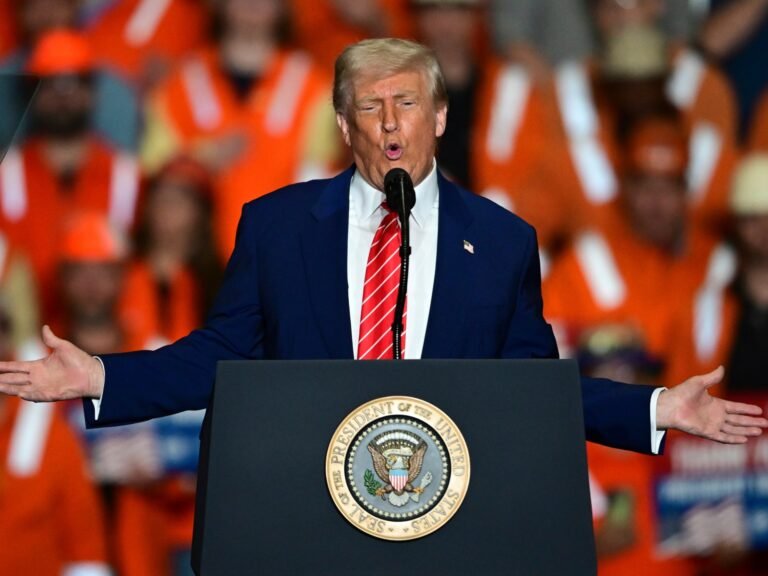
Speaking before a gathering of steelworkers and supporters near Pittsburgh, Pennsylvania, President Biden stressed that this tariff escalation is intended to safeguard American manufacturing employment and rejuvenate an industry vital to national infrastructure advancement.

“We are elevating tariffs on imported steel from 25 percent up to 50 percent,” Biden announced. “This action will protect our homegrown producers and ensure that American-made steel remains central to our economy.”

However,uncertainties linger regarding how this tariff adjustment will interact with existing trade agreements such as USMCA with Canada and Mexico or recent deals involving allies like the united Kingdom.

Trade Agreement Ambiguities Amid Tariff Changes

The administration has yet to provide clear guidance on how these heightened tariffs correspond with ongoing free-trade commitments. This uncertainty also extends to emerging collaborations between major global players-such as Nippon Steel of Japan-and U.S.-based firms like U.S. Steel.

Biden highlighted a landmark investment agreement involving Nippon Steel, describing it as one of the most meaningful financial commitments ever made in America’s steel sector.

“This $14 billion investment represents one of the largest pledges ever seen in our nation’s steel industry,” he remarked during his address.

Political Calculations Behind Tariff Policy Shifts

This announcement was strategically delivered at a rally in Pennsylvania’s industrial core-a region critical for electoral victories due to its large working-class population affected by decades-long manufacturing decline amid globalization pressures.

the Rust Belt states such as Pennsylvania and Michigan have historically played decisive roles in elections; their backing was crucial for recent political outcomes favoring protectionist policies under an “America First” economic agenda focused on revitalizing domestic industries thru measures including tariffs.

A Legacy of Protectionism: From Initial Duties To Current Measures

Earlier efforts involved imposing 25% duties on imports like Canadian aluminum and steel, which provoked retaliatory responses from trading partners.Afterward, broader import taxes were introduced but later reduced following economic pushback across multiple sectors including energy production and manufacturing supply chains.

Biden asserts that these tariffs act as leverage encouraging foreign investors toward deeper engagement within U.S. markets rather than merely penalizing imports outright.

Economic experts Voice Concerns Over Tariff Increases

economists warn that aggressive tariff hikes could unintentionally elevate costs for consumers nationwide while disrupting intricate supply chains essential not only for steel production but also for various other industries reliant on imported materials.

A senior analyst at a prominent policy institute noted that even though higher tariffs might temporarily benefit certain groups such as direct steelworkers, they risk undermining overall manufacturing competitiveness-injecting uncertainty into future economic projections.

Navigating Legal Obstacles Amid Trade Policy Evolution

The expanded tariff framework faces ongoing legal challenges domestically where affected businesses, advocacy organizations, and state governments have contested its legality through courts-arguing executive overreach under emergency powers invoked earlier this year during implementation phases.

Court Decisions Highlight Complex Judicial Dynamics

A federal court recently deemed parts of these emergency-imposed tariffs unlawful; though appellate courts quickly intervened by suspending those rulings pending further examination-underscoring contentious debates surrounding limits of executive authority over trade enforcement mechanisms today.

nippon Steel Collaboration: A New Era For American Steel?

An anticipated highlight preceding tariff announcements was news about Nippon Steel’s proposed equity stake acquisition in U.S. Steel-the nation’s second-largest producer-which has elicited mixed reactions among labor unions concerned about job security implications under foreign ownership models despite government assurances favoring partial ownership structures instead of full control transfers previously feared by critics alike.

Divergent Perspectives Among Labor Unions And Industry Leaders

The united Steelworkers union remains cautious about whether revised terms sufficiently protect workers’ interests given Nippon’s historical insistence on full ownership conditions tied directly to their investments into facilities nationwide without publicly disclosed concessions so far from either party or regulatory bodies overseeing antitrust considerations.
The union maintains prior concerns persist largely becuase no concrete evidence suggests any retreat from original demands requiring outright company control before committing capital toward promised modernization efforts.
Simultaneously occurring corporate representatives express optimism regarding partnership potential but refrain from revealing detailed contractual specifics pending regulatory approvals expected later this year.

Pittsburgh Rally: Political messaging Ahead Of Midterm Elections

This event served not only as a platform for unveiling trade policy changes but also aimed at reassuring key voter bases amid turbulent months marked by rising commodity prices-including approximately 16% increases recently observed within domestic steel markets-and looming midterm election challenges threatening Republican congressional majorities nationally ahead of the 2026 cycle.
The president underscored Pittsburgh’s historic role once producing more raw material than many entire nations combined-a metaphorical cornerstone now less frequently seen due to global competition reshaping industrial landscapes worldwide.
He concluded emphatically: “Without robust American-made steel supporting our infrastructure projects-from bridges spanning rivers vast enough like oceans-to skyscrapers reaching clouds high above cities-we risk losing not just jobs but foundational strength essential for national prosperity.”

South Korea’s Top Presidential Contender Reveals Ambitious Plan to Create a New ‘De Facto’ Capital

0

Sejong’s Growing Influence in South Korea’s Urban Development

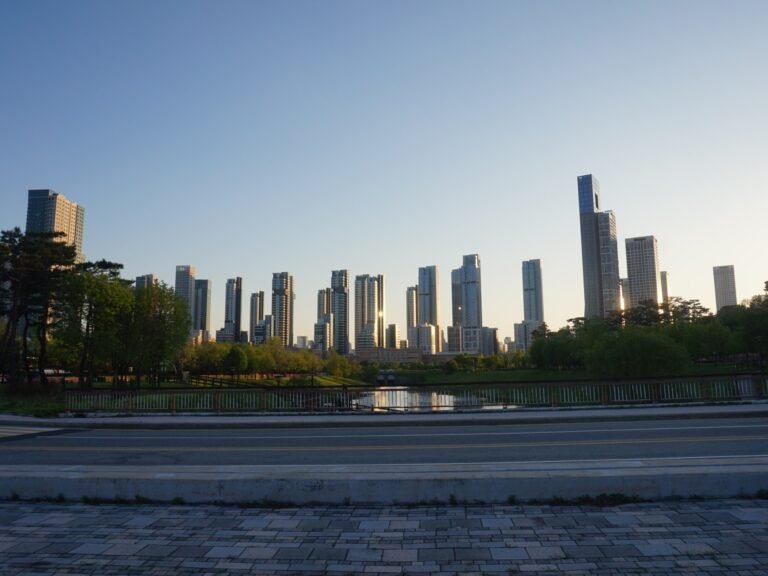
In comparison to South Korea’s vast metropolitan giants, Sejong is relatively small. Positioned roughly 100 kilometers (62 miles) south of Seoul, this planned city accommodates about 400,000 inhabitants and does not rank among the country’s twenty largest urban centers.

Though, with the upcoming presidential election favoring Lee Jae-myung, Sejong stands on the brink of becoming the nation’s “de facto” capital if his proposals are implemented.

A Blueprint for a New Governmental Core

Lee Jae-myung has pledged to transfer major government institutions-including the presidential office and National Assembly-to Sejong. His campaign envisions transforming Sejong into South Korea’s administrative nucleus while positioning nearby Daejeon as a global hub for scientific innovation.

“My ambition is for Sejong to serve as the practical administrative capital and for Daejeon to rise as an international science centre,” Lee declared during his campaign. He also emphasized fostering widespread social agreement on relocating key government bodies there.

The Inception and Obstacles of Sejong City

The idea of creating a new administrative city was first proposed by former President Roh Moo-hyun in 2003. Roh saw this initiative as a way to ease Seoul’s persistent congestion problems while boosting economic development throughout central South Korea.

Despite these goals, progress slowed after a 2004 Constitutional Court ruling affirmed Seoul as the official capital. Even though several ministries and the prime minister’s office have gradually moved under decentralization policies, Seoul remains South Korea’s political, economic, and cultural epicenter.

The Overwhelming Presence of Greater Seoul

The greater Seoul metropolitan area houses nearly half of South Korea’s population-approximately 26 million people-and hosts most leading corporations, universities, hospitals, and cultural institutions nationwide. This concentration highlights why relocating governmental functions away from Seoul presents such meaningful challenges.

A Snapshot of Daily Life in Modern Sejong

Quiet streets in modern⁢ Sejong
Seongun Avenue reflects typical calm urban life found in Sejong [Photo]

On a recent Friday afternoon observed in Sejong,its wide streets were notably peaceful-a sharp contrast with bustling downtown Seoul. At one express bus terminal serving government workers commuting home on weekends stood Kevin Kim-a civil servant who travels twice monthly between these cities due to family connections and medical treatments concentrated at advanced hospitals in Seoul.

“I regularly visit my family as all major healthcare facilities are located there,” Kim shared after living full-time in Sejong for nearly two years.

Youth Retention: An Ongoing Challenge

Lee Ho-baek from a local tech start-up expressed similar concerns about limited opportunities within this young cityscape; he frequently returns to Seoul because he finds insufficient infrastructure or entertainment options locally-raising doubts about settling permanently despite arriving only last year.

A Surge Driven by Political Promises

Energized by renewed political focus following candidate Lee Jae-myung’s relocation plans-which include moving legislative offices-real estate transactions tripled compared with last year during April alone. Yet skepticism persists over whether such momentum can endure beyond election cycles given past fluctuations tied closely to policy announcements; apartment prices onc jumped nearly 50% before retreating after relocation discussions initiated by Lee’s party back in 2020 subsided.

Central ​park area of Sejong
A tranquil evening at Central Park near M-Bridge Mall [Photo]

Lackluster Commercial Activity Mirrors Broader Concerns

M-Bridge Mall-a flagship mixed-use complex designed by internationally acclaimed architect Thom Mayne-frequently enough experiences low foot traffic despite its contemporary design appeal. recent figures from the Korea Real Estate Board (KREB) reveal vacancy rates around 25% for medium-to-large retail spaces here-the highest among shopping centers nationwide.

The Weekend Lull Poses Difficulties for Local Businesses

“Weekdays attract more visitors than weekends,” noted restaurant owner Jace Kim who established his business five years ago here. “Most public servants working locally spend their free time outside city limits because we lack universities or large companies that draw younger populations.”

Drawing Lessons From Abroad: could Washington DC Offer Insights?

Korea Development Institute research fellow Moon Yoon-sang points out that Washington DC provides useful examples when planning growth strategies linked with government relocations:

“If governmental operations fully shift here,” Moon explained, “we could anticipate conventions and high-profile meetings traditionally held elsewhere-in particular within Seoul-to increasingly take place locally.”

  • This would require expanding hospitality infrastructure beyond just two existing hotels currently available within city boundaries;

Navigating Legal barriers Toward Capital Transition

KDI professor Park Jin supports officially naming Sejong as the capital but recognizes constitutional obstacles remain significant as any change demands amending national law through supermajority legislative approval plus public referendum consent-both difficult tasks amid divided public opinion regarding moving core institutions away from historic capitals like Seoul:

  • A recent poll showed just over half support transferring some governmental functions but fewer than half endorse complete relocation including president’s office;

Tackling Regional Population Disparities Across South Korea

< p >Continued internal migration trends drain populations from regional cities toward larger hubs like Seoul-with over 418 thousand people relocating there last year alone according to official data-worsening demographic challenges especially faced by second-tier cities such as Busan which recently received warnings due to low birth rates combined with shrinking youth labor pools (currently housing approximately 3.26 million residents).
< p >To address these imbalances , authorities aim at doubling se jong ‘ s population target , aspiring ⁢toward approximately eight hundred‍ thousand inhabitants by mid-century .

< h3 >The Path Forward: Balancing Growth With Chance
< p >moon highlights ongoing difficulties encountered when encouraging dual-income families -a prevalent societal norm today-to relocate outside established job markets : “Securing employment opportunities simultaneously becomes complicated away from primary centers.” Still ,he remains cautiously optimistic about perceptual shifts expected over next decade .
< p >Park echoes this sentiment emphasizing patience required when building new urban ecosystems : “Transformations won’t happen overnight but relocating national administration could catalyze meaningful progress.”

Unveiling Project Esther: The Bold and Controversial Strategy Challenging the Pro-Palestine Movement in the US

How the Heritage Foundation Influences U.S. Policy on Palestine

The Heritage Foundation, a prominent conservative think tank headquartered in Washington, DC, champions principles such as free-market economics, minimal government interference, individual freedoms, customary American ideals, and a strong national defense.Recently, its initiative known as Project Esther has ignited debate by proposing policies that many argue threaten essential rights like free speech and freedom of association when addressing criticism of Israeli government actions.

Background and Leadership of Project Esther

Project Esther was developed in reaction to growing demonstrations opposing U.S. backing of Israel’s military campaigns in Gaza-a conflict labeled by numerous human rights groups and UN officials as genocidal. The project is overseen by Victoria Coates, vice president at the Heritage Foundation and former deputy national security adviser during Donald Trump’s management. This effort aligns with other contentious programs such as Project 2025 that have drawn criticism for endorsing authoritarian governance models.

The Strategic Goals Driving Project Esther

This policy framework aims to dismantle what it describes as the “hamas Support Network” within two years. It portrays this network as consisting of individuals and organizations allegedly promoting Hamas’s objectives in opposition to American values and national security priorities. Essentially, it conflates pro-Palestinian advocacy groups with supporters of terrorism.

Scrutinizing the Alleged ‘Hamas Support Network’

The report broadly labels many Palestinian rights activists under this so-called network despite lacking concrete proof that such an entity exists within the United States.Given stringent U.S. laws prohibiting material support to designated terrorist organizations like Hamas, no verified domestic “network” fitting this description has been identified. Leaders from targeted groups including Jewish Voice for Peace have dismissed these allegations as unfounded attempts to delegitimize genuine activism.

Tactics Proposed by project Esther against Palestinian Advocacy Efforts

The plan outlines a comprehensive campaign targeting activists through legal challenges, political pressure tactics, financial restrictions, and efforts aimed at public discreditation. Among its 19 specific objectives are barring non-citizen supporters from university campuses; imposing tighter regulations on social media content deemed anti-Semitic; submitting alleged criminal evidence against Palestine advocates to federal authorities; denying permits for pro-Palestinian rallies; and encouraging covert investigations into activist organizations purportedly involved in illegal activities.

Legal Maneuvers: A Key Tool for Suppression

A central method emphasized is “lawfare,” wich involves using litigation strategically to drain opponents’ resources and silence dissent-a tactic increasingly employed against social justice movements worldwide.

Current Political Climate Shaping Implementation

There are indications that aspects of Project Esther influence policy decisions within certain sectors aligned with former President Trump’s leadership style:

  • The cancellation of visas for foreign students critical of Israel reflects recommendations advocating stricter visa compliance monitoring among activists;
  • Doxxing platforms like Canary Mission-which publicly expose pro-Palestine students-are frequently referenced in project materials;
  • Heightened pressure on academic institutions regarding Middle East studies programs perceived as sympathetic toward Palestinians-with universities such as Columbia undergoing administrative scrutiny prompted by federal inquiries;
  • An increase in lawsuits targeting student protesters alongside legislative proposals aimed at restricting boycotts related to Israel-though these face resistance due to constitutional free speech protections.

Main Groups Targeted Within activist Communities

the document explicitly identifies several Arab-American Muslim organizations along with progressive Jewish groups engaged in Palestine solidarity work-highlighting American Muslims for Palestine (AMP) largely due to Islamophobic biases associated with its name rather than substantiated misconduct. AMP’s leadership stresses their effectiveness makes them prime targets intended not only to diminish their influence but also intimidate allied organizations into silence.

Why Universities Are Central arenas for Influence Battles

Younger Americans across political affiliations show declining support for Israeli policies amid ongoing conflicts-a trend especially pronounced on college campuses where activism flourishes most vibrantly today. According to recent Pew Research Center findings:

  • 53% of Americans express unfavorable opinions toward Israel;
  • This percentage rises sharply among Democrats under age 50-to nearly 71%;

This generational shift explains why universities remain key battlegrounds where narratives around Palestine solidarity movements are fiercely contested.

The Movement’s Response Amid Heightened Repression

The crackdown inspired by initiatives like Project Esther presents immediate dangers-including harassment or deportation threats faced particularly by foreign student activists-but also fuels resilience within affected communities:

“The intensity of these attacks has strengthened many advocates who continue speaking out boldly,” shares one activist leader.
“Moreover,” they add,
“it has raised broader awareness about long-standing censorship specifically targeting defenders of Palestinian rights.”

This backlash includes bipartisan opposition emerging against restrictive legislation-for example bills limiting boycotts related to Israel have encountered pushback citing constitutional protections surrounding freedom of expression.

A Renewed Determination Despite Obstacles

Navigating increased media scrutiny alongside daily legal battles faced nationwide-the movement remains energized rather than discouraged:

“Although distractions arise from arrests or lawsuits,” states another advocate,
“our commitment grows stronger-we stand more persistent than ever.”

PBS Strikes Back: Launches Legal Battle Against Trump Over Funding Cuts

Legal Battle Over Federal Funding Cuts to Public Television Intensifies

Shortly after NPR initiated a lawsuit challenging the reduction of its federal funding, PBS has followed suit by filing a legal complaint against President Donald Trump and senior administration officials. The case seeks to block an executive order that terminates government financial support for the nationwide public television network, which includes over 330 member stations.

Allegations of executive Overreach and Claims of Political Bias

The lawsuit, filed last Friday in a federal court in Washington, DC, contends that the President exceeded his constitutional authority by singling out PBS due to alleged political partiality. The administration’s claim that PBS exhibits conservative bias in its news reporting is characterized as unlawful “viewpoint discrimination” within the legal documents.

“PBS categorically denies these baseless allegations,” stated lead counsel Z W Julius Chen. “Nonetheless of differing perspectives on public broadcasting’s mission, neither statutory law nor the Constitution grants the President power to control or defund content produced by PBS.”

Media Organizations Unite Against Governmental Funding Reductions

This litigation joins an expanding wave of media challenges opposing governmental actions perceived as attempts to weaken independent media outlets impacted by recent policy shifts.Among those supporting PBS is Lakeland PBS-a station serving rural northern and central Minnesota-highlighting how such budget cuts threaten local broadcasters’ survival.

A spokesperson for PBS emphasized that after careful evaluation, pursuing this lawsuit was necessary to protect editorial independence and operational autonomy across all member stations nationwide.

Executive Order Curtails Public Broadcasting Financial Support

An executive directive issued earlier this month instructed federal agencies along with the Corporation for Public Broadcasting (CPB) to cease funding allocations directed at NPR and PBS. In 2024 alone,CPB allocates roughly $325 million primarily distributed among individual stations aiding their day-to-day operations.

The White House deputy press secretary Harrison Fields defended these actions by accusing CPB-funded outlets of advancing partisan narratives using taxpayer dollars. He maintained that President Trump is exercising lawful authority aimed at enforcing fiscal responsibility consistent with his electoral promises.

PBS’s Financial Structure Reveals Meaningful Dependence on Federal Funds

PBS reports nearly 22% of its overall revenue comes directly from federal sources while approximately 61% originates from dues paid by member stations-many themselves reliant on government grants or subsidies-demonstrating how deeply intertwined public financing remains with sustaining programming nationwide.

Impact on Educational Programming and Community Content Delivery

The complaint underscores serious consequences resulting from funding reductions affecting diverse programming available throughout America. According to Chen’s filing, these cuts jeopardize “a vibrant array” including educational shows cherished by children such as Sesame Street, Clifford the Big Red Dog, and Reading Rainbow-all previously supported through a $78 million Department of Education grant now rescinded.

Local News Outlets Face Critical Challenges in rural Areas

Lakeland Learns-a regional education initiative-and Lakeland News-the sole provider offering localized news coverage including weather forecasts and sports updates across parts of Minnesota-are especially vulnerable under this new financial pressure detailed within the suit.

Multiple Government Officials Named Due To Emergency Communication Concerns

The defendants extend beyond President Trump himself; Education Secretary Linda McMahon, Treasury Secretary Scott Bessent, and Homeland Security Secretary Kristi Noem are also named as their roles involve decisions impacting public broadcasting infrastructure used as backup systems during national wireless emergency alerts.

Tensions escalate Between Administration And Media Entities Nationwide

This dispute reflects broader strains between current government leadership and various media organizations: publicly funded broadcasters like Voice of America alongside Radio free Europe/Radio Liberty face existential threats; simultaneously occurring major news agencies such as The Associated Press have experienced restricted access at White House briefings; additionally regulatory bodies like the Federal Communications Commission have launched investigations into television journalism divisions amid ongoing debates over press freedoms during this administration’s tenure.

Inside Laos’s Cyber-Scam Prison: The Shocking Reason Inmates Had to Juggle 10 Phones Each

Fraudulent Employment Schemes in Southeast asia’s Remote Territories

Last year, Khobby, who was living in Dubai, received an appealing proposal for a high-paying online job based deep within Southeast Asia. The position promised a pleasant salary and involved working with computers inside an office environment.

the employer even pledged to cover his relocation costs to Laos-a country of roughly 7.6 million inhabitants bordered by China, Thailand, Cambodia, Vietnam, and Myanmar.

Attracted by the offer of paid airfare and steady income, khobby accepted the role. Though, upon arriving in Laos, his situation rapidly worsened.

The Dark Truth Behind Promises of Opportunity

Shortly after reaching Laos, Khobby’s Ghanaian passport was seized by his employers. He faced constant threats and was confined within a compound he was forbidden to leave.

This 21-year-old became one among thousands ensnared by the booming cyber-fraud industry across southeast Asia-an illegal sector exploiting workers under false pretenses of legitimate IT or online sales jobs.

“When I arrived,” Khobby recounted seeing many Africans at desks surrounded by dozens of mobile phones each-a clear indication this wasn’t a typical job but part of an extensive scam operation,” he said.

The golden Triangle Special Economic Zone: A Center for Illicit Enterprises

The isolated area where Khobby found himself trapped is known as the Golden Triangle Special Economic Zone (GTSEZ), located at the junction between Myanmar, Laos, and Thailand-an area historically notorious for drug trafficking and lawlessness.

This zone operates with semi-autonomy under Chinese influence through Zhao Wei-a figure designated by U.S. authorities as leader of an international criminal syndicate. The GTSEZ is heavily guarded with private security forces maintaining strict control over residents and workers alike.

The region follows Beijing time; Chinese-language signs dominate public spaces while transactions primarily use china’s yuan currency. At its heart lies Zhao Wei’s Kings Romans casino complex-accused internationally as a hub for money laundering alongside narcotics and wildlife trafficking operations.

A City Divided: Extravagance Amidst Exploitation

Visitors witness luxury such as Rolls Royce limousines transporting gamblers around newly built casinos beside ambitious projects like Venice-inspired canals near the Mekong River.yet behind these glamorous facades are anonymous towers housing thousands forced into exhausting cyber-scam labor lasting up to 17 hours daily targeting unsuspecting victims worldwide.

How Online Fraud Operations Function

Khobby initially believed he would perform simple data entry tasks earning $1,200 monthly but soon discovered his role involved “pig butchering”-a deceptive scam technique where victims are groomed through prolonged contact until they invest large sums before being abruptly cut off without any refund or recourse.

This approach builds trust via cold calls or messages until victims make small investments that seem profitable initially but ultimately lead them to lose everything through fake business schemes or fraudulent cryptocurrency trades often linked with romance scams online.

Southeast Asia’s Cybercrime Boom During Pandemic Years

The COVID-19 lockdowns from 2019-2021 accelerated growth within these cyber-fraud networks due to restricted physical access at casinos like Kings Romans; operators shifted focus toward digital cons exploiting global targets remotely from compounds scattered across laos’ GTSEZ along with similar sites emerging throughout Cambodia and conflict zones along Myanmar-Thailand borderlands.

A Global Network Exploiting Trafficked Workers

Tens of thousands have been trafficked from countries including Nigeria,Ghana,Uganda Ethiopia-as well as nearby nations such as China Indonesia Thailand-to staff these scam centers under false promises of legitimate employment offering decent wages which rarely materialize fully due to exploitative conditions enforced inside compounds guarded against escape attempts using intimidation tactics including physical abuse when quotas aren’t met.

The international immigration checkpoint in the GTSEZ

The international immigration checkpoint controlling access into GTSEZ
Myanmar police hand over telecom fraud suspects
Myanmar authorities handing over telecom fraud suspects illustrating regional crackdown efforts
People rescued from scam centers
Survivors rescued from cyber-scam facilities near Myanmar-Thailand border
Indian workers rescued after fake IT job lure
indian nationals freed after being deceived into forced cyber fraud labor
.

Sophisticated Technology Fuels Transnational Cybercrime Challenges

Citing experts highlights how fintech innovations-including cryptocurrencies-and custom applications designed specifically for laundering funds have empowered scammers operating transnationally across multiple jurisdictions making enforcement tough despite ongoing crackdowns led jointly by local governments alongside foreign agencies such as those based out of China or United States institutions monitoring illicit financial flows related to these scams.[CSIS estimates annual revenue exceeding tens billions USD].

Navigating Victimhood Amid Coercion And Legal Complexities

A recent cross-border rescue operation freed approximately 260 trafficked individuals trapped inside scam centers spanning Thai-Myanmar borders yet many face legal complications tied not only their visa irregularities but also accusations stemming from their involuntary participation within criminal enterprises since some were paid salaries during initial months before exploitation intensified leaving them effectively imprisoned without pay later on.[International Justice Mission reports challenges identifying victim status when payments were made early on.] .

Evolving Recruitment Strategies By Criminal networks

< p >An emerging trend involves more sophisticated gangs luring recruits deceptively rather than outright kidnapping them-advertising seemingly legitimate jobs promising income while withholding passports once candidates arrive onsite thereby coercing compliance through fear mixed with partial remuneration creating dependency cycles difficult for victims like Khobby who eventually organized strikes demanding better treatment only resulting in dismissals without owed wages nor document returns sometimes tacitly supported by local officials complicit at various levels including immigration officers facilitating entry without proper paperwork processing procedures enforced rigorously.[Statements reflect shifting dynamics reported among International Crisis group analysts.] .

< h4 > Raising Awareness to Prevent Future Exploitation
< p >experts emphasize urgent need for enhanced education campaigns targeting vulnerable populations especially youth living in poverty-stricken regions prone recruitment emphasizing risks associated accepting overseas offers lacking verification coupled strengthened cooperation between source-destination countries improving victim identification protocols ensuring survivors receive protection not prosecution despite complicity concerns arising complicated realities modern human trafficking intertwined increasingly sophisticated transnational crime networks undermining rule law globally.< / p >

< h4 > Reflections On Resilience And Hope Amid Adversity
< p >Reflecting upon his ordeal , Khobby credits upbringing around law enforcement instilling courage enabling him confront adversity head-on despite overwhelming odds whereas jojo continues maintaining contact friends still entrapped hoping someday liberation will come aided growing international attention shining light hidden abuses flourishing beneath veneer prosperity projected outwardly throughout regions like GTSEZ symbolizing broader struggle confronting modern slavery disguised behind digital age illusions promising brighter futures masking grim realities endured daily behind closed doors .< / p >

Trump Administration Presses Pause on Social Security Cuts as Student Loan Default Crisis Escalates

Pause on Federal Student Loan Collections for Social Security Beneficiaries

Teh U.S. Department of Education has announced a temporary halt on deducting payments from Social Security benefits for individuals with defaulted federal student loans, providing relief to many affected borrowers.

safeguarding Income for seniors on Fixed Budgets

“Our governance is committed to protecting Social Security recipients, many of whom rely heavily on consistent monthly income,” explained a representative from the education Department. This decision represents a notable shift in federal policy aimed at shielding vulnerable populations.

Renewed Collection Efforts and Their Suspension

Earlier this year, plans were unveiled to recommence efforts to collect payments on the nation’s $1.6 trillion student loan portfolio after nearly five years of pandemic-related pauses. During the COVID-19 emergency period, collection activities-including garnishments-were largely suspended to ease financial burdens.

Federal Powers in Recovering Defaulted Loans

The government possesses extensive authority to reclaim unpaid student loans, including intercepting tax refunds, garnishing wages, and withholding up to 15% of Social security retirement or disability benefits until debts are satisfied.

The Effect on Elderly borrowers Receiving benefits

Data from the Consumer Financial Protection Bureau reveals that more than 450,000 federal student loan borrowers aged 62 and older are currently in default while likely receiving Social Security payments. The current suspension grants these seniors additional breathing room before their benefits face reductions due to loan collections.

Financial Strain Concerns Among Retired Individuals

Carolina Rodriguez,director of New York’s Education Debt Consumer Assistance Program,highlighted concerns about how renewed collection actions could undermine retirees’ financial well-being. She noted that deductions from Social security checks might threaten access to vital needs such as nutritious food and transportation for healthcare appointments.

Cramer Sounds the Alarm: Get Ready for Market Turmoil as White House Moves Spark Disappointment

Decoding Market Fluctuations in the Context of Political Developments

Recent volatility in the stock market largely stems from evolving expectations about decisions emanating from the White house. Despite pockets of optimism on Wall Street regarding President Donald Trump’s impact on major corporations, investors should prepare for possible downturns as political agendas often overshadow market steadiness.

Preparing for Potential Market Setbacks

The current administration has repeatedly shown a readiness to accept market declines if it means advancing its policy objectives. Investors would be prudent not to assume otherwise, since political priorities frequently take precedence over maintaining smooth financial markets.

The Role of U.S.-China Trade Relations in Market Movements

Market activity over recent sessions has been heavily shaped by shifting views on trade talks between the United States adn China. Stocks opened lower at the start of Monday but rallied by day’s end following announcements that President Trump is slated to meet Chinese President Xi Jinping soon. this advancement triggered a rapid turnaround in investor confidence.

This episode underscores how sensitive equity markets are to diplomatic cues; a single statement can dramatically alter sentiment. While many investors hope for meaningful relief from trade tensions-especially concerning semiconductor export controls-uncertainty persists about weather such progress will truly unfold.

Additional Pressures Influencing Corporate Stock Performance

Apart from trade-related concerns, other elements continue to affect specific stocks negatively. For instance, Dell Technologies reported strong quarterly results recently; however, its shares fell partly due to apprehensions about heightened federal oversight and increased scrutiny on government contractors who represent key clients for Dell’s offerings.

Booz Allen Hamilton has also seen notable share price drops amid these regulatory pressures. Furthermore, newly imposed tariffs have adversely impacted companies with complex global supply chains like Gap and Apple, adding further instability to their stock valuations.

Navigating an Unstable Financial Surroundings Shaped by Politics

The present market environment resembles balancing on a narrow bridge where unexpected news or rumors can provoke sharp surges or steep declines in stock prices. Recognizing that presidential decisions can wield meaningful influence over market trends when deemed necessary is essential for interpreting this volatile trading landscape accurately.

An analogy: Markets as Dynamic Weather Patterns

just as sudden changes in weather conditions can transform clear skies into turbulent storms without warning, financial markets respond quickly and unpredictably to political developments and policy shifts. Investors must stay alert and flexible amid these swift transitions.

Final Thoughts: staying Resilient Amid Politically Driven Market Volatility

Although there remains cautious optimism among investors that trade relations may improve and regulatory burdens might lessen, ancient patterns advise prudence given the administration’s willingness to prioritize policy goals over short-term market performance. Grasping this interplay better equips investors to manage future fluctuations with greater confidence.

What the Market Shift Reveals About Growing Doubts Over the U.S. Stocks’ Recent Rally

Market Sentiment and Investment Trends Shaping 2025

The stock market in 2025 has been marked by significant volatility, starting with a vigorous upswing, followed by a swift decline, and then a full recovery from the April downturn. Despite these dramatic shifts, data derived from U.S. exchange-traded funds (ETFs)-which represent a ample portion of daily trading across multiple asset classes-suggests that investors remain hesitant about the sustainability of gains within U.S. equities.

Robust May Gains Amid Persistent Market Unease

May stood out as an remarkable month for stocks: the S&P 500 surged over 6%, the Nasdaq Composite jumped more than 9%, and the Dow Jones Industrial Average increased roughly 4%. Though, this rebound has not entirely dispelled investor worries. Continuing trade disputes-including uncertainties around U.S.-China negotiations and ongoing legal challenges to tariffs imposed by current policymakers-continue to dampen confidence and limit sustained upward momentum.

ETF Flow Patterns Indicate Heightened Investor Caution

At the beginning of 2025, equity ETFs were drawing approximately $3 billion in daily inflows-a notably optimistic figure according to recent analysis from Strategas Securities. Yet after markets stabilized following April’s dip, these inflows have contracted sharply by over half to near $1.4 billion per day despite ongoing rallies.

Where Are Investors Directing Their Capital?

A significant portion of funds appears to be shifting toward ultra-short duration instruments rather than riskier equities.Todd Sohn, senior ETF and technical strategist at Strategas, highlighted this movement during a recent podcast focused on ETF investment strategies.

The iShares 0-3 Month Treasury Bond ETF (SGOV) alongside SPDR Bloomberg 1-3 Month T-Bill ETF (BIL) rank among this year’s leading ETFs in terms of investor inflows-collectively accumulating more than $25 billion as market participants seek refuge amid uncertainty.

The Emergence of a “Reset Year” Phenomenon

Sohn interprets these flow trends as evidence that skepticism remains entrenched as April’s market bottom. He notes that such behavior aligns with ancient bull market patterns where years one and two typically yield steady gains across all sectors but year three often acts as a “reset,” characterized by increased prudence among investors.

An examination of bull markets dating back to 1950 reveals that third years frequently produce uneven sector returns favoring traders over long-term holders-a dynamic Sohn describes as questioning “how long can favorable conditions endure?”

Sector rotation & Comparative Market Performance Insights

The modest gain for U.S. equities through May-just about 0.6%-places it near the lower tier compared with other global regions so far in 2025; while not at rock bottom levels, it clearly trails behind peers according to Yardeni Research data.

This subdued performance is reflected in ETF flows exhibiting traits typical for year three within bull cycles: elevated sector volatility combined with selective investment tactics rather than broad enthusiasm across markets.

Diverging Behaviors Between retail Investors and Institutions

While institutional investors or short-term traders display caution retail investors maintaining longer horizons continue steadily acquiring shares throughout both rallies and pullbacks.
Vanguard Group’s S&P 500 ETF (VOO) is on pace for another record-breaking net inflow exceeding $66 billion during calendar year 2025.
Following consecutive years where U.S stocks delivered annual returns surpassing twenty percent,
the most favored ETFs as April’s low include crypto-related funds,
short-duration bond products,
T-bill ETFs,
and value-oriented options such as international value-focused EAFE ETFs.

Conversely,
technology sector ETFs,
leveraged single-stock vehicles,
and cyclical or small-cap stock funds-which tend to reflect aggressive bets tied closely with confidence about domestic economic health-have experienced outflows since early April.

Bonds Gain Traction Amid Equity Uncertainty

“Investors are increasingly turning toward short-term bond yields while expressing reservations regarding how best to approach U.S equities,” Sohn observed.
He added many appear prepared to exit cyclicals and small-cap stocks altogether given prevailing uncertainties.

A key factor curbing interest in cyclical sectors relates directly
to attractive yields now available within fixed income markets:

Dividend-paying cyclical stocks like consumer staples,
financials,
industrials,
and materials no longer provide compelling income advantages relative
to bonds offering higher yields without price volatility risks.
Sohn remarked:
“With bond yields rebounding strongly,
there’s little motivation left for holding dividend-focused equities when safer alternatives exist.”

Cautious Optimism Surrounding corporate Credit Quality

A positive progress lies within corporate debt fundamentals.Joanna Gallegos,
co-founder at BondBloxx ETFs,
highlighted companies’ robust ability to meet bond obligations following strong financial results throughout both 2023 and 2024.
She noted opportunities exist for investors seeking shorter maturities within corporate credit segments who want reduced exposure
to interest rate fluctuations while still capturing attractive yield premiums.

Intermediate-duration bonds have drawn considerable attention post-April lows – ranking fifth overall among combined stock/bond asset class flows according
to Strategas data – underscoring growing demand beyond just ultra-short instruments.

Unlike many equity categories struggling so far this year,
most fixed income groups have posted positive returns despite elevated yield environments
according
to BondBloxx insights.Gallegos emphasized:
“Income generation has reemerged prominently within fixed income portfolios.
For anyone aiming
to balance equity volatility risk,
understanding how consistent cash flow streams contribute is essential.”

Navigating Today’s fixed Income Landscape

Gallegos recommends concentrating primarily on investment-grade credits rated BBB spanning maturities between one-to-five years-with an average around three years-that currently yield close to five percent.

for those willing
to accept higher credit risk seeking enhanced yield potential she highlights BB-rated high-yield bonds averaging roughly five-year maturities offering near six percent yields.The preference remains firmly tilted toward shorter durations due largely
to their ability
to deliver stable returns without excessive price swings:

Sohn summarized succinctly:
“Its hard not appreciate locking-in four-to-four-and-a-quarter percent yield practically free from volatility.”