Escalating Oil Prices Amid Intensified Middle East Conflicts
Critical Energy Routes and Global supply Security
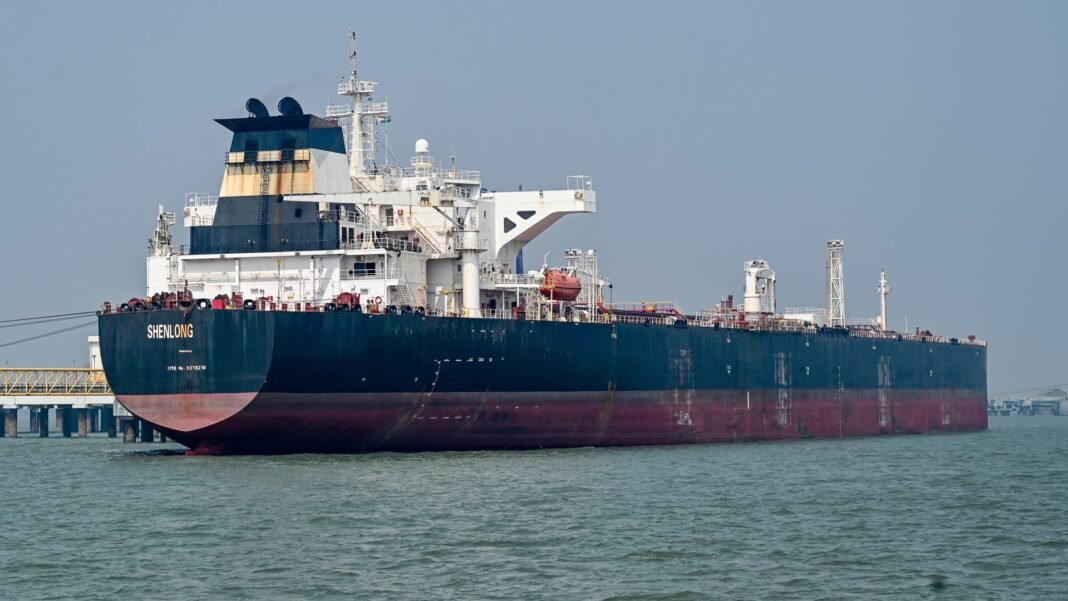
The Liberia-registered crude oil tanker Shenlong Suezmax recently docked at Mumbai Port after successfully traversing the strategically crucial Strait of Hormuz, a narrow maritime corridor essential for global energy transport. This passage took place despite rising tensions in the Middle East, highlighting persistent vulnerabilities in international oil distribution networks.
Geopolitical strains Trigger Market Volatility
Oil prices surged sharply following warnings from Israeli Prime Minister Benjamin Netanyahu that conflicts with Iran remain unresolved, raising fears of potential interruptions to energy exports from the region. In response, U.S. West Texas Intermediate (WTI) futures jumped over 3%, reaching $95.42 per barrel for June delivery, while Brent crude surpassed $104 per barrel on July contracts.
Diplomatic Deadlock Fuels Price Fluctuations
The stalemate deepened as U.S. officials rejected Iran’s recent proposal aimed at easing tensions between Washington and Tel Aviv. This dismissal underscored ongoing mistrust and complicated prospects for diplomatic progress.
Nuclear Program Concerns Heighten Regional Instability
Netanyahu stressed that significant challenges persist regarding Iran’s nuclear ambitions, including its stockpile of enriched uranium and active enrichment sites that must be dismantled to maintain regional peace. He also highlighted Tehran’s continued backing of proxy militias and efforts to advance ballistic missile technology as enduring threats to stability.
“You go in, and you take it out,” Netanyahu declared when questioned about removing nuclear materials from Iranian facilities.
Citi Analysts Predict Rising Oil Price Pressures
Citi strategists warn that without a swift agreement between Iran and the United States, upward pressure on oil prices is highly likely to intensify further. Although current market volatility has been somewhat cushioned by high global inventory levels-including strategic petroleum reserve releases-and slower demand growth in emerging markets, these factors may only offer temporary relief amid sustained geopolitical uncertainty.
- Citi anticipates a possible reopening of the Strait of Hormuz by late May but cautions that delays or restricted access could prolong supply disruptions significantly.
- The conditions under which Tehran might consent to reopen this vital shipping lane remain highly unpredictable.
- This unpredictability continues to skew risk assessments toward elevated crude price trajectories throughout 2026.
Global energy Markets under Pressure From Regional Tensions
This scenario exemplifies how geopolitical hotspots can swiftly impact commodity markets worldwide-similar to how the 2019 drone strikes on Saudi Arabian oil infrastructure triggered immediate price spikes due to supply disruption fears. With nearly one-fifth of global petroleum shipments passing daily through the Strait of Hormuz, instability ther sends shockwaves through international energy security frameworks.
Preparing for an Uncertain Energy Landscape Ahead
As diplomatic breakthroughs remain elusive amid ongoing hostilities, governments and multinational corporations alike are vigilantly tracking developments affecting crude flows through critical transit points such as Hormuz.The evolving situation highlights an urgent need for complete contingency strategies within global energy sectors facing volatile political environments shaping market fundamentals today.